Crime & Christie: Building on Their Bones

Now that Louisa Lindloff’s lawyer, George Remus, dealt with the arsenic hued elephant in the (court)room, it was time to address a far more problematic aspect of the case — Louisa’s pinpoint prophesies of death. Obviously, correctly predicting the exact expiration date for (at least) seven separate people is a tough mountain for any defense to climb. Yet, this peak wasn’t insurmountable, thanks to the mercurial nature of Chicago juries and the well-established Murderess Acquittal Formula.

However, the climb did prove far more treacherous than first anticipated after Judge Thomas G. Windes allowed Assistant State’s Attorneys Smith & Lowe to introduce the deaths of Julius Graunke, John Otto Lindloff, William Lindloff, Frieda Graunke, and Alma Graunke as well as, the corresponding life insurance payouts into evidence. These deaths, when taken in conjunction with Arthur’s (the only family member Louisa was actually on trial for murdering) and the ledger found secreted away beneath a floorboard in Louisa’s wardrobe (which demonstrated the correlation between Louisa’s dipping bank balance and the alleged murders) made the pattern crystal clear. 

Though this judicial decision was problematic, it didn’t seem to alter the razzle-dazzle strategy Louisa and her legal team set in motion in the run-up to her trial in November 1912.

Now, you need to understand that by the time Louisa’s alleged crimes came to light, Spiritualism was simultaneously flourishing and floundering in the United States. Spurred on by grieving families who lost fathers, husbands, brothers, and other relatives in brutal battles during the Civil War (forty-seven years before), this idea that the spirit remained intact after death and could be contacted brought genuine solace to those in mourning. (Spiritualism saw a similar uptick in popularity after WWI as well. Hence its inclusion in so many golden age mystery stories, including a Miss Marple short story, Motive v. Opportunity.)

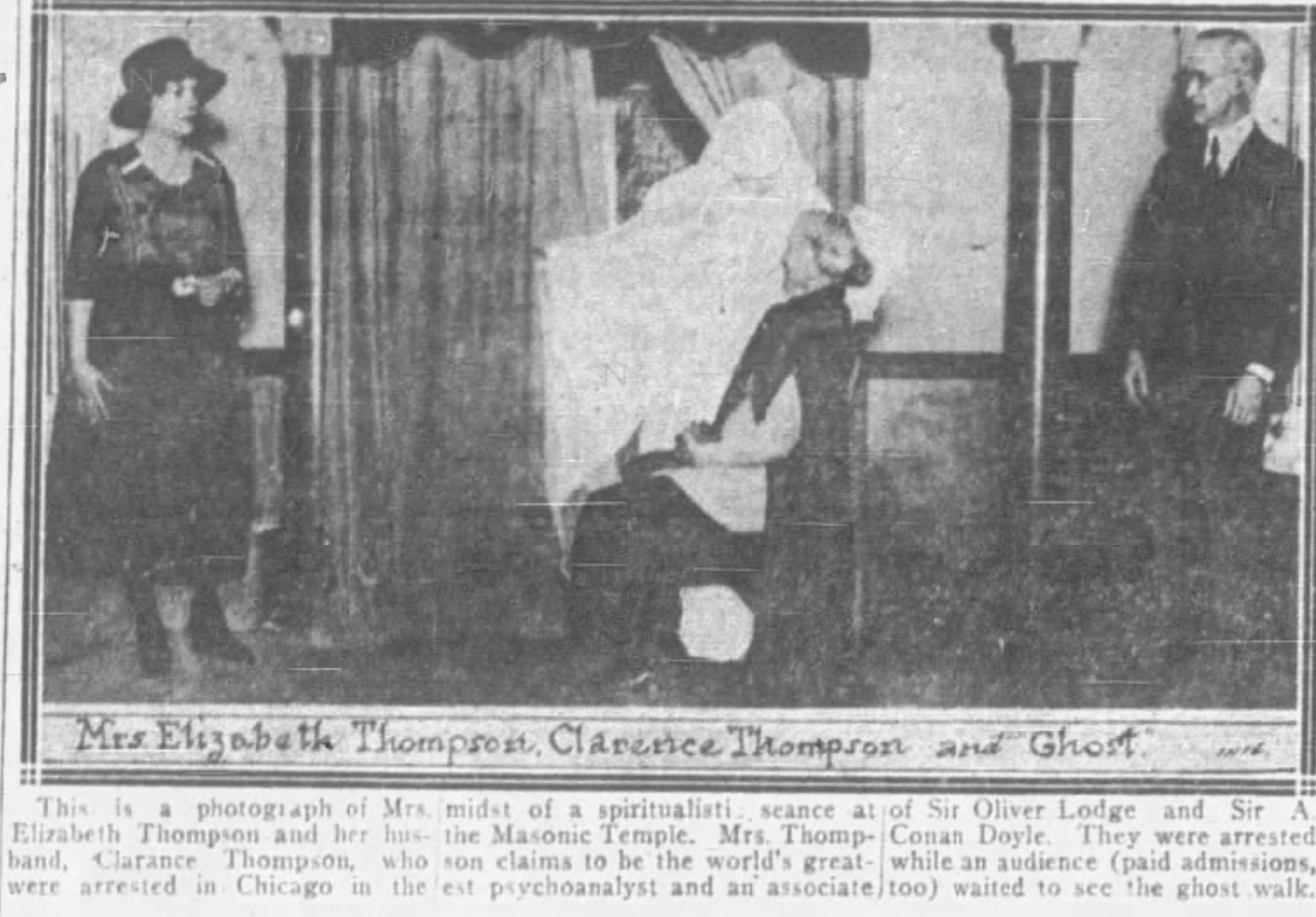
Unfortunately, it didn’t take long for those with an eye for the main chance to start taking advantage. Now, to be fair, some spiritualists sincerely wanted to help the bereaved and those searching for answers. However, a far greater number chose to twist Spiritualism for their own gain.

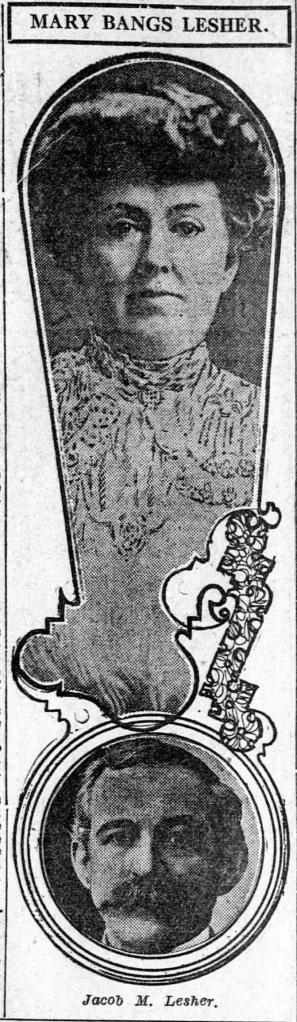
Like Chicago’s own Bangs Sisters.

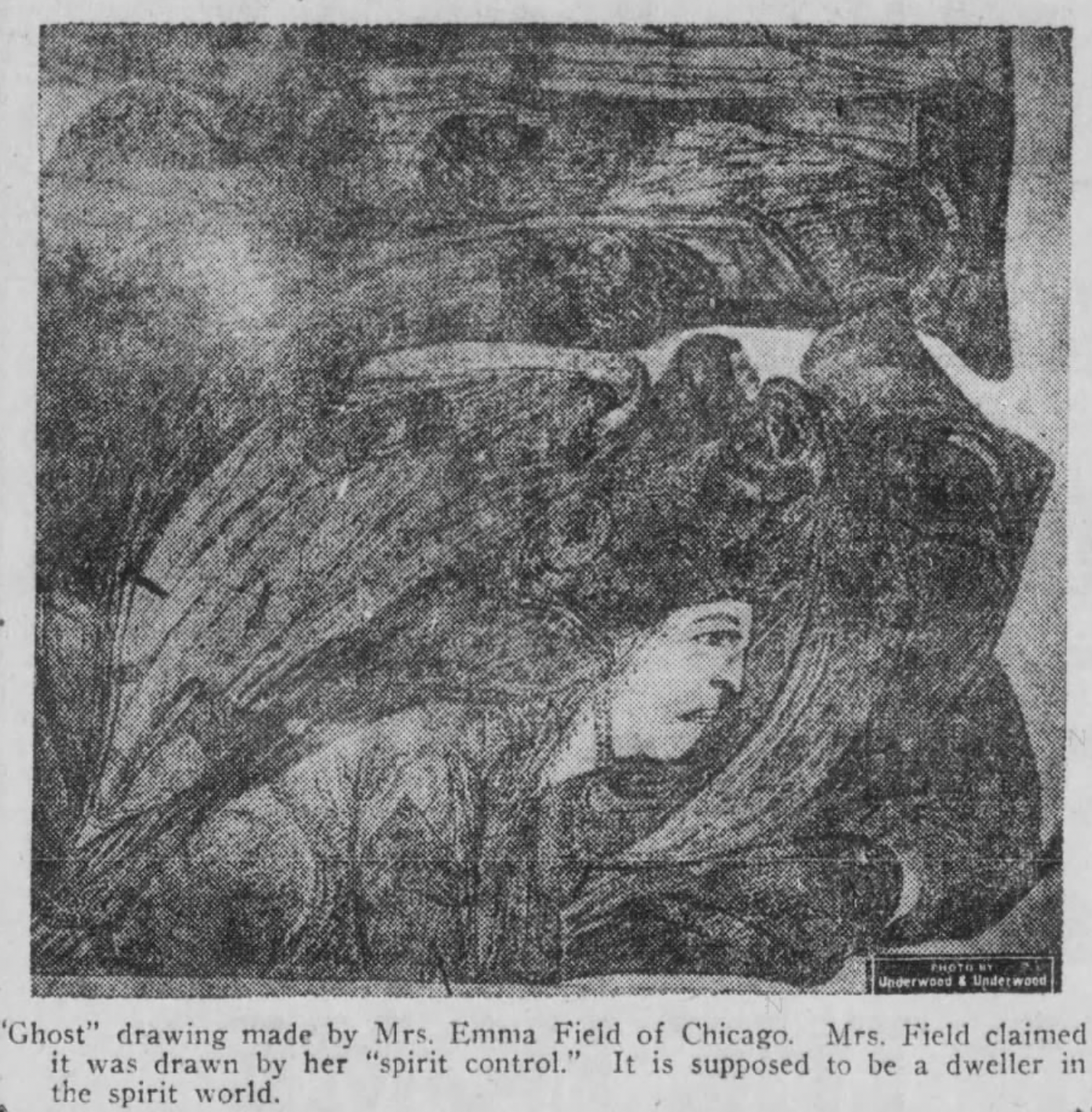
Operating out of their parlor, May and Lizzie conducted seances during which the spirits sometimes “created” either writings or portraits for their still-living loved ones — for a hefty fee. 
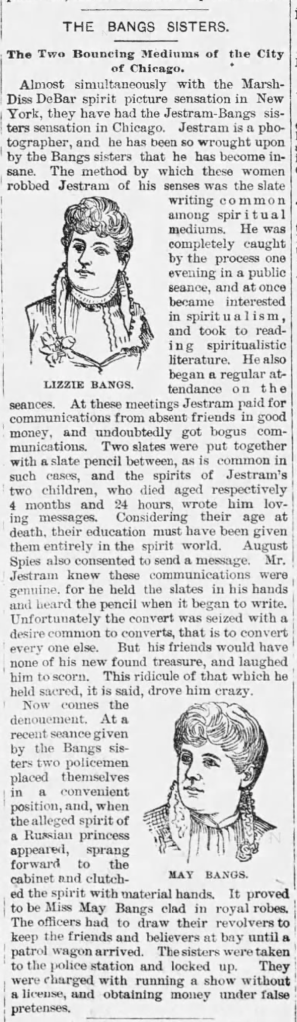
However, by the time Louisa’s trial came around in 1912, a massive number of mediums, fortunetellers, and their ilk had been publicly unmasked as frauds. (Including the Bangs Sisters, who had their deceit exposed once in 1901, again in 1909, and finally sometime before 1913.)

Yet, despite the growing body of evidence compiled by scientists, magicians, and authorities demonstrating the literal tricks of the trade — people still wanted to believe. 
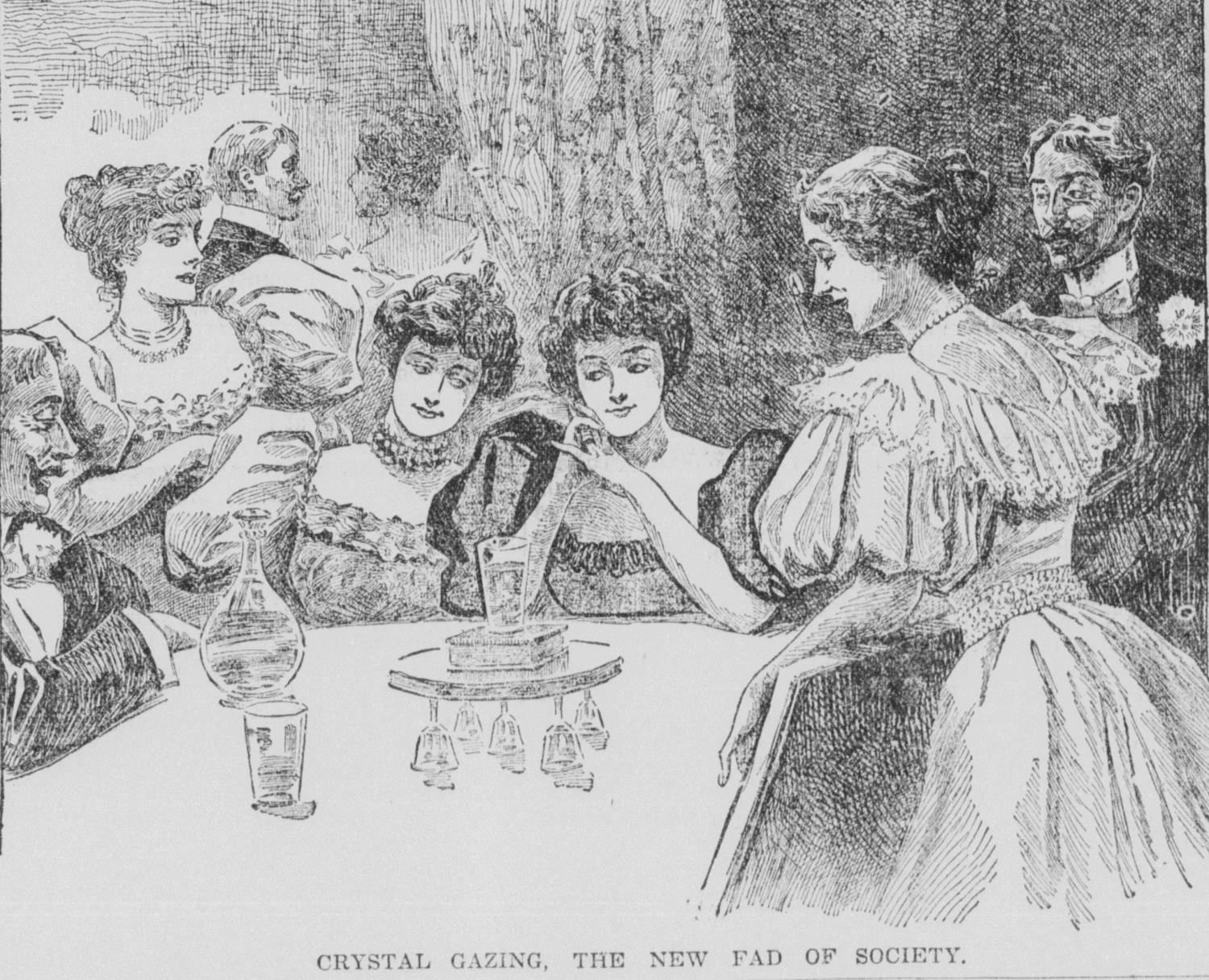
Whether Louisa counted herself as a true believer or amongst the double dealers hardly matters. 

What does signify is the fact that within short order upon arriving at Cook County’s Murderess Row, Louisa leaned heavily into her advertised occupation of spiritualist medium. To this end, Louisa installed her favorite crystal ball within her jail cell. When reporters asked about the clear sphere, Louisa proudly boasted she’d paid $500 for the instrument, which contained a single tear shed by Cleopatra over Marc Anthony’s resting place within its heart. When used with her own second sight, this extraordinarily powerful reagent would swell and stretch beneath her gaze until images from the future filled her vision and/or she contacted someone across the River Styx. 

Unsurprisingly, Louisa used the crystalline orb to contact the son she was accused of murdering: “She says that she has communicated thus with Arthur, and that he tells her she will be exonerated, but that she is unable to get in touch with her late husband Wm. Lindloff. However, she is assured that Arthur will look him up.” This prediction, made just eleven days after Arthur’s death, was one of the first in a lengthy string of prophesies Louisa would deliver to anyone and everyone in earshot. 

And many were listening.

Amongst Louisa’s most vocal supporters were her fellow mediums, necromancers, and the like. During Louisa’s many and varied court appearances, these spiritualists routinely relayed their visions and spirit guide messages to reporters — all of which confirmed Louisa’s gifts, innocence, and imminent acquittal. Moreover, they and sympathetic members of the public contributed to Louisa’s defense fund, raising well over $1,800.

Although the state’s tests and investigation of Louisa’s crystal ball revealed it to be nothing more than a fifty-cent orb of glass, this information did not (seemingly) affect Louisa’s clients’ faith. Although ASA Smith & Lowe compelled a few to corroborate that Louisa had predicted the exact dates of several familial deaths (which Louisa later denied doing). They also testified to numerous predictions Louisa made that came about, which she couldn’t possibly have influenced the outcome of. (Louisa also made similar death day prophecies to Dr. Warner for Alma and Arthur’s death and predicted Arthur’s death at Alma’s funeral to her favorite Undertaker.)

(BTW: The loss of access to said sphere for police testing did not stem the tide of Louisa’s predictions. Instead, she would perform long, complicated divination rituals before an altar constructed from a framed photograph of Arthur and gifts he’d given her to achieve the same results.) 

To the jaded eye, this spiritualist angle appears to be nothing but a bunch of balderdash meant to feed the press and distract the public from the correlation between death and benefits. If it also happened to plant the idea Louisa was far too silly to commit such ruthless acts, so much the better. 
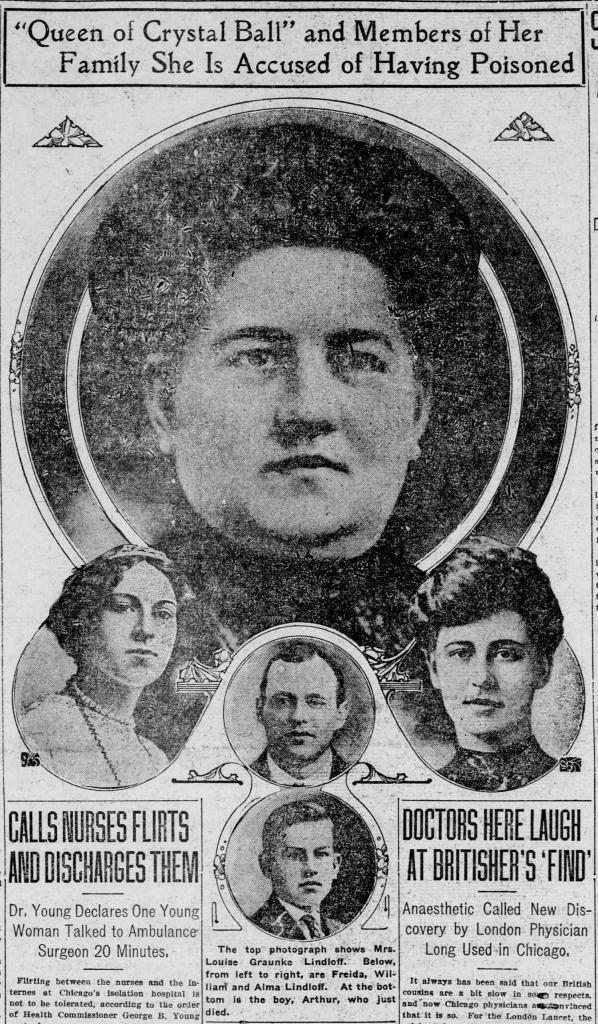
Next, George Remus attempted to fashion Louisa into a sympathetic figure caught in a web of circumstances far beyond her control. 

To this end, and to the complete surprise of everyone, Louisa included a hitherto unmentioned death while testifying in her own defense. Fourteen years before Julius’s death in 1905, Louisa and Julius’s infant son, Erick Graunke, died unexpectedly in 1891. In the article I read, there wasn’t a clear reason why Louisa brought Erick and his death up….Other than trying to garner sympathy from the jury? And/or hoping to get remains tested for arsenic, knowing none would be found, thereby breaking the pattern? I know it sounds unkind to intimate Louisa used her baby’s death for her own ends, but up until this point, he’d not come up once. So why now? It just seems…..well…..slightly shady that she would bring up his death at this point in time when no one in either Wisconsin or Illinois had once questioned it. 

(And this wasn’t the only time Louisa might’ve used an infant for her own ends. According to Captain Baer and Milwaukee prosecutors, there was a fair chance Louisa experimented with arsenic or other substances on a five-month-old infant she helped care for, leading to their death in 1907.)

Next, during her nearly two hours on the stand, Louisa elaborated on several tidbits she had shared with the press earlier in her incarceration. First, she painted her first husband, Julius Graunke, as a serial adulterer. Who passed a STD to her, and she unsuspectingly gave her children and second husband. Moreover, after mustering the courage to leave him, Julius tricked her into a reconciliation three months later. (BTW: While her neighbors in Milwaukee neither confirmed nor denied Louisa’s account in the articles I read, MANY testified to the fact they suspected she was carrying on with another man before, during, and after Julius’s last illness.)

Following her harsh account of Julius, Louisa portrayed John Otto Lindloff as a drunk whom neither she nor his brother/her future husband wanted marrying Frieda (Louisa’s eldest daughter).

At this point, Louisa donned the mantle of a long-suffering mother whose other daughter (Alma) routinely stayed out all night drinking and dancing. Utterly undeterred by Louisa’s warnings about her frail health or “whippings” she received, Alma continued to do as she pleased until her fast lifestyle caught up with her. (Whether these “whippings” were physical or verbal is unclear). Finally, Louisa painted herself and Arthur as victims. He, being a “good boy”, was forced to endure an STD he’d done nothing to earn. While she helplessly watched everyone she loved fall like dominoes due to the unexpected consequences of the arsenic laced medicines they all were compelled to take due to Julius’s infidelity.

Now, with the arsenic accounted for, circumstances sufficiently muddied, and a sympathetic tale on record, George Remus turned his sights on the last problem sticking in the proverbial craw of his defense — a one Miss Sadie Ray.

Cooking With Christie: Chocolate and Spice!

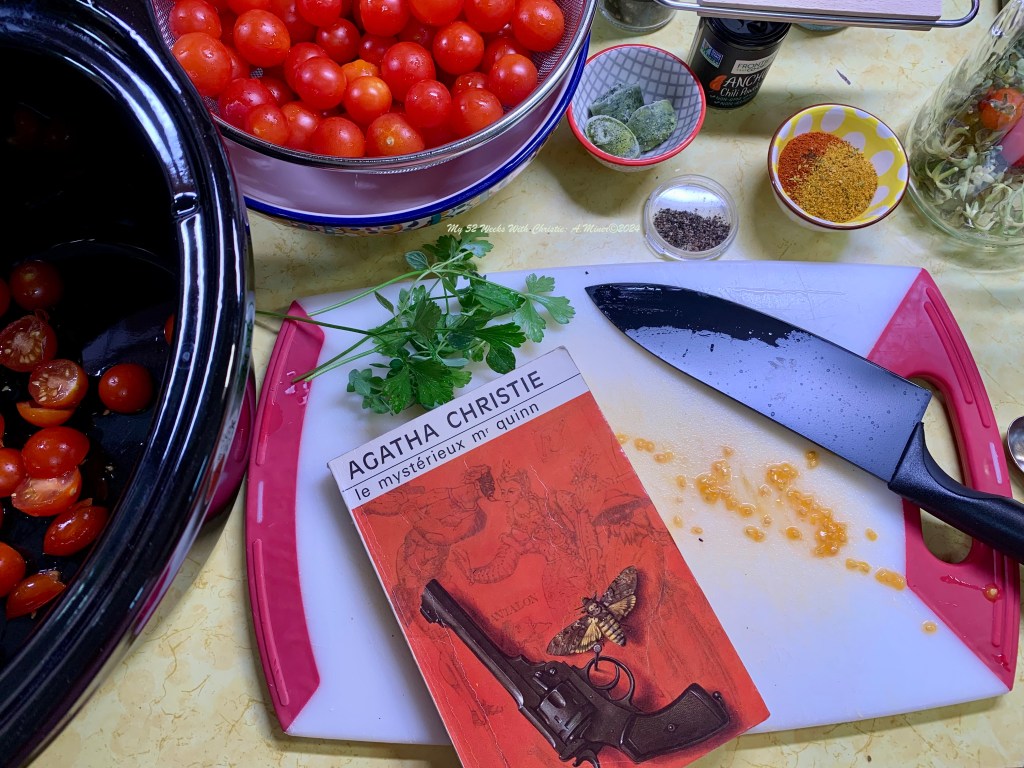
Inspiration: A few months back, whilst perusing a new independent kitchen shop, I uncovered a bite-sized cake pan just waiting for me (and my pocketbook) in their clearance section. After I brought it home, it sat next to my mixer for a month while I got distracted by one thing and another. Then, a request for something sweet came from my husband’s coworkers, and I decided to give the kull pan a whirl!

Aware, from previous disasters, that the first recipe baked in a novelty pan should be the one provided by the manufacturer and knowing Nordicware’s test kitchen churns out reliable recipes — I set about whipping up some mini skull cakes.

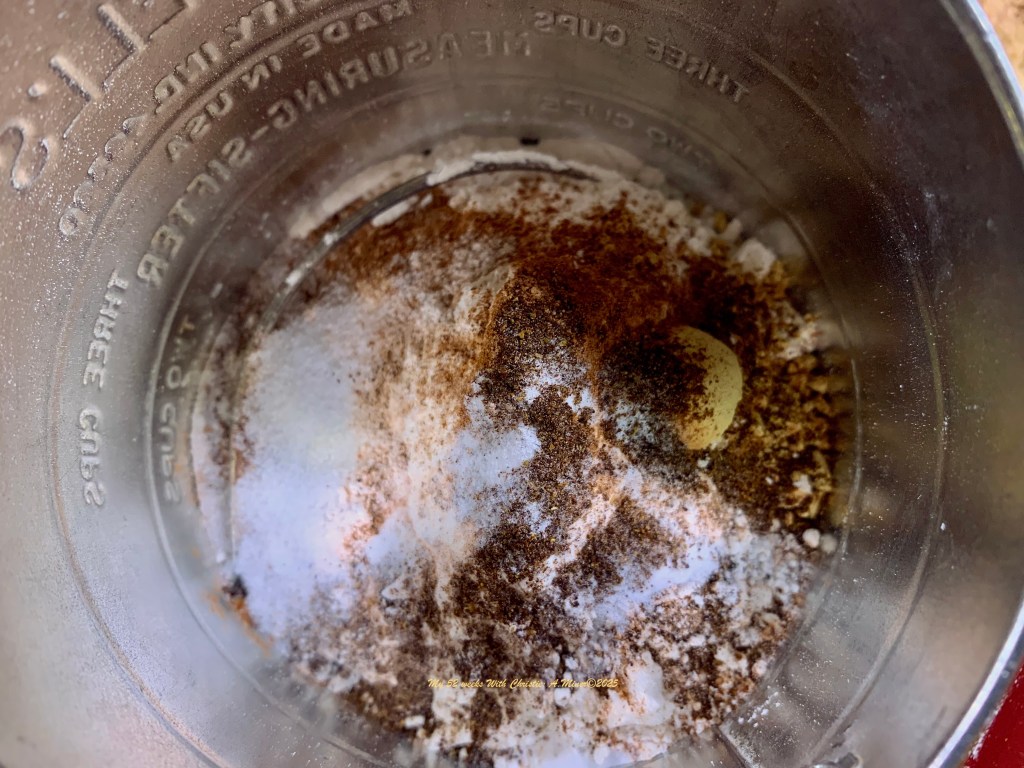
The only change I made to the ingredients was swapping the called for cayenne for ancho chili powder (because I was out of the former). And, due to ancho being milder than cayenne, I added a full teaspoon rather than the half teaspoon called for in the recipe.

Then, because not everyone is as excited for any sort of heat (sweet or otherwise), I dipped the skulls in melted 72% dark chocolate to help mitigate the burn.

They were a hit!

Christie: I can easily see these tiny cakes gracing the festive snack table in Christie’s mystery, Hallowe’en Party. They are bite-sized, not particularly messy (after the chocolate cools & hardens), and not particularly sugary! Making them ideal for a kid’s party. 

My 52 Weeks With Christie: A.Miner©2025

Crime & Christie: Cucumbers & Wallpaper

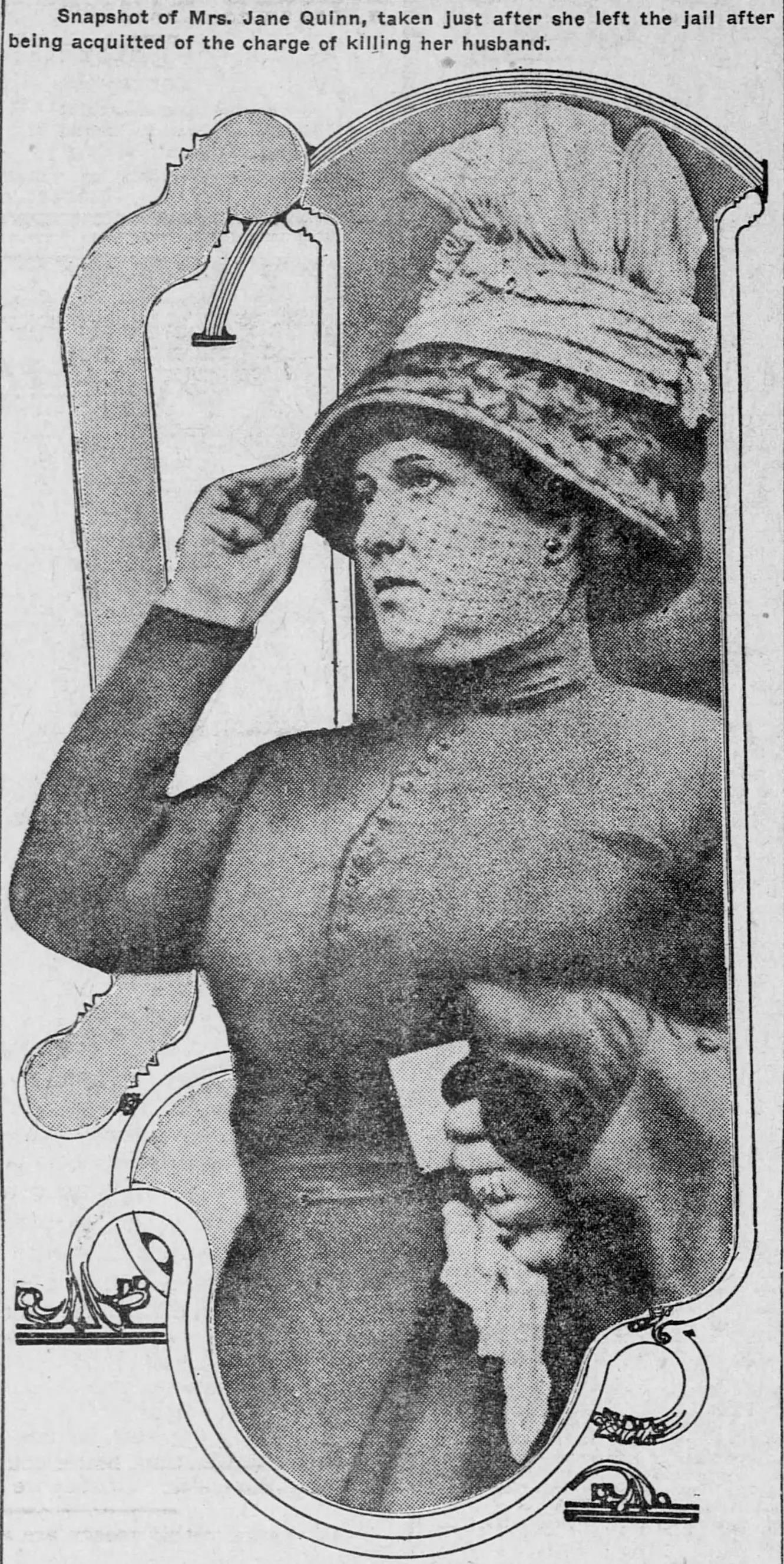
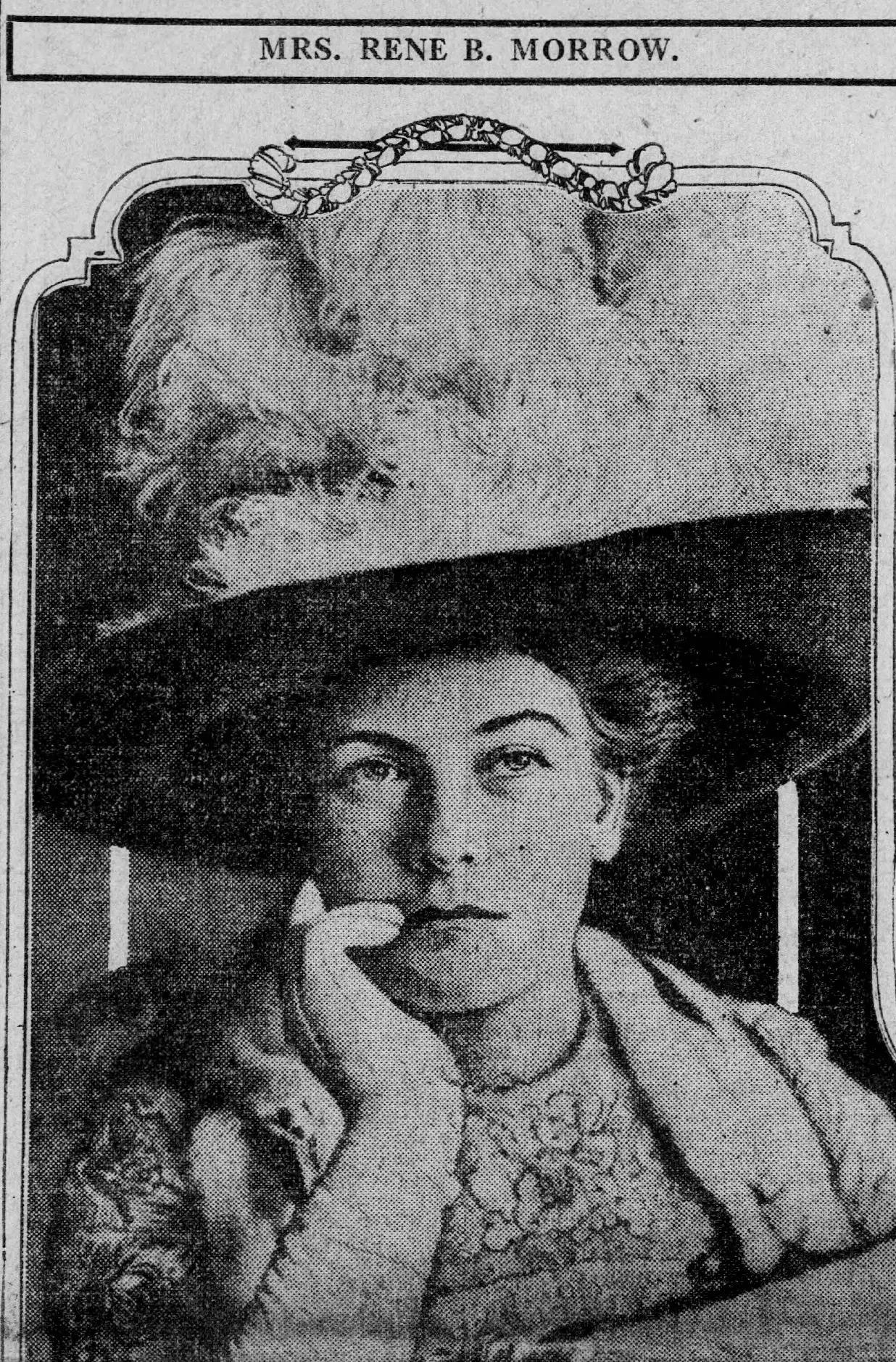
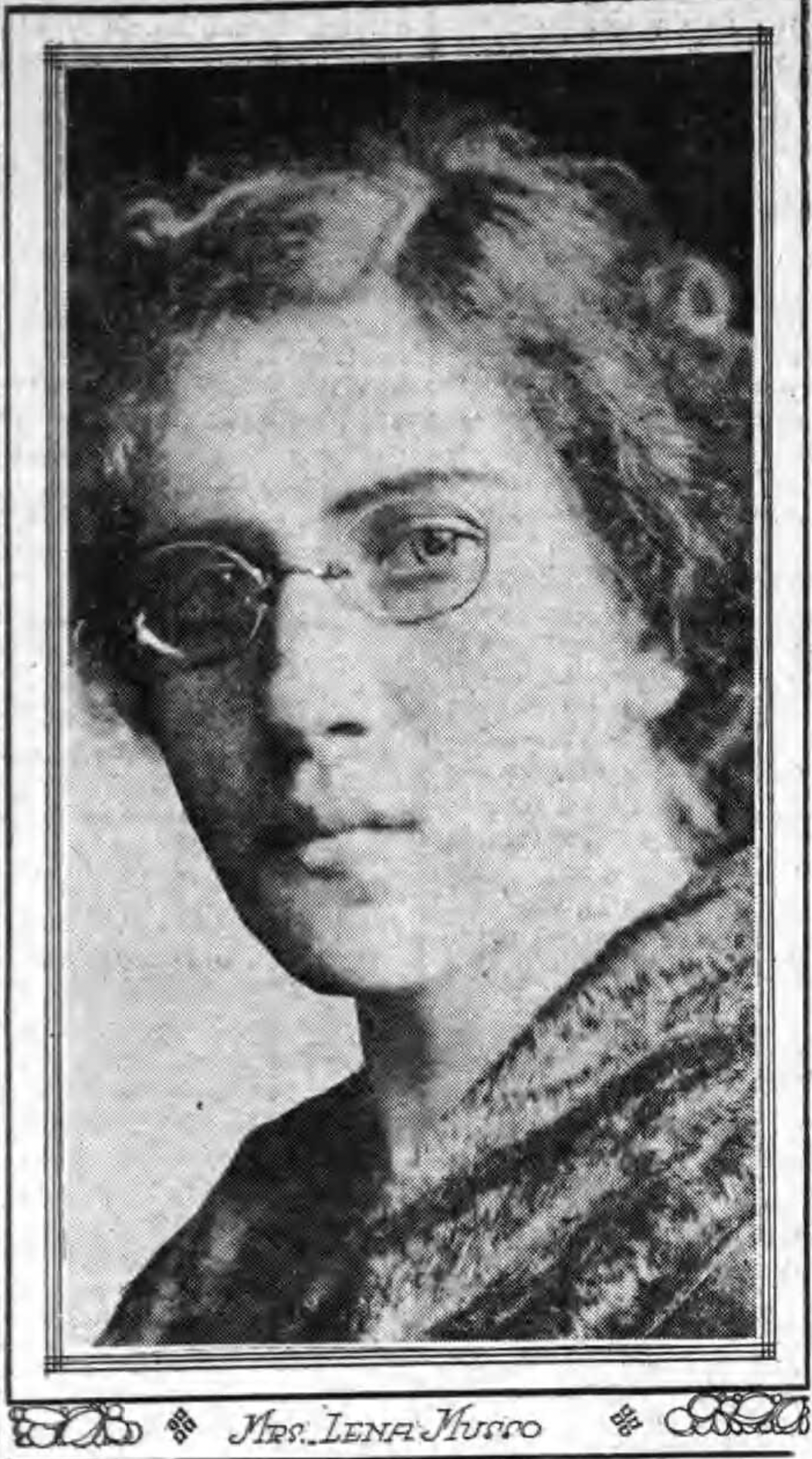
As we’ve seen, obtaining a conviction in historic Chicago was anything but certain. In 1912 alone, Assistant State’s Attorneys were forced to watch Florence Bernstein, Elizabeth Buchanan, Harriet Burnham, Rene B. Morrow, Lena Musso, and Jane Quinn walk out of Cook County courtrooms free as preverbal birds after (allegedly) shooting their husbands (and one love-rival) to death. Even the trial of Louise Vermilya, who police believed poisoned upwards of nine people, ended in a hung jury.

.….An outcome that undoubtedly buoyed Louisa Lindloff’s spirits, as Vermilya’s alleged crimes mirrored her own right down to the poison she favored, victim pool, and motive. (The two even shared a cell on Murderess Row for a spell.) Which begs the question, how? How did Vermilya flummox prosecutors and bamboozle six out of twelve jury members? And, more importantly, could Louisa improve upon Vermilya’s result and actually get away with murdering her son? 

First and foremost, any claim of self-defense would most likely collapse under the weight of the days, weeks, and months of suffering endured by Louisa’s victims. By targeting her children Frieda (18y), Alma (19y), and Alfred (15y), Louisa pretty much rendered any and all claims to Chicago’s ‘Unwritten Law’ null as well as negating the idea of self-defense and a crime of passion. Unable to access any of the cornerstones of the Murderess Acquittal Formula while eyeing the swelling mountain of circumstantial evidence piling up against her, Louisa found herself in a tight spot.

Until she hired famed criminal defense attorney George Remus. 

Specializing in murder cases, Remus was undoubtedly aware of the blueprint others of his ilk used to defend accused poisoners. Tailoring this strategy to fit Louisa’s case, while cherry-picking from the remaining elements of the Murderess Acquittal Formula and adding his own flair, Remus’s first step was to undermine the state’s assertion that Arthur was purposely poisoned by Louisa. 

Step One: Point out to one and all that owning arsenic, other poisons, and their derivatives isn’t a crime. Nor does their presence on a pantry shelf prove Louisa used them to harm those nearest and dearest to her. True, owning upwards of 80-plus bottles, boxes, and/or bags of said substances is a tad enthusiastic — but it’s not criminal.

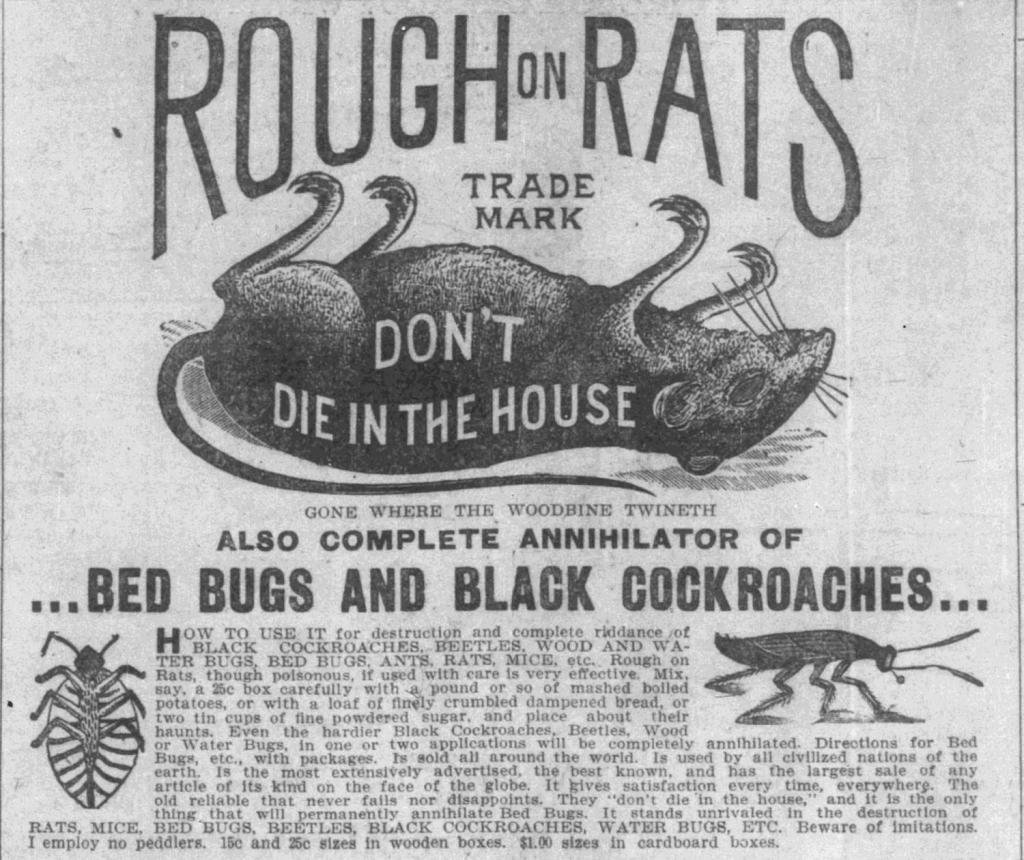
Furthermore, such a collection could (nearly) be explained by the abundance of rats, bedbugs, and other disease-carrying pests who absolutely love urban centers, like 1912 Chicago. With the city’s overcrowded neighborhoods, uneven trash removal, and many restaurants, it ensured everyone from housewives to shopkeepers struggled to keep vermin at bay. A proposition made more difficult by rodents’ infuriating habit of developing poison shyness. (Hence why Louisa owned so many varieties.?! Maybe?) Plus, accidental exposure to Rough on Rats (and therefore arsenic) was almost inevitable due to the recommended application methods.

Step Two: Call attention to the fact that arsenic is a naturally occurring element in the earth’s crust — which means — any arsenic found in the body could be due to natural exposure. Since Arthur’s employment didn’t entail any direct contact with soil (contaminated or otherwise), Louisa contended this incidental exposure came about through her son’s love of cucumbers, which he apparently “ate like a hog.” (Louisa’s description, not mine.)

While it’s true carrots, parsnips, and other such root vegetables can contain trace amounts of arsenic in their skins and, if not thoroughly washed, specks of arsenic-ladened earth can cling to their outsides — the same cannot be said of cucumbers. Between growing on vines rather than directly in the dirt and their thin skins — these vegetables contain very little arsenic in the parts we eat. Facts which could’ve rendered Louisa’s ‘cucumber defense’ shaky if: A. Scientists had discovered either detail by the start of Louisa’s trial on October 25, 1912. — And — B. If Assistant State’s Attorneys Claude T. Smith & Francis M. Lowes presented these scientific tidbits to the jury. 

Step Three: Identify all the other ways the victim(s) could’ve come into contact with the deadly element. 

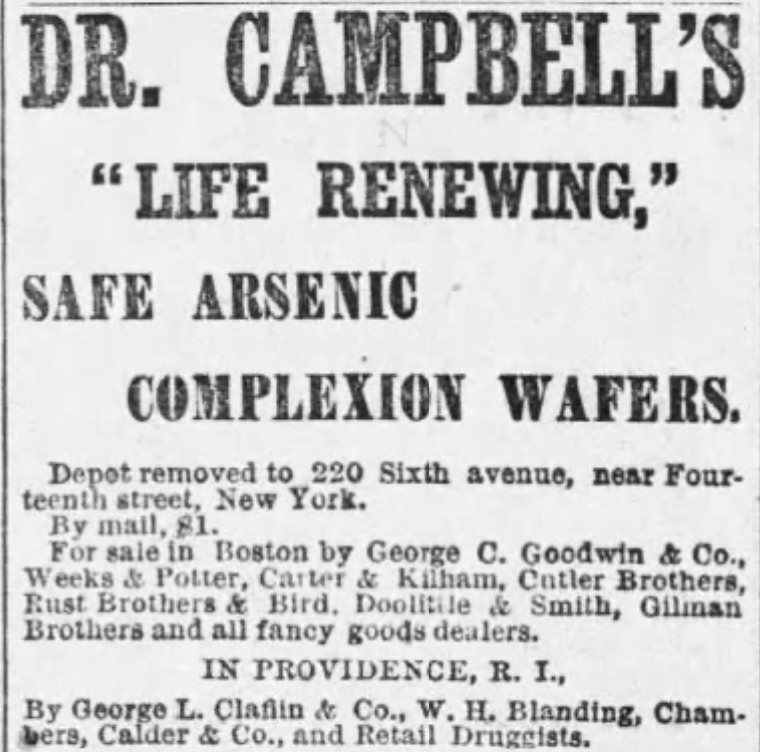
Holding firm to Dr. Warner & Dr. Miller’s explanation that the wallpaper in Arthur’s sickroom was one source of exposure (despite their admission that this excuse was a ruse), Louisa added another legitimate wellspring – Medicine.

According to Louisa: Arthur, his sisters, and her husbands all suffered from a skin complaint for which they treated with arsenic based patent and prescription medicines. Which Dr. Warner did confirmed prescribing. 

From the Office of Full Disclosure: Prior to Louisa’s testimony at trial, the newspapers reported the family’s “hereditary skin complaint” in generic terms. It was only after Louisa took the stand that she euphemistically blamed her first husband, Julius Graunke, for passing on a venereal disease to her, which she, in turn, passed on to her children and her second husband. Perhaps she was alluding to herpes? Which was at one point treated with arsenic. However, thanks to reticence of the times when dealing with STDs, it’s unclear if the family actually suffered from said STD, an innocuous skin problem, or if Louisa invoked the idea to explain away the arsenic found in the bodies whilst simultaneously garnering sympathy from the jury.

Interestingly, unlike Louise Vermilya’s first trial, which was abandoned after a similar medicine based revelation, Louisa Lindloff’s continued. 

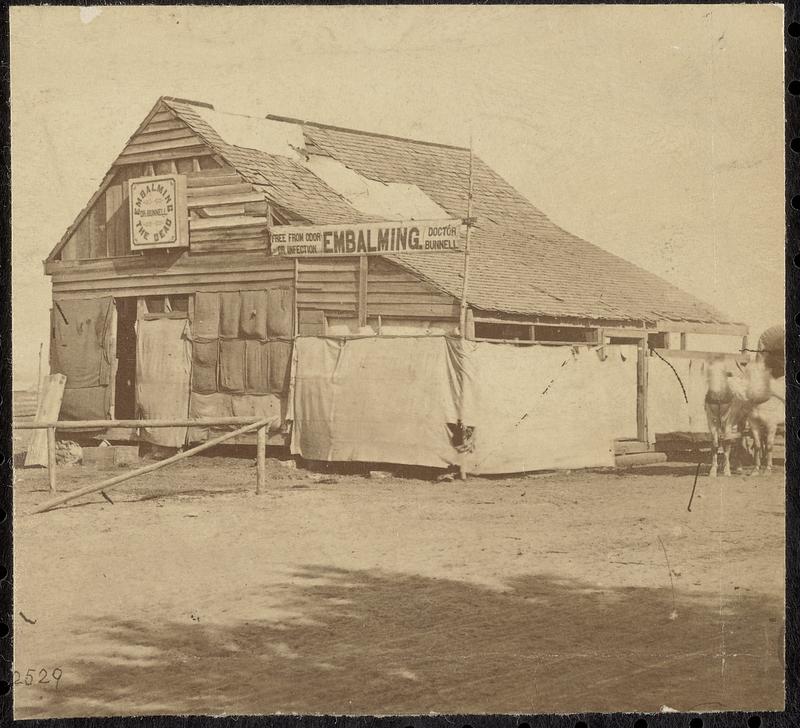
Another common way for substantial quantities of arsenic to enter the body: Embalming Fluid.

During the American Civil War, Dr. Thomas Holmes developed an arsenic-based chemical mixture, technique, and specialized apparatus to preserve Union soldiers’ bodies so they could remain (relatively) preserved during their journey back North for burial. When Holmes’ method proved successful, it was widely adopted. In cases like Louisa’s, the unintended consequence of this advancement in mortuary science is obvious. Since not even the most talented of chemists could differentiate between arsenic administered by nefarious means and arsenic used in embalming fluid, it often rendered results of the Marsh Test absolutely worthless in criminal poisoning cases where remains were tested after being embalmed and/or buried.

This detrimental side effect that reared its ugly head (again) on August 9, 1912. When Coroner H. L. Nathin was forced to abandon his inquest into Julius Graunke and John Otto Lindloff’s deaths due to the discovery that both sets of remains were treated with an arsenic based embalming fluid. (Charles Lipchow’s body was found bereft of the heavy metal. However, that does not mean Louisa didn’t poison him.) Thus ending the looming threat of extradition and prosecution, Milwaukee prosecutor’s promised should the notoriously fickle juries of Chicago acquit Louisa of murdering Arthur.

Speaking of prosecutors — they had their own strategy when dealing with multiple murderers like Louisa. Working under the assumption they could always try a poisoner for another murder, prosecutors would select their strongest case to take to court. Amongst Louisa’s many victims, ASA Smith & Lowes landed on Arthur as their best shot. Not only because his death was the most recent but on account of the quick thinking of two people. 

Apparently, before Arthur’s body ever left Chicago’s University Hospital, Coroner Hoffman seized his pancreas and spleen following the institution’s post-mortem. After confirming for himself neither organ appeared diseased, thus ruling out the COD listed on Arthur’s death certificate, Hoffman delivered both organs to Professor Walter S. Haines of Rush Medical College for chemical testing. 

Upon Prof. Haines’ confirmation that both organs were chalked full of arsenic, Coroner Hoffman ordered the exhumation of William Lindloff and Alma Graunke on June 19, 1912. Although Illinois outlawed arsenic-based embalming fluid back in 1907, Hoffman also requested samples of the fluids used on William and Alma’s bodies be tested as well. Unsurprisingly, on June 27, Prof. Haines’ reported both sets of remains were brimming with arsenic and none was found in the fluid. Thus prompting Hoffman to disinter Freida Graunke’s body, which, in turn, yielded the same results.

Once More From the Office of Full Disclosure: At some point, Coroner Hoffman had Arthur’s lungs, stomach, liver, and other organs tested as well. Though, thanks to the sensation around Louisa’s arrest, it’s a tad fuzzy when precisely this happened. What we do know is, one way or another, Oak Ridge’s Undertaker heard about the kerfuffle around Arthur’s death, and rather than embalming the boy’s body straightaway — he held off. So when Coroner Hoffman arrived at the mortuary to collect the remaining viscera, he found it uncontaminated. 

The Fourth & Final Step: Remind the jury arsenic is a cumulative poison, as well as, an acute one

To this end, while testifying in her own defense, Louisa shocked the entire courtroom on November 2, 1912, by admitting Arthur and the rest of her family undoubtedly died with arsenic in their systems. Whereupon she blamed the accumulation of arsenic found in Arthur’s system on the boy’s overindulgence of cucumbers, the wallpaper in his sickroom, and doctors for prescribing arsenic based medicines. 

As defenses go, it sort of held water….if you squinted at it really hard. However, the six grains of arsenic found in Arthur’s remains wasn’t the only damning element requiring an explanation.

Cooking With Christie: Toffee!

Inspiration: Walking through a local bookshop dedicated to cookbooks, I discovered America’s Test Kitchen’s book Food Gifts. Amongst the many intriguing recipes was one for Chocolate Matzo Toffee.

Whilst I’d never heard of this sweet treat before, it is apparently a well-established dainty! Even better? It’s easily customizable!

The only slightly specialized equipment needed is a candy or electronic thermometer.

Feeling relatively comfortable with this recipe, I switched it up slightly despite not having made the sweet before. Rather than creating a sea salt-flecked treat, I blitzed a half-cup of raw pumpkin seeds and mixed them with the chocolate before pouring it over the toffee. Figuring the slightly bitter taste of the pumpkin seeds would help balance the overall sweetness of the toffee and chocolate. (As well as adding an extra layer of texture.) Then, I speckled some holiday-themed sprinkles onto the chocolate to help relieve the overall monochrome-ish-ness of the treat.

It was a huge hit!

Christie: I can easily see Inspector Japp or Capt. Arthur Hasting enjoying a box of these buttery sweets!

My 52 Weeks With Christie: A.Miner©2025

Crime & Christie: The Unravelling Web of a Black Widow

Soon after Alma’s death, disaster struck Louise Lindloff’s occult practice. Seems police caught wind of Louisa’s work as a clairvoyant/medium/seer and shut her down. Though she skated through the encounter without her wrists being sullied by shackles, police made it abundantly clear Louisa could no longer contact those on the otherside of the veil for coin. Unable to groom clients for possible bequests or supplement her income with readings and unwilling to curb her spending or find honest employment — Louisa turned a gimlet-eye towards her remaining child for one last big score. 

While her crystal ball grew cold, Louisa toured the local insurance agencies stockpiling policies on Arthur Alfred Graunke’s life: Three totaling $515 were secured. Another, purchased on September 13, 1911, was for $1,000 and the final one for $2,000 was obtained on March 26, 1912. 

With all her ducks now in a row, Louisa started the clock.

From the Office of Full Disclosure: Most newspaper reports agree Arthur fell ill on a Wednesday — though whether it was June 5 or June 12 is a tad murky. Whichever Wednesday it was, seventy-something days after securing the last bit of insurance on Arthur’s life, Louisa served her son a meal of cucumbers, canned salmon, and ice cream. (Hopefully, not all mixed together. However, as a kid who lived through the nineteen-seventies jello mold craze? Such a hideous combo cannot be ruled out.) In any case, shortly after ingesting said meal, Arthur fell desperately ill with stomach cramps, vomiting, backaches, and other debilitating symptoms. 

Once again, Louisa sent for Dr. Augustus S. Warner.

Immediately after clamping eyes on Arthur, the third member of Louisa’s family to fall desperately ill in three years, Dr. Warner finally realized he was dealing with arsenic and a serial poisoner. After treating Arthur in the best way he knew how, and with all attempts to induce Louisa into sending her son to the hospital rebuffed, Dr. Warner made a tactical retreat from 2044 Ogden Avenue. 

Well aware that accusations of poisoning were grave and making an erroneous allegation could open a whole world of hurt for himself — Dr. Warner contacted a colleague to consult (unbeknownst to Louisa). After reading and discussing not only Arthur’s case but Alma and William’s, Dr. Joseph Miller came to the same conclusion as Dr. Warner: all three showed the telltale symptoms of arsenical poisoning. 

Returning to Louisa’s home on June 13, 1912, strategy in hand, the two doctors tag-teamed Louisa. Blaming the wallpaper affixed to the walls of Arthur’s sickroom (a classic scapegoat), the physicians told Louisa her son’s symptoms corresponded with a textbook case of arsenic poisoning. While they “believed” Louisa didn’t have a hand in Arthur’s current complaint, they pointed out that her consistent refusal to heed their recommendation to move Arthur to a proper medical facility could be construed by some as highly suspicious in light of their diagnosis. 

Reluctantly, Louisa finally acquiesced. However, replicating the scheme she used when William (her second husband) entered a similar institution, Louisa removed Dr. Warner as Arthur’s primary physician. When Arthur died, Dr. John M. Berger of University Hospital, chalked Arthur’s cause of death down as pancreatitis. Later, he admitted he’d only seen the fifteen-year-old about five minutes before said event and knew next to nothing about his colleague’s misgivings — hence the unobjectionable cause of death.

Straightaway, after learning of Arthur’s passing, Louisa sent her boarder, Henry Kuby, to Prudential Insurance Company for a blank death certificate to start the ball rolling on her last big payday.

Meanwhile, despite being barred from Arthur’s sickroom, Dr. Warner and Dr. Miller were anything but idle. Together, they compiled their paperwork and theories and took them to the Cook County Coroner and Juvenile Court Authorities. Who, in turn, didn’t waste a single second securing the proper permissions and warrants. The day after Arthur’s untimely death, whilst Louisa was planning his funeral, Captain Bernard Baer of the Fillmore Street Police Station and his officers rocked up at 2044 Ogden Avenue.

Warrants in hand, the policemen began searching the house from pillar to post while their Captain questioned Louisa. (Now, I don’t know the order in which Captain Baer fired off these queries at Louisa, so I’ll put them in an order that feels logical to me.)

When told the reason for the search was due to Arthur being poisoned, Louisa replied: “…If he was, I know nothing of it; my hands and body are clean.” Next, when asked if she had any poison in the house, Louisa categorically denied owning any. This lie was immediately laid bare by Officer Anthony McSwiggin, who not only located a box of Rough on Rats missing about 1/3 of its contents, but some strychnine, a mercury based poison, some form of barium, and other bottles labeled poison on a pantry shelf.

Next, investigators discovered a newly purchased grey wig (bought before Arthur’s death) and a trunk catalog. When Capt. Baer asked after these objects; Louisa admitted she planned on traveling (definitely not pulling a runner) that coming summer. An intention that did not jive with her bankbook, which showed Louisa only had $30 to her name. Furthermore, Louisa’s meticulous personal accounting showed a direct correlation betwixt the deaths of her nearest & dearest and when her bank balance dipped dangerous low.

Following these falsehoods, damning admissions, and deductions, Capt. Baer confronted Louisa with the collection of insurance policies she’d assembled on Arthur’s life. Her justification for having so many? Not only was it a German custom to heavily insure one’s immediate family members, but who would they leave such a large sum of money to, if not his mother? 

Apparently, feeling this rationale wasn’t enough, Louisa explained that it seemed prudent to amass multiple policies on Arthur’s life due to the hazardous nature of his job at Commonwealth Edison Company. And faster than Jackie Robison could round the bases, Capt. Baer exposed the false underpinnings of this excuse as well. Turns out Arthur was, in fact, an office boy earning $20 a month from the electric company. What’s more, Capt. Baer discovered that Louisa deceived the insurance companies about Arthur’s age, listing it as 16 rather than 15, in order to obtain the last two high-dollar policies.

Despite all the circumstantial evidence accumulated and Capt. Baer arresting her on June 15, 1921; Louisa managed to retain her freedom until June 17, when she was formally charged with Arthur’s murder and remanded to a Cook County jail, her bid for bail denied. Though she was allowed to attend Arthur’s funeral the next day, Louisa was escorted by two city detectives and a police matron, then promptly shepherded back behind bars.

Finally, after seven years and at least eight murders, the long arm of the law caught up with Louisa. Now, the million-dollar question was: Would a Chicago jury convict her of murder?

Mystery Review: So Much Fun!

Starter Villain — John Scalzi

Recently, I purchased a stack of books for my husband, whose to-be-read pile sank to dangerously low levels. Amongst the new titles purchased to reinvigorate said pile was John Scalzi’s Starter Villian.

He devoured it whole. 

Then he presented it to me, saying: “You’re going to adore this book.” 

And you know what? I did.

The juxtaposition between an average dude named Charlie (aka a former reporter turned substitute teacher) being thrust into the role of “Villian” overnight is outrageously funny, especially when encountering other “Villains” who remind me of those found in cartoons or early seventies James Bond movies — complete with a death ray (of sorts), a volcanic island lair, and a supervillain league. Whilst Scalzi employed these classic tropes in Starter Villian  Charlie’s outsider perspective and twists Scalzi plants in the mystery makes them feel fresh. 

Rather than putting Starter Villian on a shelf in our book room, I’m setting it aside in my to-be-reread pile — because it was that fun to read! Albeit, you do need to suspend some disbelief, as some of the technological marvels seem to-good-to-be-true….but, as I write this….I’m recalling the nest of rabbits researchers genetically modified to glow in the dark and Scotland’s own clone, Dolly the Sheep. So, I suppose the science Scalzi wove into his plot isn’t as far-fetched as I previously thought….Which is only mildly frightening. 

In any case, I would recommend Starter Villian for anyone who enjoys a fun, full-throttle mystery with a fingerprint of science fiction on its fringes.

BTW: Starter Villian is in no way, shape, or form the flipside of the glut of superhero movies that have hit cinemas over the past decade. There are no capes, leaping tall buildings with a single bound, or alien technology at play — just ethically challenged people with a boatload of money to burn.

My 52 Weeks With Christie: A.Miner©2025