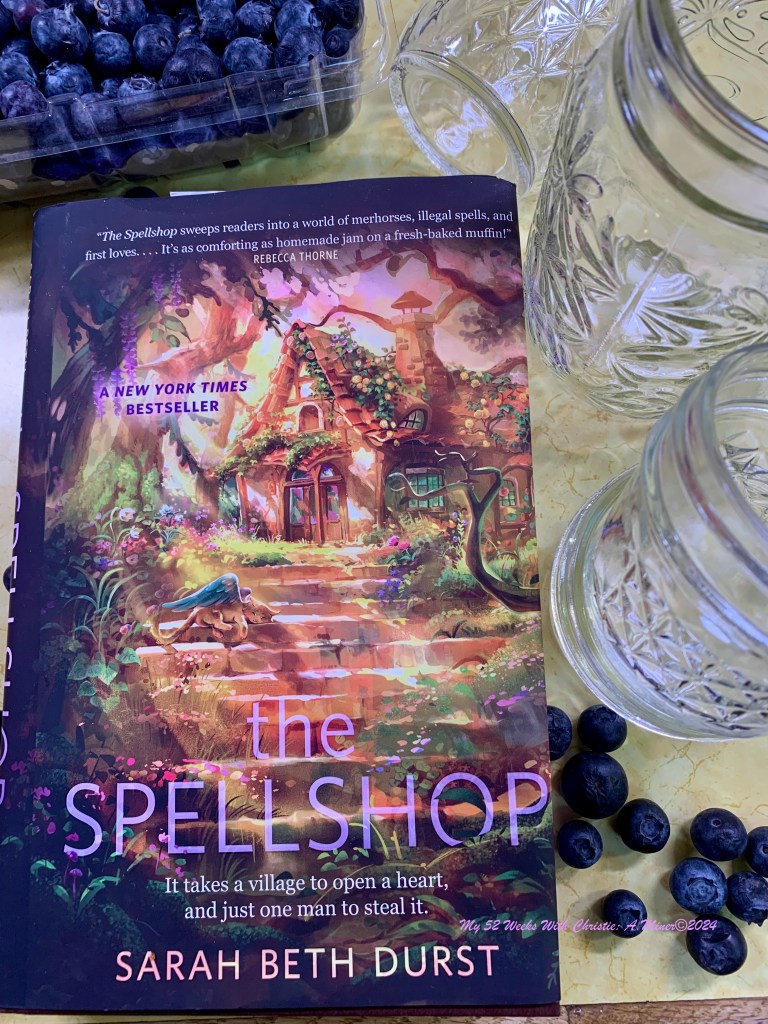
Inspiration: After reading The Spellshop and all its lovely sounding jams, I couldn’t shake the hankering for jam. Then, I spotted a great deal on fresh blueberries at my local grocery store. Grabbing a couple of extra lemons, with visions of jam dancing in my head, we set out for home.
A couple of days later, with The New Homemade Kitchen open at my elbow, I started making blueberry jam.
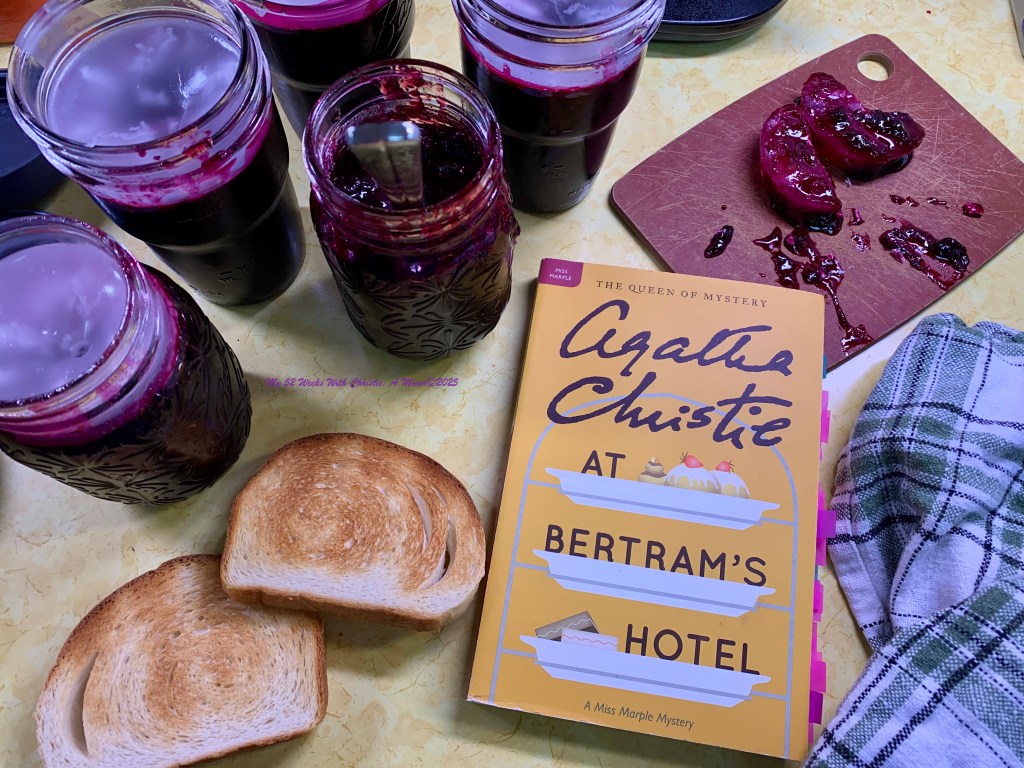
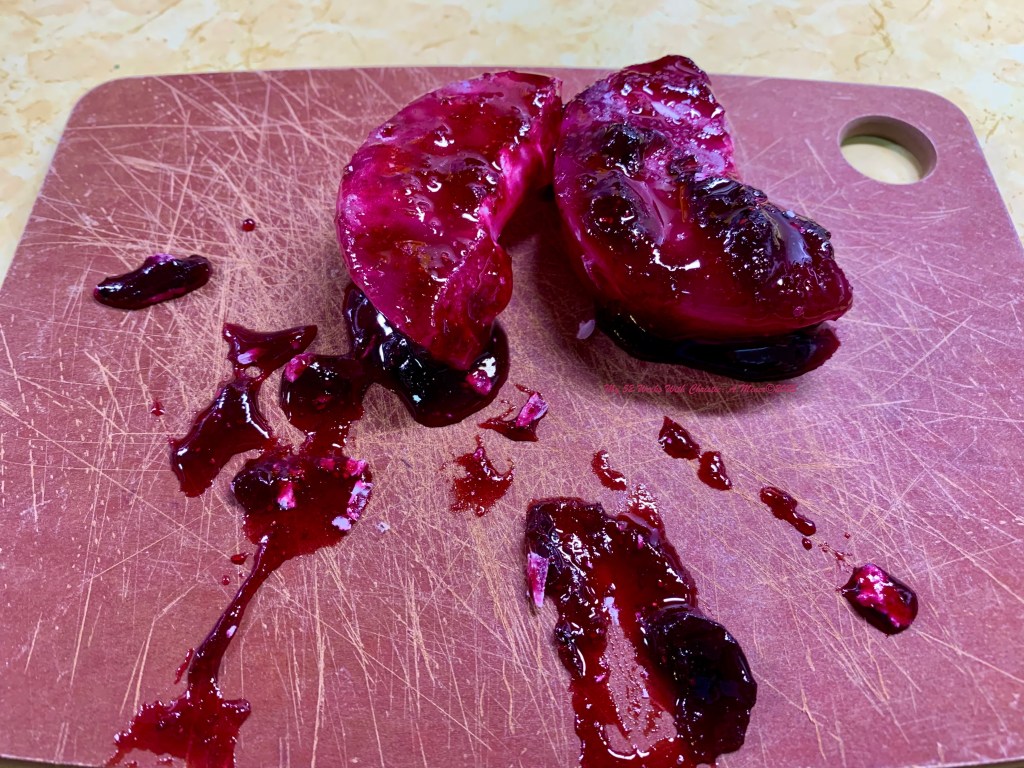
Using the book’s simple recipe, with The Spellshop‘s main character’s method hanging about the back of my brain, I combined the sugar, berries, and lemon juice, then added a bit of cinnamon for depth of flavor. After the hot mixture finished roiling and boiling in the pot, I ladled the finished product into warmed jars.
The berries, sugar, & lemon juice macerating!
Then, using a double boiler, I melted wax. Please don’t get mad at using wax to seal the jars. Only after starting the jam process did I figure out I didn’t have any more of the proper lids for sealing them off with a water bath, but I did have wax. Hence, it’s what I used.
(For those who might be confused, wax sealing jam jars is no longer considered the safest method. However, since it will live in the fridge and will undoubtedly get eaten before any mold should start growing, I went with it.)
Christie: Whilst an entirely different book series inspired this culinary creation, I still can see Tuppence and Miss Marple making and bottling jam made of summertime fruits. Whilst Tommy, Poirot, and Hastings enjoy the results!
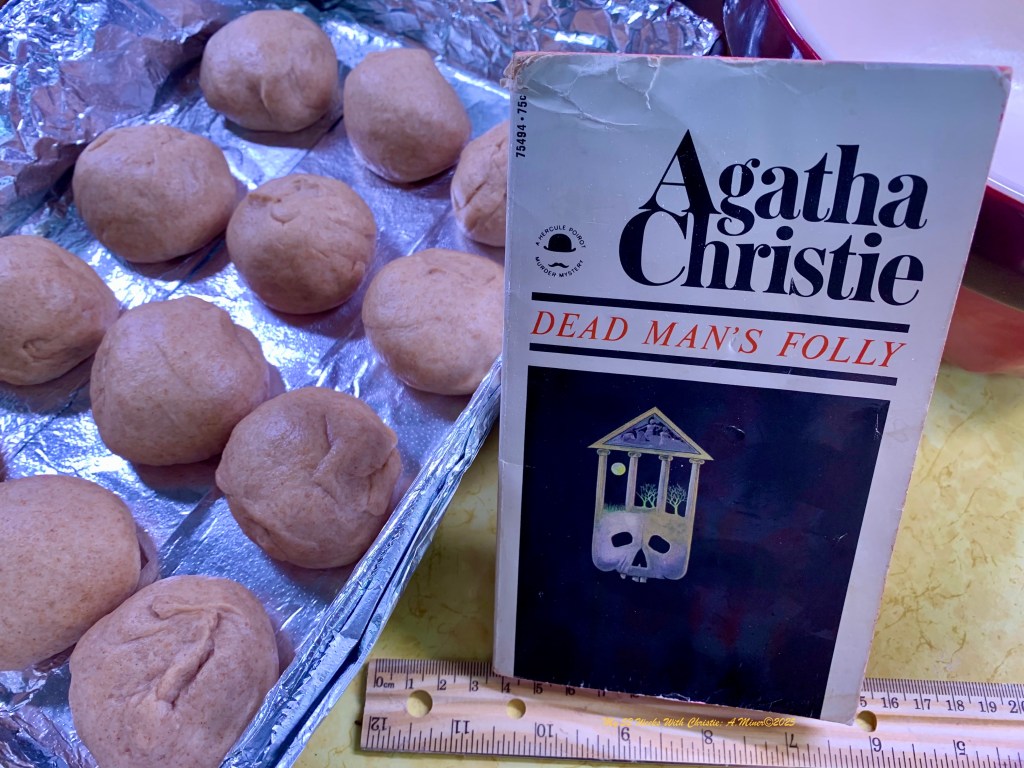
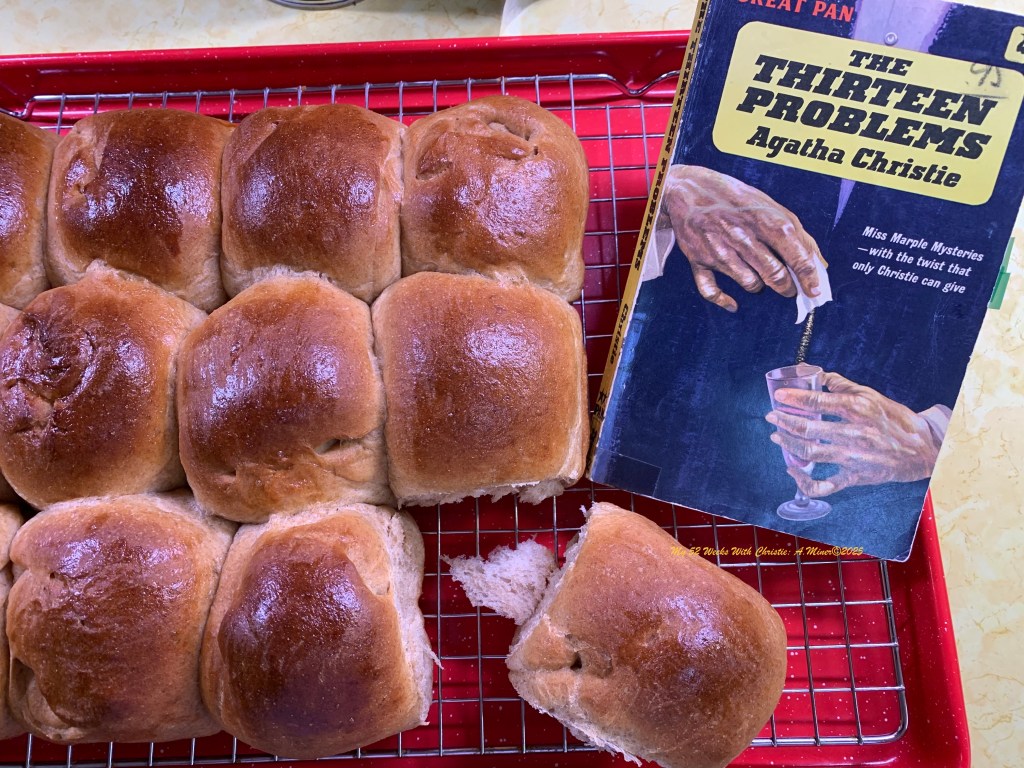
BTW: This pic was taken before I figured out I needed to have five rows of three in the pan not four in order to make these into nice pull apart rolls!
Once upon a time, I wanted to do something nice for my mom-in-law’s birthday. This proved a tad challenging for a woman who’s not a huge reader, hobby enthusiast, or coffee drinker until I recalled a notorious family legend: where she, whilst gabbing away with her relatives, polished off an entire cake by herself — one bite at a time.
The cake in question was a gooey butter cake — a regional favorite, which, at that point in time, hadn’t hit the mainstream (yet). So, finding a recipe online was a non-starter. Even worse, in a fit of downsizing, she tossed out all her handwritten family cookbooks, thinking all the tried-and-true recipes within them were now redundant, thanks to the internets. Which left me up a creek without a paddle because I had no clue what went into this confection besides sugar, butter, eggs, and flour.
Fortunately for me, a few months later, Bake From Scratch magazine ran a feature on regional or lost bakes (I can’t recall which) that included this St. Louis treat. And my mom-in-law was thrilled when we showed up for the next family gathering (Thanksgiving, I believed) with it in tow.
However, if I’d failed to purchase that month’s magazine or the publisher decided against running that feature, I might never have run across the recipe.
And that’s where The Kamogawa Food Detectives (would in theory) come in.
If I lived in Japan and faced a similar conundrum of a lost recipe, needed to reconnect with an old memory linked to a specific dish, wanted to recreate my grandmother’s signature ramen or other similar culinary mystery — The Kamogawa Food Detectives would do their level best to figure it out and reproduce it for me.
(Here’s a preview for Midnight Diner: Tokyo Stories.)
If you enjoyed watching Netflix’s Midnight Diner or Midnight Diner: Tokyo Stories ten-to-one, you’d enjoy reading The Kamogawa Food Detectivesas the two share a similar-ish vibe. (BTW: You should try the Midnight Diner if you haven’t already; it’s a fantastic show.)
Though the story does feature food, a lot of magnificent-sounding food, at its heart, The Kamogawa Food Detectivesis a mystery. Nagare, a former police detective, follows leads, interviews people, and uses his experiences and intuition to solve each case brought to the agency housed in the back of the family restaurant. Whilst Koishi, Nagare’s daughter, is the people person of the outfit. Conducting the initial interview with the clients, she pulls out as much information as possible about the dish in question, the person responsible for its creation, and the client’s relationship with it/them.
In some ways, the format of The Kamogawa Food Detectives reminds me of Issac Asimov’s Black Widower short stories in so far as the structure of each case follows a pretty rigid pattern.* Admittedly, this makes the book sound formulaic, which I suppose in a way they are — but in the best possible way as this set pattern compels Kashwai to find unique ways to inject twists, turns, and surprises into the stories — which he does beautifully. Moreover, the precise arrangement of standard story features is comforting rather than feeling derivative.
Though the chapters in the book read more like short stories than a continuous novel, the thread linking each episode together is not only the book’s repeating pattern and delectable dishes of food but also Koishi and Nagare’s lives. With each investigation, you learn just a tad more about them. And it’s these little scraps that kept me from setting aside the book between chapters and reading onwards. It’s also what compelled me to pick up the book and reread it again a few days later, at a far more leisurely pace, savoring each and every word.
I would recommend The Kamogawa Food Detectives to anyone who enjoys reading about food or non-murder mysteries or those who delight in Japan and/or the country’s cuisine and are looking for something cozy/interesting/lovely to read on a cold winter’s night.
*(BTW: The collections of Asmov’s short stories are all out of print but are definitely worth tracking down. Try here. And thank you, Fran, for turning me onto them all those years ago!)
Endeavoring to improve my bread game, I decided to try these honey-wheat dinner rolls. A tad trepidatious, as this style of roll was one I absolutely loathed eating back in grade school; I still decided to give this recipe a go — mainly because I couldn’t recall WHY I disliked them.
In the past, I’ve struggled with consistently producing golden brown well-risen rolls. Pull-apart rolls, in particular, pose an even bigger challenge.
I had no clue why….until now.
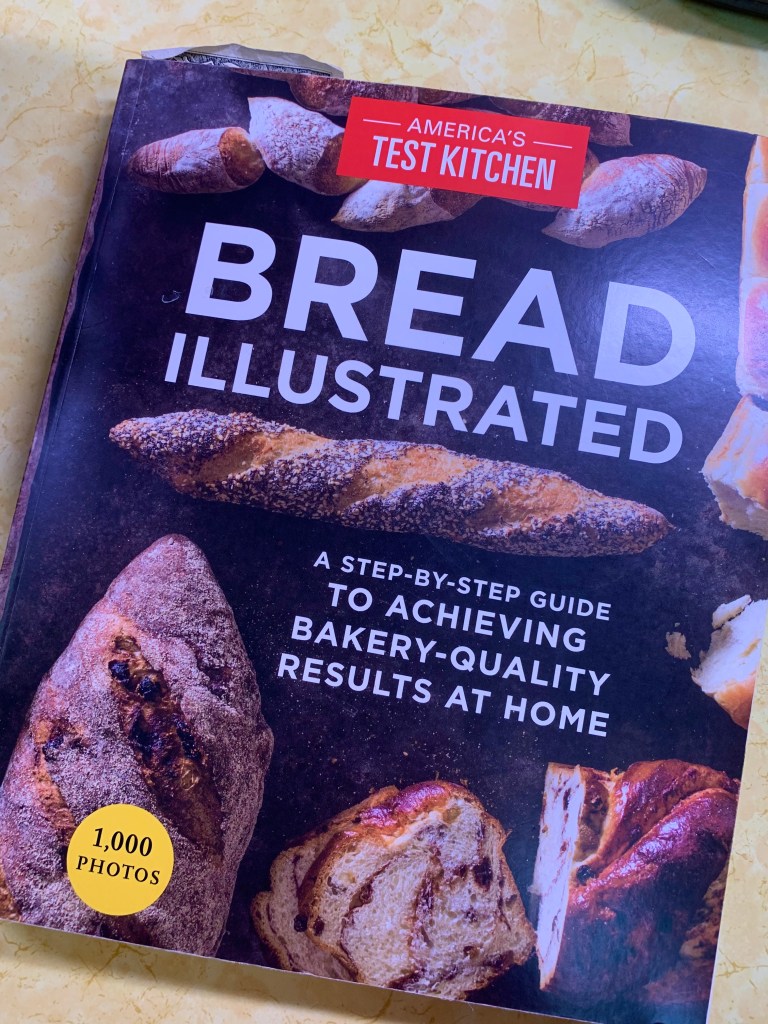
Turns out the reasons for my floundering was, of course, self-inflicted. Thanks to America’s Test Kitchen’s book, Bread Illustrated, I discovered that not only was I not putting enough of the raw dough balls into the pan when getting ready to bake them. (Apparently, their personal bubble is much smaller than mine.)
I also discovered I was using the entirely wrong kind of yeast!
Never once did it cross my mind that instant or rapid-rise yeast differs from regular old active dry yeast. However, I did discover, through trial and error over the years, that my bakes always seemed to come out better when I bloomed the yeast first and then added the rest of the ingredients. I’m unsure why I finally twigged to the discrepancies between types of yeasts while reading the ingredient list this time, but I did. Thus, I’m passing on my slightly mortifying ‘aha!’ moment in case it helps someone else.
Other than still blooming the yeast first, as I’d no rapid-rise yeast in the house, I followed the recipe to the letter. And, as you can tell from the pic above, the rolls turned out great!
And I finally recalled why my younger self disliked them.
It turns out, even back in the day, I didn’t like the extra sweetness the honey gave the roll, especially when served next to a savory dish.
Changing It Up: The next time I whipped them up, I swapped the honey out for Barley Malt Syrup, which not only has a similar consistency to honey, but it’s not nearly as sweet. Moreover, its malty taste pairs well with wheat.
The second iteration was definitely an upgrade! (In our household at least.)
From Me To You: If you use the King Arthur Climate Blend Wheat Flour in these rolls, be prepared to add a touch more AP flour or bread flour to the dough. Otherwise, the dough is too loose and sticky to form proper rolls and looks nothing like the nice dough ball pictured in Bread Illustrated. No clue why, but so far, it’s happened every time I’ve made this recipe.
Christie: Though I don’t think these rolls are quite posh enough for Poirot, I can easily see Hastings cleaning the last remnants of stew or soaking up the last bit of soup broth left in his bowl!
(Sorry, I don’t have link to the recipe. ATK charges for the bulk of their recipes, so either you can purchase BreadIllustrated, subscribe to their website, or try a similar recipe from someplace else. I will say ATK’s BreadIllustrated is absolutely fantastic and worth purchasing if you’re new or an experienced baker!)
Recently, I found myself with an empty afternoon, so I decided to tackle Duck Detective: The Secret Salami, a game I received last Christmas. Available through STEAM (and I’m assuming other platforms), I would recommend Duck Detective: The Secret Salamito anyone who enjoys solving a mystery.
The music is fantastic. The homage to the lone private detective struggling with his vices was twisted just enough to feel fun. Plus, the animation and story were well laid out and engaging. Moreover, as a veteran mystery video game player, I found Duck Detective: The Secret Salamidifficult enough to challenge my little grey cells but not so onerous that I became frustrated. Even better, the game uses a deduction interface that makes it difficult to guess your way through
Though I will warn you, just as the developers do, Duck Detective: The Secret Salamiis a short game. It took me about 2.5 hours to complete, and that’s with coffee, bathroom, and rotating laundry breaks. This is a nice feature if you want to scratch a video game ich but don’t wish to spend an entire day cracking the case. However, it’s also the reason why I’m glad the game was on sale when purchased, mainly because I don’t see a ton of replays of Duck Detective: The Secret Salami in my future unless I find myself needing to tick off that last achievement or am hopped up on cold medicine and want something to take my mind off my stuffy nose.
With all that being said, I thoroughly enjoyed the game and cannot wait until the Duck Detective: The Ghost of Glamping, is released sometime in 2025!
Inspiration: Customizable Slice-and-Bake Butter Cookies
If you’re looking for an easy make-ahead cookie dough that will wow the masses, this is the one for you! I’ve a similar cookie in my repertoire already, but it turns out you can do way more with the dough than I’d ever dreamed.
Initially, I found this recipe in a magazine, but it turns out America’s Test Kitchen made a YouTube video about these cookies, which is below.
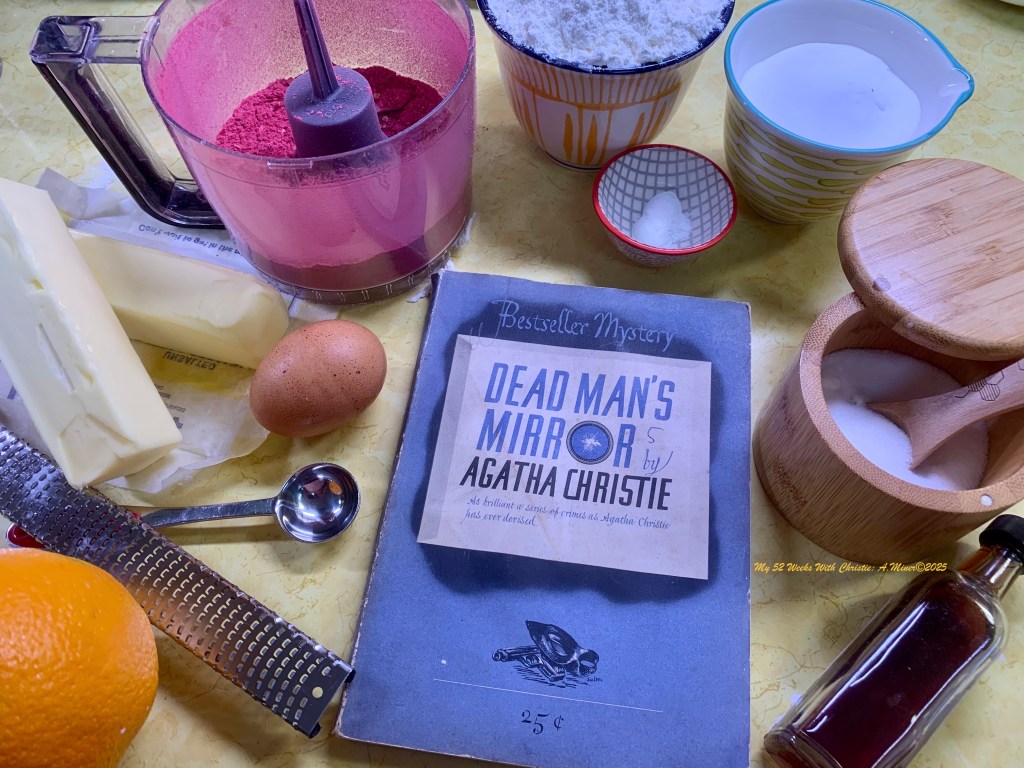
The version I made was Raspberry-Cinnamon. After making the dough, you blitz down freeze-dried raspberries to the size of atoms, strain the seeds out, and sprinkle the powder on the cookies directly after they exit the oven.
Hilariously, the group sampling my efforts was a bit unsure about the powdery topping. But trusting I wouldn’t send along something awful, they nibbled…and nibbled…and nibbled them. After four or five cookies, they decided the mouthfeel was just a tad grainy. Then, they proceeded to hoover up all forty cookies over the next couple of hours.
So, this was not a make-or-break feature, and, in fairness, I did get a bit heavy-handed when sprinkling the powder.
Christie: I can see Tuppence making these cookies for one bake sale or another, especially since this style of slice-and-bake butter cookie can be whipped up one day and baked the next. An outstanding feature in a homemade cookie, as it doesn’t require a huge time sink on either day!
Combine D&D, Jane Austen, and jam, and you might just get a sense of this story. Yet, like many things in life, The Spellshop is much more than these roots. It’s about a librarian forced to choose which books she likes the best, then flee from the largest library in the whole of her country after revolutionaries set it ablaze, and, finally, use magic (which is strictly forbidden if you’re not authorized by the government), to keep body & soul together…..and help those who need it.
Not since Brandon Sanderson’s Tess and the Emerald Sea have I enjoyed a book so thoroughly. Reading about a woman who loves books as much as I do and is willing to do what she can to save them was terrific. Moreover, I understood her grief upon realizing the repository of books she called home would never be her home again. Plus, the magic, with its unanticipated side effects, the unexpectedly sentient creatures, and jam-making, made me add The Spellshop to the ‘My Favorite Books’ list. (As I’m a sucker for any book which manages to add cooking and/or baking seamlessly into the narrative, which Durst does in aces without tipping the story into a culinary themed direction.)
The Spellshop is a well written, cozy adjacent, light fantasy novel that contains a bit of mystery, political intrigue, and community. There is a touch of romance, but only just a touch, as extra flavor text. Plus, as a bonus, the book itself is just pretty, which is what prompted my husband to point it out to me in the first place.
I would recommend The Spellshop to anyone looking for a light Sunday afternoon or snowy afternoon in front of the fire book. And I absolutely cannot wait for The Enchanted Greenhouse, set in the same world, coming out this July!!!!!!






 My 52 Weeks With Christie
You must be logged in to post a comment.