Book Review: Not a Mystery – But well worth your time!

The Book of Difficult Fruit: Arguments for the Tart, Tender, and Unruly (with Recipes) by Kate Lebo

Unsurprisingly, as a kid, I got sick – a lot. The ailment of choice? Bronchitis or, as I called it, ‘The Arc-Arcs’. Since the uncontrollable coughing fits, which routinely left my lungs feeling raw, reminded me of the barking calls of seals. This illness ruined many a Halloween, Christmas, and the seven hours of respite my daily attendance of elementary school afforded my mom.

Although I cannot recall which of the world’s pinnipeds owns the dubious distinction of inspiring this phlegm based nickname, I suspect it’s more exotic than Phoca vitulina — also known as the common harbor seal. Mainly because I can’t recall spotting one of these bespeckled mammals swimming in the sea or lounging on a rock in the Puget Sound as a kid.

Please don’t get the wrong idea; my family and I spent tons of time on various beaches along the coast. However, like many families, we had our own traditions. Meaning: Whenever we visited Birch Bay, Deceptions Pass, Ocean Shores, and other sandy shores, we didn’t go for mindful beach strolls. 

We hunted for agates. 

An activity mom said wasn’t a competition, but it totally was and left little time for gazing past the waves stretching towards my toes.    

So, in all probability, my nickname for bronchitis came by way of a fever dream. Inspired by either an episode of Mutual of Omaha’s Wild Kingdom or a bit during a Looney Tunes cartoon I listened to whilst curled up on the living room couch, hovering in the liminal space between wakefulness and sleep. 

Although I cannot recall the origin story of ‘The Arc-Arcs,’ its cure remains indelibly stamped in my memory. 

Stored on the top shelf of my folks’ old mustard yellow refrigerator, as instructed by the label neatly affixed to the tall brown plastic bottle, the antibiotic necessary to cure what ailed me came in the form of a thick pink liquid optimistically described as cherry-flavored. 

And it tasted about as close to real cherries — as you are on the family tree to that third cousin twice removed on your father’s side that always shows up to family reunions smelling like blue cheese that’s sat out on the kitchen counter for three days in August. You might share the same surname, hair color, and distant relative, but that’s about it.

Despite the fact it’s been a solid thirty-five years since I’ve needed to choke down that medicine every four hours until the bottle was empty, the memory of this mixture has rendered cherry fillings, liqueurs, jams, spreads, ice creams, trifles, and smoothies pretty much inedible. The only cherries I’ve managed to eat over the past few years come from a neighborhood tree that I’ve picked myself (with permission, of course).

It’s these oddly interconnected memories that make Cherries a difficult fruit for me.

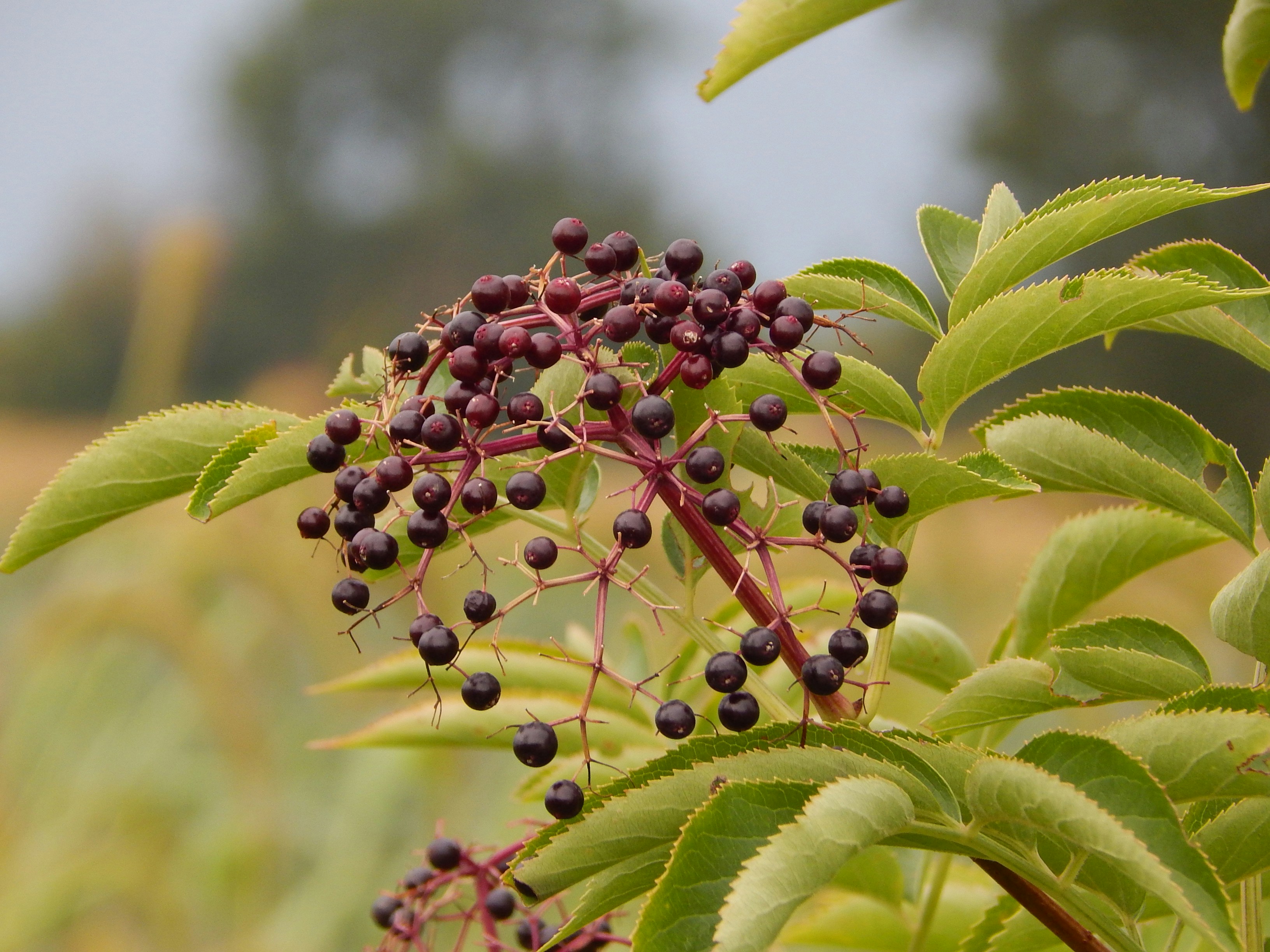
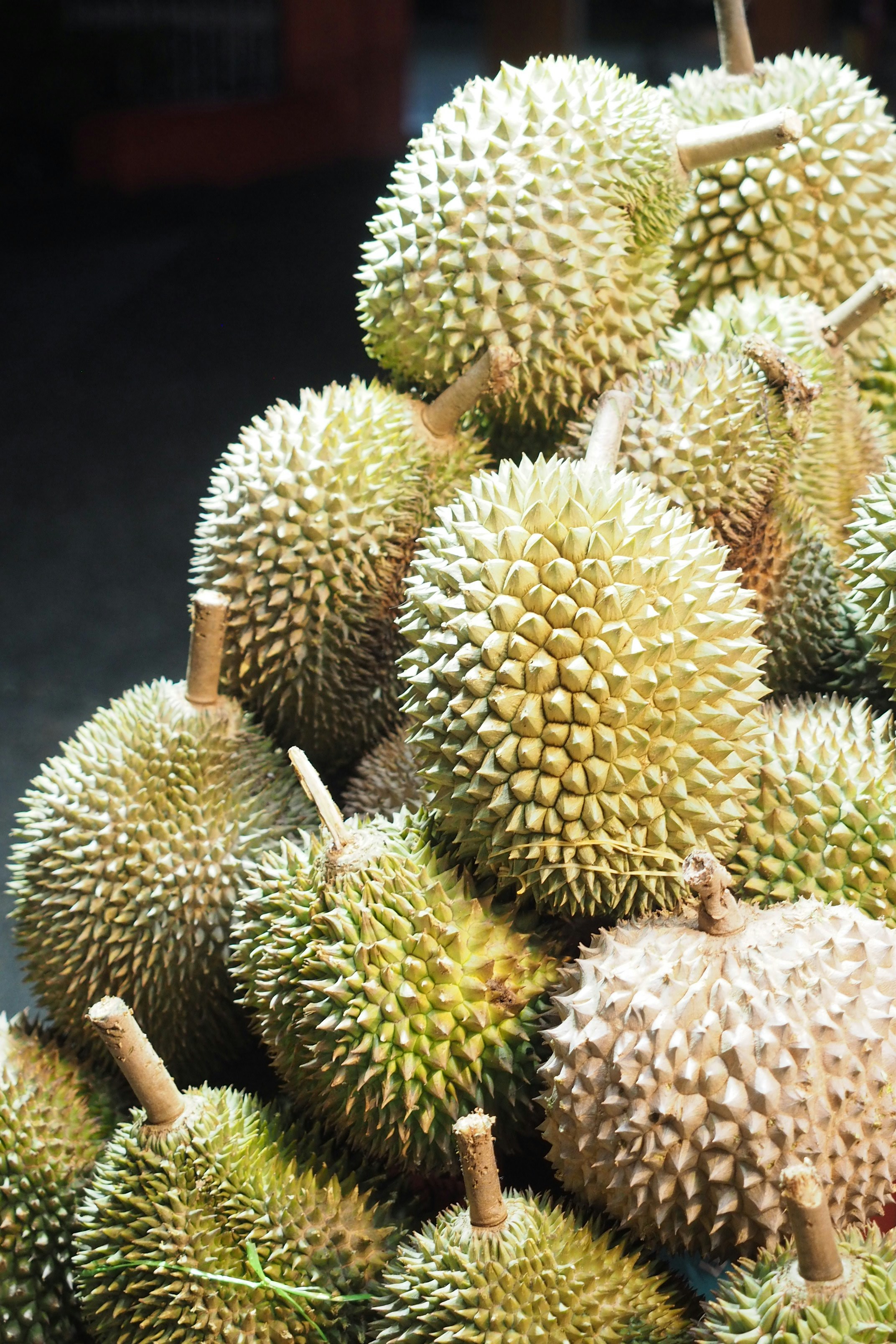
In The Book of Difficult Fruit, Kate Lebo layers her perspective, history, knowledge, and experience to build insightful essays on what makes her alphabetical list of 26 fruits difficult for her and/or the world at large. (Witten in, obviously, far more eloquent prose than my own.) At the end of each chapter, Lebo includes two recipes that serve as a safety net if you’ve always wondered what to do with aronia, elderberry, faceclock, or durian. 

You can’t have a book on difficult fruit without durian.
Mind you, The Book of Difficult Fruit isn’t always a light read. From discussing why she walked out on someone she shared her life with for several years to trying to figure out the reason her grandparents disowned her two aunts — there are some heavy memories associated with these fruits. But through practiced skill, Lebo manages to make these heavy memories accessible by showing you the weight she carries without making it yours.

Admittedly, The Book of Difficult Fruit isn’t a mystery. However, Lebo did solve the conundrum as to why almond extract never set off my nut allergy the way the raw fruit can (generally because almonds are often processed near peanuts). She also discussed the cyanide found in bitter almonds, the dangers of eating rhubarb leaves, the complicated history of gin, and the destructive power of wheat amongst other fascinating topics.

Honestly, I cannot say enough nice things about this book. I would’ve gobbled it down whole if I had not traveled to Colorado for a few days and then misplaced it for a week upon returning home. I would highly recommend these essays revolving around fruit and life to anyone who enjoys reading books about food sprinkled with interesting facts or catching a glimpse of how someone else dealt with life’s difficulties. 

Cooking With Christie: Sussing out a mystery with sprinkles?

“He doctored the hundreds and thousands…” 

Upon encountering this solution for the first time in the Miss Marple short story, The Tuesday Night Club, I was left baffled. Why? Because up until that moment, I’d never encountered hundred-and-thousands before.

Or so I thought.

Turns out I knew exactly what they were only by a different name: Sprinkles. 

Since that day, I’ve learned these tiny confections are much like Shakespearian roses — tasting just as sweet whether they are called hundreds-and-thousands, jimmies, jazzies, vermicelli, nonpareils, pearls, shots, or snowies. Though there are minor variations amongst them, to my mind, they all fall under the broad umbrella of sprinkles. 

Okay, fine. 

Satisfied with finding the answer to my question, I moved on to the next Miss Marple mystery. Yet, upon subsequent reads, beyond making me giggle at my younger self, something about “He doctored the hundreds and thousands…” still nagged me. Something I couldn’t quite put my finger on until I started baking cookies every Thursday to share with Seattle Mystery Bookshop patrons on Fridays. 

How did this nefarious fictional husband manage to “doctor” those hundreds-and-thousands? 

At first, I theorized he shook them in a jar with the poisonous powder. The only problem? The baddie intended to do away with his wife straightaway, and I’m not so sure this dusting would impart enough arsenic to achieve his hideous objective. (Nor is this something I am going to fiddle around with to find out. There’s a limit to my dedication to this blog.) 

Moreover, simply tossing the sprinkles around in an arsenic based powder (like so much lettuce in dressing) would leave behind a visual clue. Which could be mistaken for some sort of spoilage. Leading the victim to leave her desert uneaten and her husband’s wicked plan unfulfilled. 

Neither could this villain simply soak the sprinkles in an arsenic solution to impart the element’s death-dealing properties. As sprinkles, being composed primarily of sugar, would melt. Knowledge my much shorter self acquired by watching a generous measure of nonpareils melt into my ice cream nearly every Saturday evening at my grandparents’ house.

So, how did the murderer do it?

Since I’ve never lived in a world where sprinkles, snowies, hundreds-and-thousands, jimmies, jazzies, and nonpareils haven’t been available on grocery store shelves in tubs, tubes, and cartons. It took me far longer than it should’ve to arrive at a solution. 

Or, at least, an answer that makes sense to me

Then, a few months back, during a commercial break in The Great Canadian Baking Show, several of the former popular/winning contestants popped back onto the screen, extolling the virtues of a particular food product by demonstrating its versatility. Witnessing one of the former bakers piping tidy rows of raw sprinkles onto baking sheets caused my little grey cells to sit up and sing.

This was how the foul spouse “…doctored the hundreds and thousands…” 

He made his own.

Theory firmly lodged amongst the folds of my brain, I did a bit of sleuthing to see if this idea was even remotely possible. Whereupon I learned the machine-made sprinkles I love to put on anything, and everything are just over one hundred years old. 

According to Wikipedia and corroborated by advertisements I located, chocolate sprinkles started becoming commercially available across the U.S. around 1921. Seven years after, a pair of Dutch candy companies pioneered a similar product. Which, unlike many of their American counterparts, actually contained real chocolate. (Though how fast these manufactured petite sweets traveled across the English Channel and into the UK, I don’t know.)

Although this technological advent is fairly new (in geologic terms), homemade sprinkles date back several centuries. Apparently, there’s several French pastry recipe going back to the seventeenth century which gives bakers the option of topping their treats with nonpareils or sanding sugar. Even more exciting, thanks to Michigan State University’s Feeding America: The Historic American Cookbook Project, there’s an indexable cookbook with a recipe for nonpareils dating back to 1864!

This quick and dirty timeline, when paired with the fact that Agatha Christie published The Tuesday Night Club in 1927, shows us that Agatha Christie, Miss Marple, and the killer all inhabited a world before mass-produced sprinkles stepped into the limelight. More importantly, the knowledge of how to make snowies at home hadn’t been shunted off to the periphery of baking — yet. (Where these recipes lingered for nearly a century until Covid lockdowns gave people time to explore the margins of baking again.)

Okay, fine, he made his own sprinkles. 

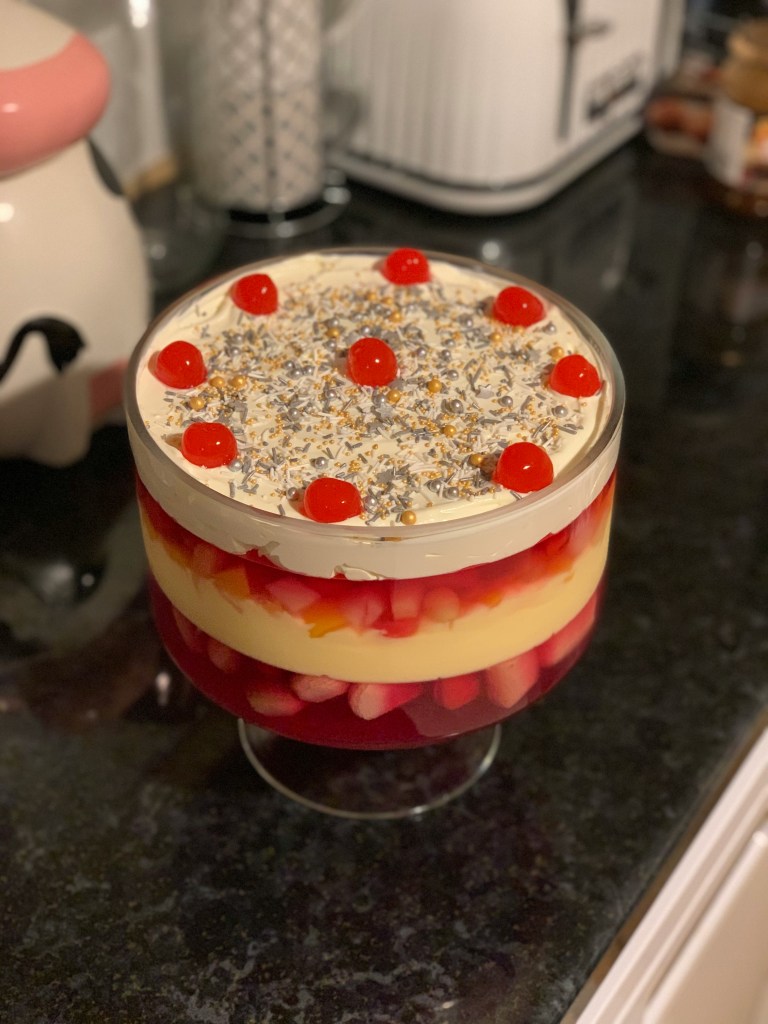
But how did this villain ensure his unsuspecting wife would eat a lethal amount of arsenic via these crunchy bits of formed sugar? Mind you, this is only an educated guess, but I suspect he substituted rat poison for a portion of the powdered sugar and swapped the clean water for some he’d adulterated with flypaper. Then, he instructed his accomplice to use a heavy hand when applying the poisoned pearls to the top of the trifle. 

(Please, don’t do this.)

Remember, this murder took place in 1926-1927 when manufacturers of rodenticides and insecticides happily embraced arsenic as their active ingredient. Despite the colorants producers added to their products, endeavoring to dissuade people from administering rat poison to their nearest and dearest, this fail-safe often fell short. In this fictional instance, so long as this diabolical husband stuck to making chocolate sprinkles, this “safety feature” was easily circumvented. 

Above and beyond ensuring his wife’s untimely death, this murder-minded spouse accomplished several other feats by making his own hundreds-and-thousands. Recall that aforementioned accomplice? The effort this man took to “doctor” these sprinkles, more than likely, allowed him to manipulate his desperate (according to the text) younger lover/accomplice into carrying his heinous plan over the finish line. 

In a — I did my part, now it’s your turn — kind of scenario.

Though I wonder: Did his female accomplice realize he was setting her up to take the fall? Because I bet dollars to doughnuts, this crooked husband could prove he never set foot in the kitchen the day that terrible trifle was served (and probably most others). Why would he? He had both a wife and a maid to take care of the canning, candy-making, and meals for him.

Next, by partaking of the tainted treat with his wife, he misdirected attention away from the nefariously designed arsenic ladened sprinkles and himself. A calculated risk that bought him a breath of deniability should his wife’s murder and its method come to light: 

OMG, if I hadn’t scraped those hundreds-and-thousands of my portion, I would’ve followed my wife to the grave!/ I don’t care for their texture./ They were contaminated with arsenic, you say? How can that be? My wife always bought XYZ brand. Oh no! Has someone else died?/ They were handmade? You don’t say./ She said what? She‘s crazy! I never did anything to encourage her affections. I was a happily married man./ She says I made those hundred-and-thousands? How? I can’t even boil water!

And so on and so forth. Until…

It wasn’t I who sprinkled the hundreds-and-thousands on that damned trifle.

At least that’s how I imagine the murderer might have used the era’s everyday sexism as a smokescreen, why I believe he made chocolate sprinkles to complete his evil deed, and the method he used to “doctor” the hundreds and thousands in this classic Miss Marple mystery.

My 52 weeks With Christie: A.Miner©2025
Cooking With Christie: Hundreds & Thousands

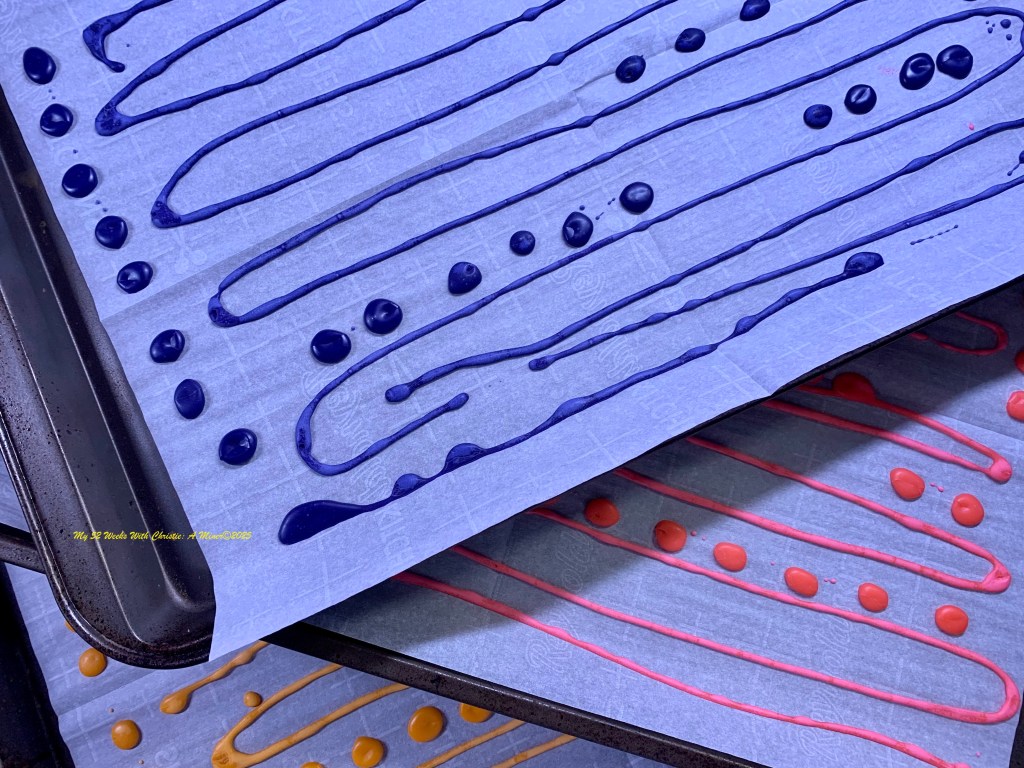
Inspiration: On a spring day not too long ago, I finally had the time and mental bandwidth to tackle a few new recipes, one of which was homemade sprinkles. Despite watching a baker on television make these tiny sugar-based decorations on an immensely truncated timetable, I felt their simplicity must be too good to be true.

It wasn’t.

Turns out sprinkles (or the name you feel most comfortable using) are dead easy to make. Five ingredients plus time — that’s it. Well, and some space to let the baking sheets sit unmolested by either a curious housemate or a stray fruit fly until they are dry.

The recipe I used came from here

The upside of freshly made sprinkles is they not only add a unique crunchy texture, but you can add extra flavor via these imperfectly perfect sugar toppings. Vanilla, lemon, cran-orange, ube…basically (almost) anything you can dream up, can put in sprinkles to enhance or compliment the base flavor of your bakes.

Helpful Hint From Me To You: You want to ensure your mixture remains on the thick side. If it’s too runny, you’ll encounter a similar problem I had when piping, i.e., flowing unbidden from the pastry bag in shapeless lines.

Not that this gaffe dampened the joy of making my own sprinkles! More importantly, be prepared for the question (if you live with someone else): Why is everything we own sticky?

Because powdered sugar, corn syrup, and water are extremely STICKY!

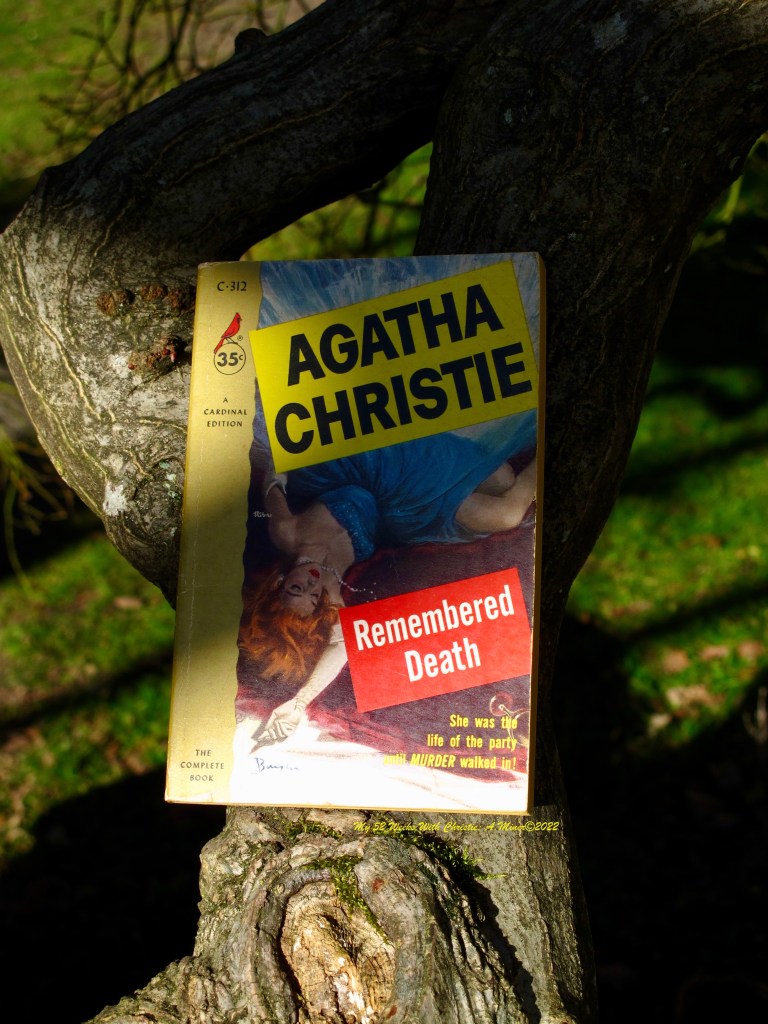
Agatha Christie: It’s easy enough to see, in one’s mind’s eye, Miss Marple, Tuppence, and Lucy Eyelesbarro patiently piping out sheets and sheets of hundreds-and-thousands for a Christmas pudding, birthday cake, or Halloween treats.

Making the confection in question just a tad more special.

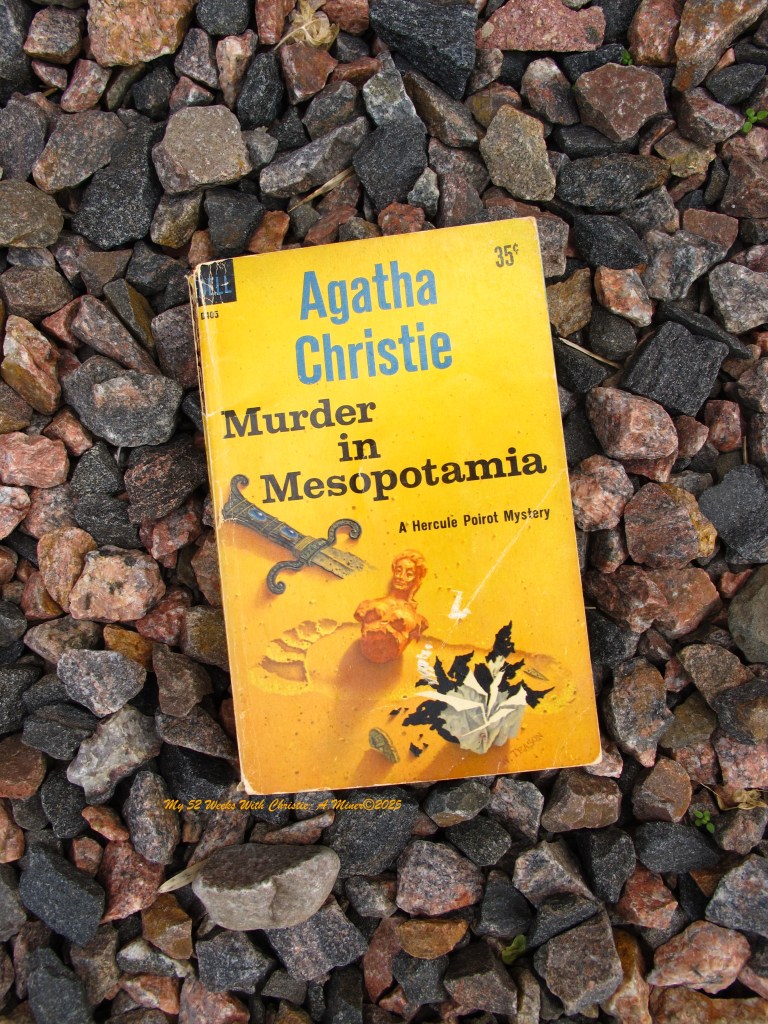
BTW: I’m not sure what exactly possessed me to pick Peril at End House for this photo (other than I liked the cover). Mainly because within the rolls of Miss Marple mysteries, there’s one that actually features sprinkles!

But we’ll get to that in a bit.

My 52 Weeks With Christie: A.Miner©2025
Cooking With Christie: Distractions

Inspiration: I don’t like to fly. 

Though, weirdly enough, I enjoy airports. All the different people mingling together, the opportunity to study them whilst standing in lines, and the eccentric selection of goods and services one can find leading to the terminals fascinate me.

I think this love stems from my parents taking me to watch airplanes take off and land as a small kid. On those evenings, when the terminals were quiet, I would tire myself out running hither, thither, and yon.

And all it cost was the price of a partial tank of gas.

Of course, these were the days before you needed a ticket to pass beyond the TSA’s metal detectors.

Interestingly, my first-ever flight didn’t frighten me at all. In point of fact, I found it exhilaratin, probably because the Captain spotted a pod of blue whales swimming in the Pacific Ocean and tipped the plane so we could see them too! Even thousands of feet in the air, these sea-faring mammals were monstrous in size, and I cannot help but thank this unknown Captain for showing them to us.

However, sometime betwixt my 18th and 23rd birthdays (when I took my second flight), this wonder transformed into terror — that I’ve yet to shake….Despite boarding a plane about once or twice a year. (Until Covid, when my long-range travel came to a standstill.)

In any case, since then, I have discovered a few tricks to get me onto the plane. One of which is providing myself with something to look forward to on the other end. This helps curtail a nearly irresistible impulse to bolt from the plane, down the terminal, and out of the airport while declaring, “This is my new hometown now.” (When flying home.)

In this instance: Golden, Colorado.

Though a wonderful city, this sea-level girl did not exactly thrive at altitude. And yet, I still needed something besides my own bed to get my sneakers to stay still.

Then, King Arthur Baking Company sent me an email about a sale on their baking supplies.

Inspiration and credit card in hand, I ordered a modest assortment of specialized ingredients from their website. Amongst which was a bag of Harvest Grains Blend, which included a recipe for a new-to-me type of bread.

And it turned out beautifully.

Despite needing to substitute actual milk for powdered milk called for in the recipe, which I didn’t have on hand. And, since I was already straying off the beaten path, I swapped malt powder for white sugar. Since my palate thinks the flavor of malt pairs better with wheat than plain sugar. (I also used their Climate Change wheat blend, which paired beautifully with the grains and malt.)

Nutty and full of flavor, it made excellent sandwiches!

Christie: Speaking of sandwiches…..I think Captain Hastings and Inspector Japp would appreciate this loaf. Especially since I see both men as sandwich enthusiasts. Japp, whilst he staking out a person or place for either Poirot or his superiors. Unsurprisingly, I think Hastings would do the same whilst helping Poirot. Though, as an added wrinkle, I can also see Hastings making a sandwich or two for dinner during his bachelor days!

Mystery Review: Anime Edition

Okay, so here’s the deal: Due to my dyslexia, I find it nearly impossible to read manga. Despite my best efforts, reading from right to left causes my brain to rebel, thanks to the tips, tricks, and strategies my primary school teachers ingrained within my little grey cells. 

This inability is truly frustrating, as there are so many first-rate manga books to read, like Hellsing (which I’m well aware is old, but I still adore it) Delicious In Dungeon, or One Piece.

Though I can’t read manga, happily, there’s anime based on these books.

Most recently, I discovered two mystery based anime series on Netflix, which I absolutely adore! The first is Sakamoto Days. (A show I thought I reviewed in a prior post, but according to the search engine attached to my and the shop’s blog, I apparently have not.)

Above and beyond the fantastic art and the marvelous voice acting work — the storylines are highly engrossing. 

Within each episode: You’ve got the problem Sakamoto and his family need to sort out, the ever evolving interpersonal relationships of the aforementioned expanding family. Plus, the mystery of who put a contract out on Sakamoto’s life and why. As well as the enigmatic Slur, whose motives, aims, and connection to the big man himself are presently unknown. And…and…and…There are so many more riddles, secrets, and question marks that need unraveling that I find Sakamoto Days spellbinding!

Thus, I highly recommend that you give Sakamoto Days a whirl.

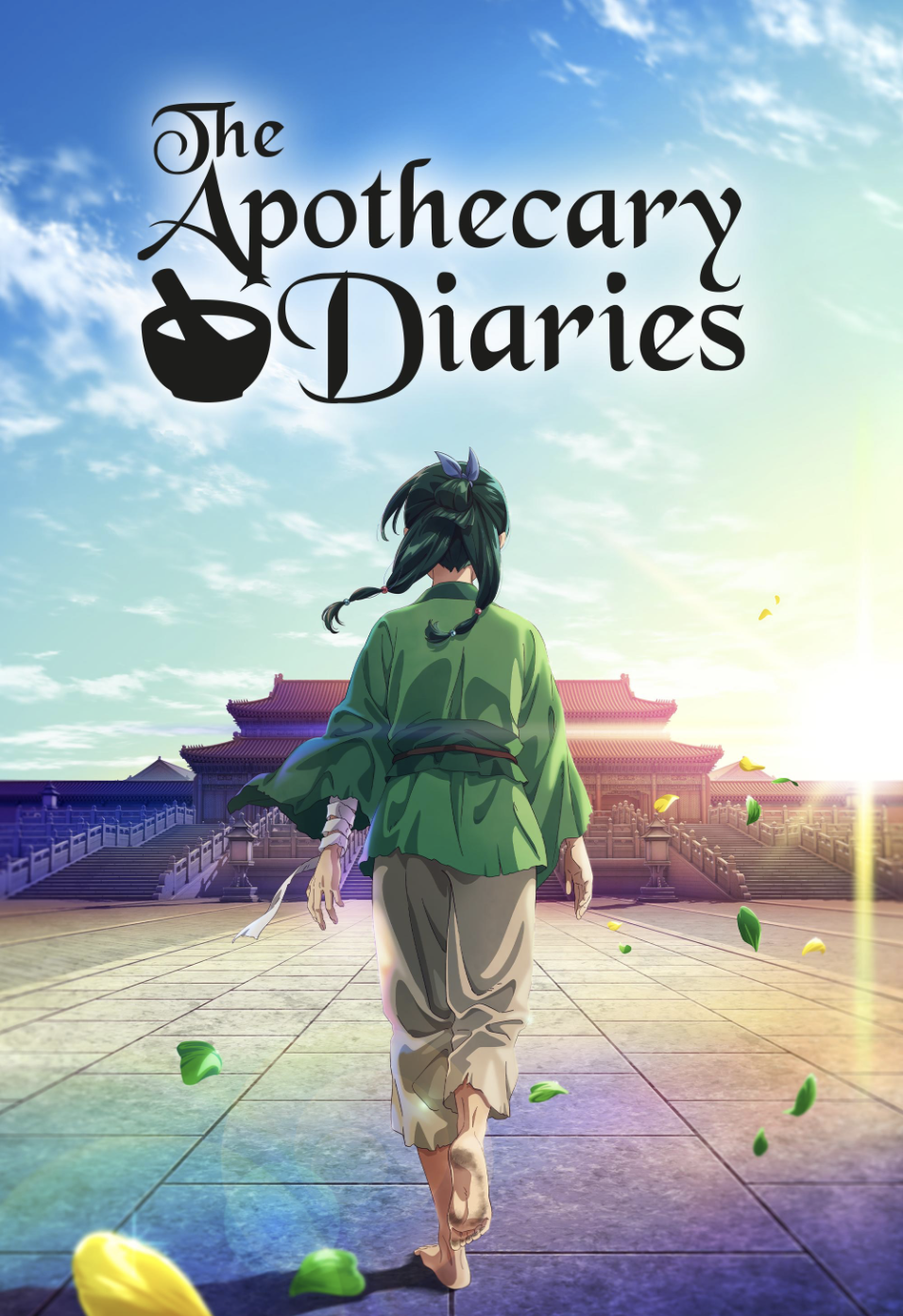
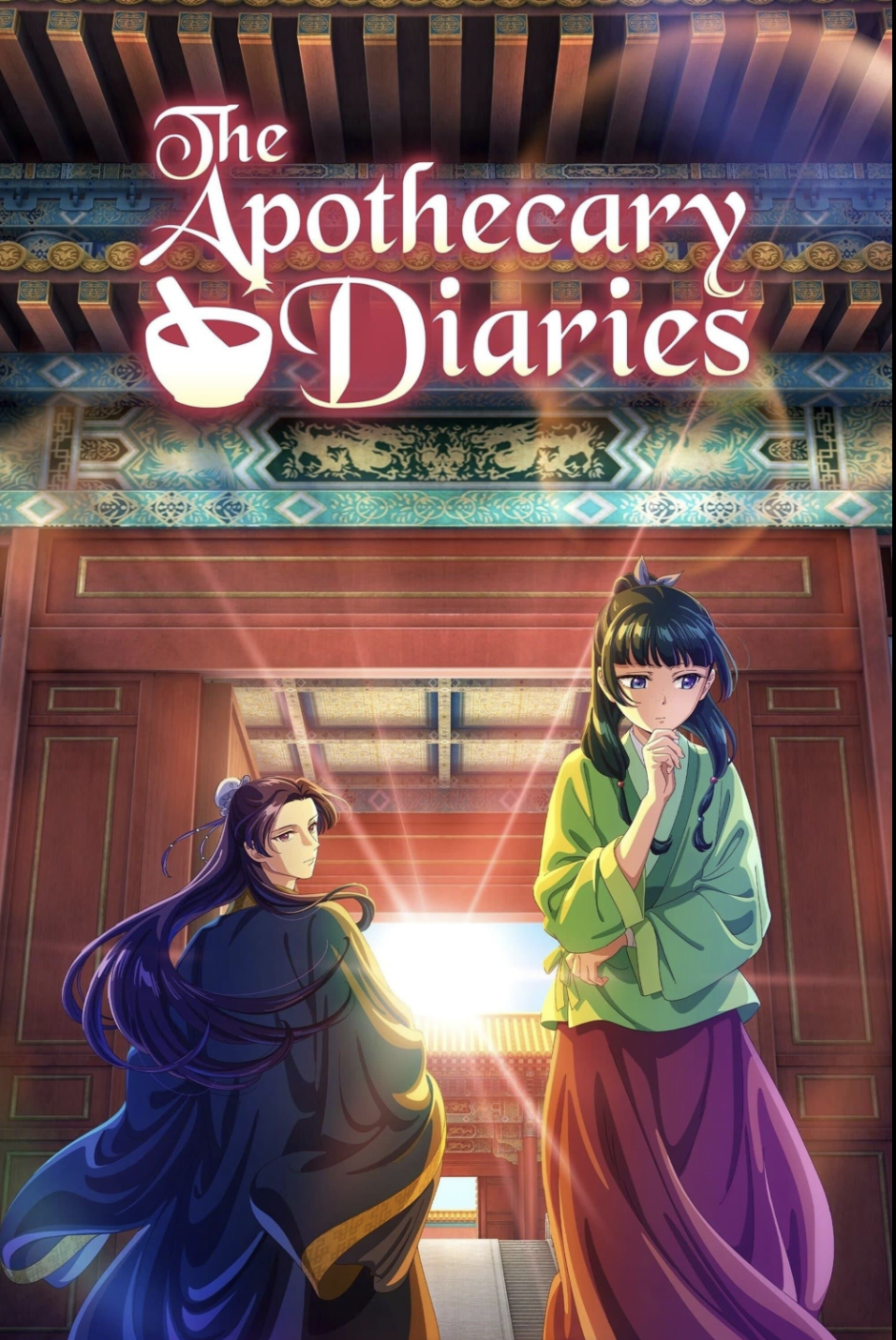
The second anime series I stumbled upon on Netflix is The Apothecary Diaries

Set in a fictional kingdom meant to resemble Imperial China around the Tang Dynasty (according to Wikipedia), The Apothecary Diaries revolves around a girl named Maomao. 

Within minutes of our introduction to Maomao, she’s kidnapped by bandits and sold into service in the Emperor’s Rear Palace, where the ruler’s concubines, their ladies-in-waiting, eunuchs, and their female servants live. 

Originally, Maomao meant to keep her head down, do her work, and serve out her contract. However, when two of the Emperor’s favorite concubines and their newborn babies become ill — she cannot stand idly by. Deducing the root cause of their illness thanks to her deductive powers and apothecary training, amongst the many skills acquired from her father’s teachings, Maomao does her best to save them….at the expense of her anonymity.

And the series takes off from there. 

What I relish about The Apothecary Diaries is the sheer variety of storylines. Though Maomao is enamored with poisons, and poison does play a hefty role in the series, The Apothecary Diaries isn’t strictly a murder mystery. Due to the setting, there’s a ton of political intrigue happening in and around Maomao. Moreover, the relationships between the characters grow increasingly complex as the show progresses, which adds intriguing layers as events unfold.

Again, I highly recommend this series to anyone fond of watching female-centric, loosely historical-ish stories where plants, food, and palace plots often come into play.

However, here’s the thing: there’s always a thing. 

Whilst I adore Sakamoto Days & The Apothecary Diaries, and they are indeed animated — I would recommend parents of kids under, say, about 14 watch the shows before their kids do. 

These shows are geared towards adults, and as such, they don’t pull their punches (pun intended). Sakamoto Days contains an abundance of violence, which is unsurprising since Taro Sakamoto is a retired hitman. The Apocathary Diariescontains subtle bullying, nuanced sexuality, and some understated violence. All of which some parents might not want their kids introduced to at insert age here — hence my recommendation.

However, for those of you who’ve reached their legal majority!

My 52 Weeks With Christie: A.Miner©2025
Cooking With Christie: Mustard

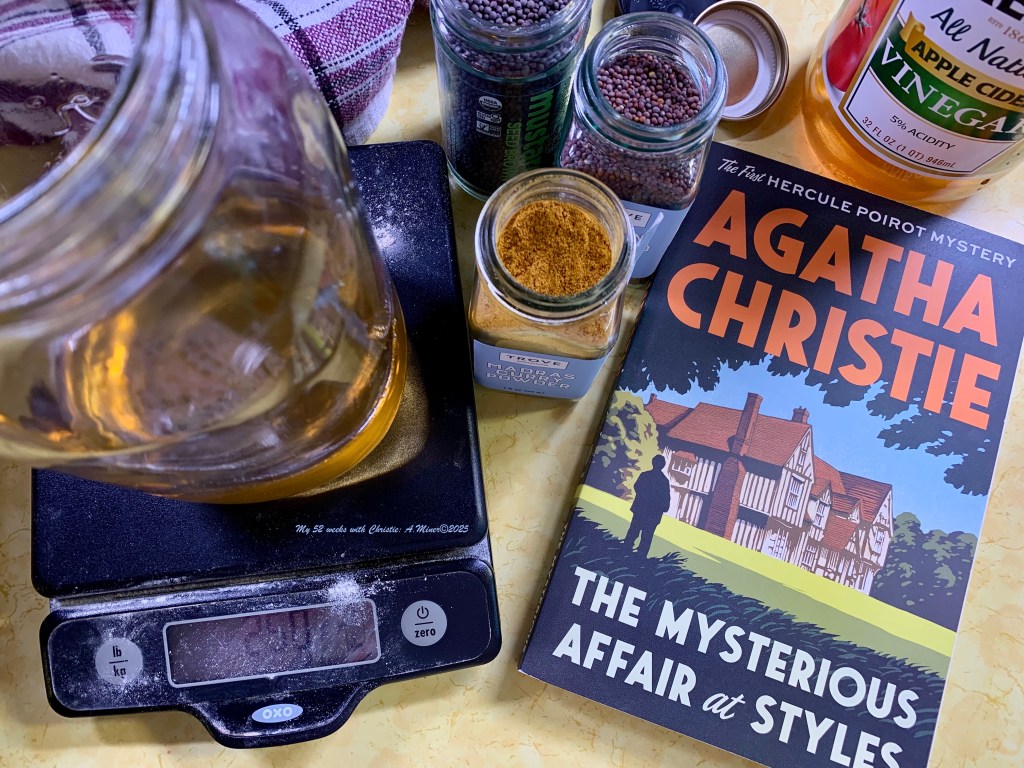
Inspiration: Whilst shopping in my favorite spice shop, I spotted several bottles of mustard seeds and vaguely recalled a homemade mustard recipe I’d glanced at in one of my cookbooks. So I grabbed bottles of yellow, brown, and black seeds.

After taking a closer look at the Spicy Brown Mustard Recipe Master Recipe in Joseph Shuldiner’s The New Homemade KitchenI discovered mustard is dead easy to make.

Seriously. 

Seeds, salt, spices, vinegar, and time. That’s it. And let me tell you, it smells and tastes great! I highly recommend giving this condiment a whirl, as watching the seeds slowly absorb the vinegar is wild!

Helpful Hint from Me to You: Though the recipe says you can blend the seeds in a blender to create the finished product. Unless you own one of those fancy high-speed ones (and even then, I’m not sure as I don’t own one myself), this is the wrong tool for the job. 

Choose the food processor option! 

Otherwise, you could end up like me with a kitchen inexplicably covered in clumped-up seeds, despite the care taken when transferring the concoction from vessel to vessel!

Next: Halve the recipe. 

Until you get the flavor combo to your liking, at least, as it turns out that this particular recipe makes about two and a half cups of the finished product. 

Now, if you go through this whole-grain mustard like water, then the sheer volume this recipe produces isn’t a problem. However, if you don’t, it makes noodling with the recipe challenging.

One Last Thing: In future batches, on top of the aforementioned halving, I’m going to double the amount of Madras Curry Powder added (the additional flavor I chose for this trial run). Turns out, the spiciness of the brown mustard seeds and the tang of the apple cider vinegar wholly overshadow the curry powder. (i.e., I can’t taste it.)

Agatha Christie: Honestly? I can easily see Miss Marple, Tuppence, and Superintendant Battle making their own mustard…And closely guarding their version’s recipe! 

Can you imagine trying to crowbar the list of secret ingredients from any one of them? And even if they did, finally, relent….Would they actually hand over the complete list or hold one or two back?

My 52 Weeks With Christie: A.Miner©2025