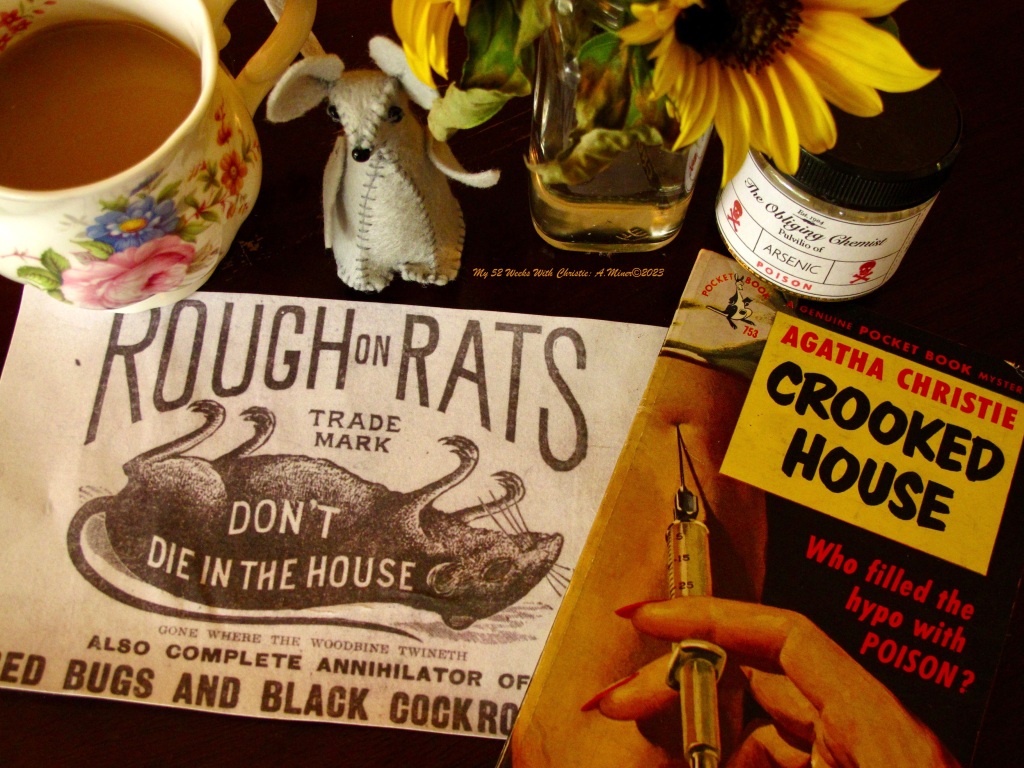
Rough on Rats: Who Really Put the Arsenic in the Coffee?

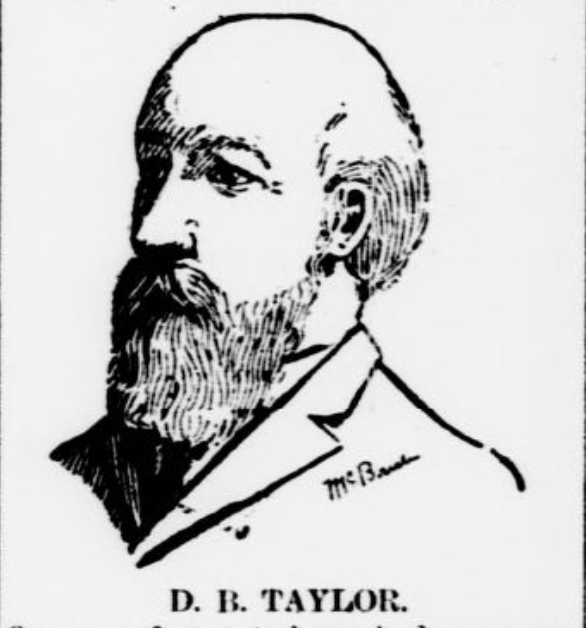
Whilst there weren’t any reports of jiggery-pokery in Gertrude’s trial, there are several odd discrepancies when you compare Gertrude’s single unguarded statement to a reporter against her, Robert, Laura, and (her mother) Sarah’s subsequent testimony.

Ignoring Gertrude’s denial of adding Rough on Rats to the coffee pot, the first disparity between this newspaper clipping and courtroom testimony comes when Gertrude explains what prompted her to buy the box of Rough on Rats. Above, she claims her father sent her to the drugstore to buy the rat poison. In the courtroom, Gertrude switched her story, stating the purchase was made because the night before the murder, her mother commented on how “rats {were} going to take the place.” A statement Sarah, her mother, corroborated under oath. 

So, which is true? 

Did her defense team decide to put forth the trial version, as it had someone who could truthfully attest to its accuracy and doesn’t wholly negate Gertrude’s initial statement to the paper? Or was a convenient circumstance, recalled later, used to mask Gertrude’s childish revenge plan? And if you owned two reasonable explanations for purchasing the poison, why keep mum during Dr. Kaltenbach and her Aunt’s initial inquisitions? Unless you hadn’t anything other than the ugly truth to tell….

However, the most telling inconsistencies betwixt Gertrude’s unscripted answers and later testimony occur over the family’s upright organ and Gertrude’s state of mind. 
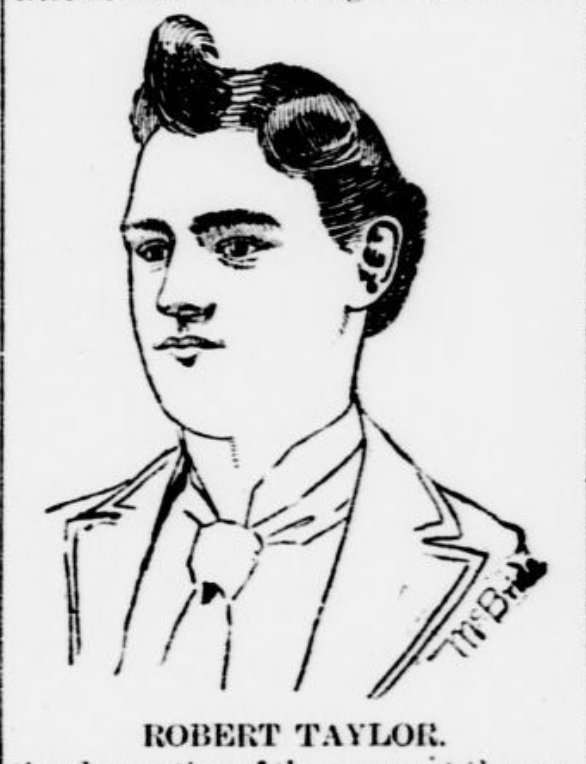
1) Robert: “…no trouble existed between himself…and Gertrude or between his wife and Gertrude….we never had any trouble about the family organ, and had no intention of removing it, from the home of my parents…

—— I suppose it’s just possible that a newly married older brother could’ve been entirely oblivious to his younger sister’s upset….. 
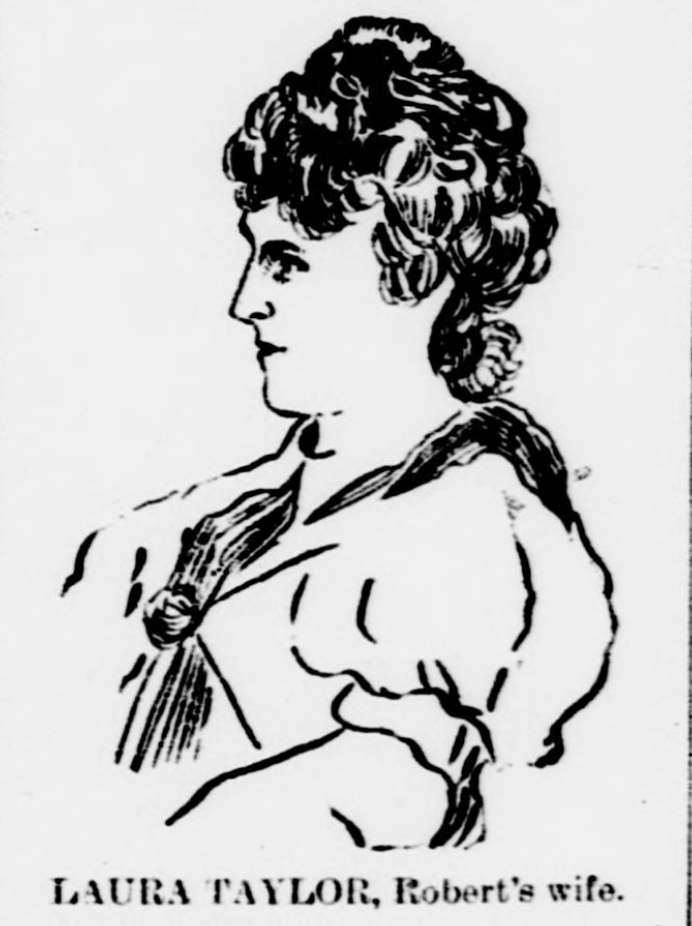
2) Laura: “She seemed envious at times, but this lasted only a short time, and there was no positive enmity between them….Her husband had stated to her that he did not intend to take the organ with them….

—— ….Laura, however, was not oblivious to Gertrude’s jealousy, which conflicts with Robert’s rosy view of their relationship with Gertrude. I also find it difficult to believe Laura didn’t bring up Gertrude’s envy issues with her husband. Because, in theory, he’d have a better idea of how to handle a green-eyed little sister.

Moreover, I think this bit, “Her husband had stated…he did not intend to take the organ…” is a potential lie by omission as Laura’s not revealing her intentions on the organ but simply regurgitating her husband’s. Yes, I know at that point in time, a wife was expected to abide by her husband’s decisions…..But this calls to mind an axiom from My Big Fat Greek Wedding — “The man is the head {of the family}, but the woman is the neck. And she can turn the head any way she wants.” 

3) Sarah: “…Gertie always treated her father as well as any child could. There had never been any trouble between members of the family or children only what would naturally arise.”

—— A belief Sarah could’ve held right up until she poured the poison-laced coffee that night.

On the whole, the testimony of Gertrude’s kin successfully contradicted, or at least partially mitigated, Gertrude’s spontaneous answers on March 20th (above) — and weakened the motive of jealousy the prosecution was trying to establish as the basis for the murder. Though, frankly, I believe Gertrude’s off-the-cuff answers hold more honesty than those of her relations. I think her family split hairs and told what was technically true in order to keep Gertrude from the gallows. 

(And yes, I do believe the prosecution would’ve sought the death penalty against the thirteen-year-old — as five jurors were excused from service due to their “conscientious scruples” against a sentence of death. Hauntingly enough, one of the newspaper articles I found advertised that if Gertrude had been anything other than an attractive young girl, the townspeople would’ve lynched her for allegedly murdering Dillon Taylor. 

Especially since the townspeople of Craig found Gertrude’s unscripted admission of anger and hate tantamount to a confession. On top of this,  Gertrude’s utter lack of emotion and concern at being accused of patricide during her court appearances didn’t help her cause either. A situation Gertrude later remedied by breaking down and weeping whilst on the stand, in front of the all male jury, during her trial.)

In any case, mitigating Gertrude’s motive is all well and good, but her defense needed more. They needed to give the jury an alternate, credible explanation the twelve men could use to find Gertrude not guilty.

The only problem was the classic formula of offering a substitute suspect for the jury to blame wouldn’t work in this case. The only outsider to enter the Taylor home that day was Tyler Cristman, and despite choosing of milk over coffee that evening (the near identical choice Gertrude made, which landed her in the hot seat) — it doesn’t seem anyone ever considered him a suspect in Dillon’s murder. Moreover, during Sarah’s testimony, she stated no one other than Tyler entered their house that day. 

Leaving Gertrude’s attorney only the immediate family to offer up in Gertrude’s place….

Speculation on the Baseness of Human Behavior à la Miss Marple: Sex & Money: Interestingly enough, of these two archetypical motives for murder, Sarah owned half of this quintessential duo — inheriting $100,000 worth of land upon Dillon’s death. 
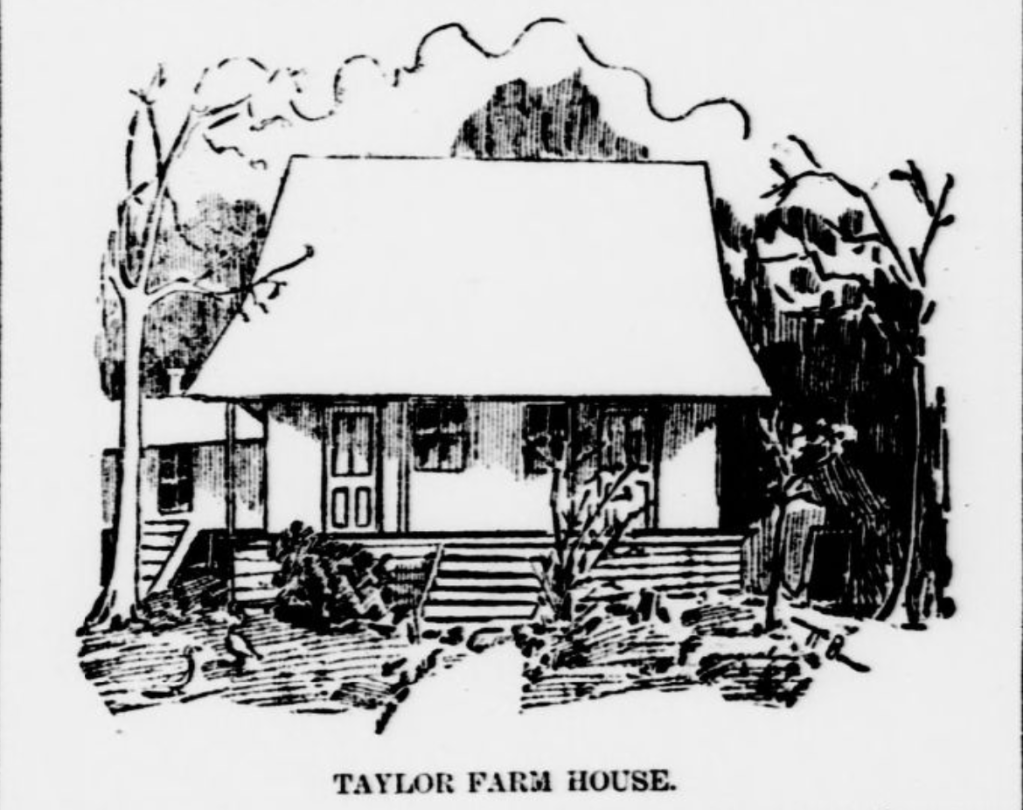
As for the sex? Perhaps Gertrude correctly recognized her father’s shift of affection but misidentified from whom they moved. Not realizing, in the throws of egocentric youth, Dillon hadn’t transferred his affections from her — but from his wife to his daughter-in-law? If Dillon and Laura started an affair, it would explain why he refused to relent to Gertrude’s pleas over the organ.

BTW — I’m not pulling this theory from thin air.

While both women possessed the opportunity to put the poison in the coffeepot — Gertrude passed through the kitchen when she returned home from her trip to the drugstore, and Sarah prepared supper that night, alone…It was Sarah who poured everyone’s coffee that evening. An ordinary act that could’ve allowed her to guarantee her husband received a lethal amount of arsenic whilst administering smaller doses to herself and the rest of her family. (Hence why only Dillon died. While Robert & Laura recovered a week later.)

Thanks to Asa Sharp’s testimony, we know he kept a store of arsenic on his farm and used it frequently. This could explain how Sarah got ahold of the dangerous element without linking her name to a purchase record. What’s more chilling? Thanks to the bevy of highly publicized poisoning cases, the rodenticide’s main ingredient was less than secret. So what if Sarah purposely prompted her daughter’s purchase of Rough on Rats? Banking on Gertrude’s youth & good looks, her parent’s influence, and her brothers’ money to get her daughter cleared of all charges.

Can you imagine how wild A.C. & Arthur Sharp would’ve become if Gertrude’s attorney presented Sarah as his alternative suspect? Or Robert? Who, according to his own testimony, was alone in the kitchen when Gertrude arrived home — giving him at least the opportunity to put arsenic in the coffee pot.

As it was, Gertrude’s legal team found an entirely different pretext to present to the jury. In an oddly serendipitous event, one week before Gertrude’s trial started, two farmhands found a box of Rough on Rats right around the area where Gertrude told her Aunt she’d lost it. Not only was the box appropriately weathered, having spent nearly two months exposed to the elements — it still bore the druggist’s wrappings.

This piece of evidence, combined with her family’s measured testimony, allowed the jury to reach a not-guilty verdict in less than two hours. 
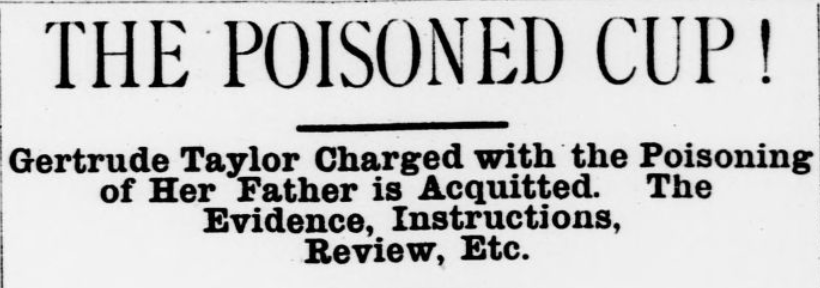
Leaving Dillon Taylor’s murder, as far as I can tell, unsolved to this day. 

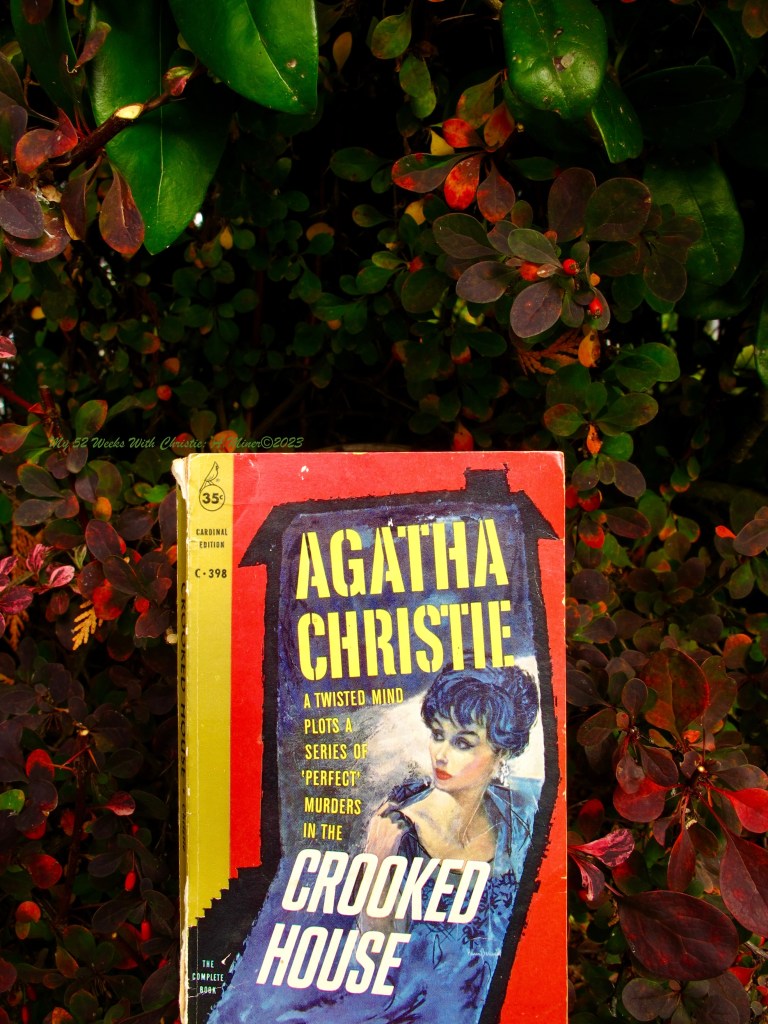
An outcome that I find just as insupportable as Sophia Leonides from Crooked House would’ve. Because how can you ever feel safe amongst your nearest and dearest again? Every sugar cookie at Christmas, each pie eaten at Thanksgiving, every piece of candy procured from a family member at Halloween holds a potentially poisonous center — and it’s not paranoia at play here — one of your next of kin proved themselves capable of committing such a dastardly deed. 

What’s to stop them from striking again?

What’s to say they won’t follow Josephine Leonides’ example and kill anyone who crosses them? Or years later, they let something slip, panic, and murder again to cover their original sin? What if one of your fam follows Edith de Haviland’s example but gets it wrong? Or someone, eaten up by uncertainty, sends both the innocent and guilty to the grave — just to stop the relentless spiral of anxiety and dread?

Whilst sitting here and writing this piece, I can better appreciate why so many of Christie’s detectives (or people close to them) need to find the culprit in manor house mysteries — which, weirdly enough, the very non-fictional murder of Dillon Taylor neatly slips into. It creates a cloud of suspicion that forever clings to those involved, like so much smoke that not even death can fully dissipate.

Don’t believe me?

What if I were to tell you Robert Taylor committed suicide on March 30, 1930? Now, there’s a myriad of reasons why he could’ve hung himself: depression, familial estrangement (in 1889, two years after Gertrude’s trial, he sue his mother and siblings – including his 6yr. old sister Nancy, — for what I don’t know, but it doesn’t speak of happy families), or cancer diagnosis (a disease that claimed his younger brother Duke’s life nine years later). 

But doesn’t a tiny part of you wonder, after thirty-four years and twenty days, if his guilty conscience finally caught up with him?

As for Gertrude, she married sometime around 1900-1901 to a man named Marcus Spencer. They had a daughter about 1903 and another two years later. Gertrude was widowed on August 30, 1915, after her husband died of TB (a disease which, apparently, killed his two sisters and brother before him). Gertrude herself passed away on September 12, 1958, from a cerebral thrombosis at the age of 76.

And, despite all my research, I am none the wiser to who actually murder Dillon Taylor. I lean toward Gertrude, but really her original indictment is based solely on Dr. Kaltenbach’s misgivings and one imprudent interview. And, as we’ve seen in other cases, we don’t know how closely the police looked at the other people seat at the supper table on March 10, 1896….

Leaving open the possibility someone other than Gertrude assassinated Dillon Taylor.

My 52 Weeks With Christie: A.Miner©2023

Rough on Rats: One Doctor’s Suspicions

Dubious of Gertrude’s lucky escape, Dr. Kaltenbach swiftly sussed out Gertrude’s choice of water over coffee was inconsistent with her regular suppertime eating habits. With this nugget of knowledge stuck in his craw, Dr. Kaltenbach continued to care for the rest of the poison-stricken Taylor family — who now needed to contend with making funeral arrangements for their patriarch, Dillon. And whilst they and the extended family handled those details — Dr. Kaltenbach quietly started piecing together a case against Gertrude. 

Knowing he’d need more than his gut feeling and deductions to accuse any member of such an influential family, especially a thirteen-year-old girl, Dr. Kaltenbach set about confirming the coffee was indeed how the poison was administered.

Now For a Deduction On My Part: Whilst the gold standard in detecting arsenic, the Marsh Test, had been around since 1836, there’s a good chance a small-town general practitioner had never performed it. It’s also equally possible Dr. Kaltenbach simply didn’t have the time to conduct the highly sensitive test — as he’d seven or eight seriously sick people to treat whilst trying to keep a weather eye on his prime suspect and the extended family from entering the sickrooms (just in case he’d honed in on the wrong person).

Either way or both, Dr. Kaltenbach decided he only needed to prove poison was present in the coffee for the inevitable inquest into Dillon Taylor’s death, so after securing and spiriting away the leftover coffee from the pot and its dredges for later analysis. He then poured the remnants from the family’s coffee cups into the slop buckets of three hogs and fed them the adulterated mash. When the poor piggies exhibited the exact same symptoms as those experienced by the Taylor family and died — Dr. Kaltenbach knew he’d proven the first portion of his theory.

Which, of course, led to the inevitable question: Where did Gertrude get the arsenic?

Assuming he’d a quiet nose around the obvious places one would store caustic chemicals in a home, without finding any, Dr. Kaltenbach moved on to the next obvious means of acquisition — the town druggist. Turns, mere hours prior to the mass poisoning, Gertrude visited the drugstore and bought a bar of soap and a box of Rough on Rats.

With the druggist William Butts’ information in his hip pocket, Dr. Kaltenbach confronted Gertrude.

At first, Gertrude lied and flat denied possessing Rough on Rats. When Dr. Kaltenbach pressed further, telling her he knew she’d bought a box, she eventually admitted to the purchase. With that established, Dr. Kaltenbach asked where it was, and Gertrude told the doctor she’d secreted it away upstairs. Sending her to fetch it so he could (presumably) inspect how much of the rat poison remained — Gertrude left and never returned. A short time after he’d been left hanging, Dr. Kaltenbach asked Gertrude’s Aunt, Mrs. Ada Sharp, if she could get Gertrude to divulge the information. A task which Mrs. Sharp was only partially able to complete as Gertrude refused to tell her Aunt why she’d bought Rough on Rats, though she did confess to losing the box on the way home.

Armed with all this information, Dr. Kaltenbach related what he’d found out and witnessed during the Coroner’s Inquest held on March 17, 1896. This, in turn, resulted in the exhumation of Dillon Taylor, who’d been buried four days before, for a post-mortem. (During which Dillon’s stomach was removed for chemical analysis….Said testing was performed around May 5, 1896, and the chemist found not only arsenic but powdered glass in Dillon’s organ as well. When the chemist compared what he’d discovered in Dillon’s stomach to a box of Rough on Rats, purchased specifically for this test, the results aligned perfectly. As the fresh two ounce box of Ephraim Well’s rat poison contained about one ounce of powdered arsenic and the rest was powdered glass and starchy substances. The chemist went on to posit each cup of coffee contained about 20 to 24 grains of arsenic — more than enough to kill a man.)

The coroner’s jury also returned a verdict naming Gertrude as the one responsible for her father’s death.

On March 19, 1896 — Gertrude was arrested.

Thanks to a few remarks made to the press prior to the hiring of defense lawyers — we learn that Green Taylor, Dillon’s brother, “….was determined to sift the crime to the bottom and to prosecute the guilty person to the end.” To my ear this sounds a lot like a man who has a doubt or two about his niece’s innocence — but is smart enough to only allude to them when speaking with reporters. However, unlike Edith de Haviland, whose clarity of sight and strength of character allowed her to see what the rest of her family couldn’t or wouldn’t admit to themselves and then act on it, Green Taylor either ended up holding his tongue when he realized thirteen-year-old niece might hang or was persuaded into swallowing Gertrude’s story. 

Whichever way, by the time Gertrude went to trial in May of 1896, Green Taylor sat with his other brother in the court — supporting his niece.

If any influence was exerted on Green Taylor, to shift his stance at least in the public eye, was undoubtedly brought to bear by Gertrude’s other Uncles — A.C. & Arthur Sharp, Gertrude’s mother’s brothers, and most vocal supporters. Not only would they not listen to a word said against their niece, they paid the thirteen-year-old’s $1,000 bail (about $36,000 in today’s money), financed her defense, and told a reporter Gertrude “…would never be convicted if money can save her.” 

As the entire Sharp family was extremely wealthy and prominent in Missouri society — this wasn’t an idle boast. 

My 52 Weeks With Christie: A.Miner©2023

Rough on Rats: The Alleged Cimes of 13yr. old Gertrude Taylor

A jealous hate is different—that rises out of affection and frustration…..I think people more often kill those they love than those they hate. Possibly because only the people you love can really make life unendurable to you.” (Pg. 113)

This Crooked House quote references the real-life case of Constance Kent. Who, at the age of sixteen, took her nearly four-year-old half-brother Francis to the outhouse in the middle of the night and slit his throat….Not because she didn’t love him, but on account of her father — who experts suspect shifted all his affections from the children of his first marriage (Constance) to those of his second (Francis). This changeover provided ample food for the green-eyed monster within Constance to feed upon until that fateful June night when she finally lashed out in revenge. Whilst this is a vast simplification of the circumstances leading to Constance Kent’s penultimate act, it gives you an idea of the point Charles Hayward’s father was trying to make about ‘jealous hate’.

Interestingly enough, if you make a ven diagram with Constance Kent’s motives (jealous hate & revenge) in one circle and Crooked House’s black hat Josephine Leonides’ in another (the puerile rage at being denied ballet lessons) — you’d discover within the overlapping area the alleged crimes of Gertrude Taylor.

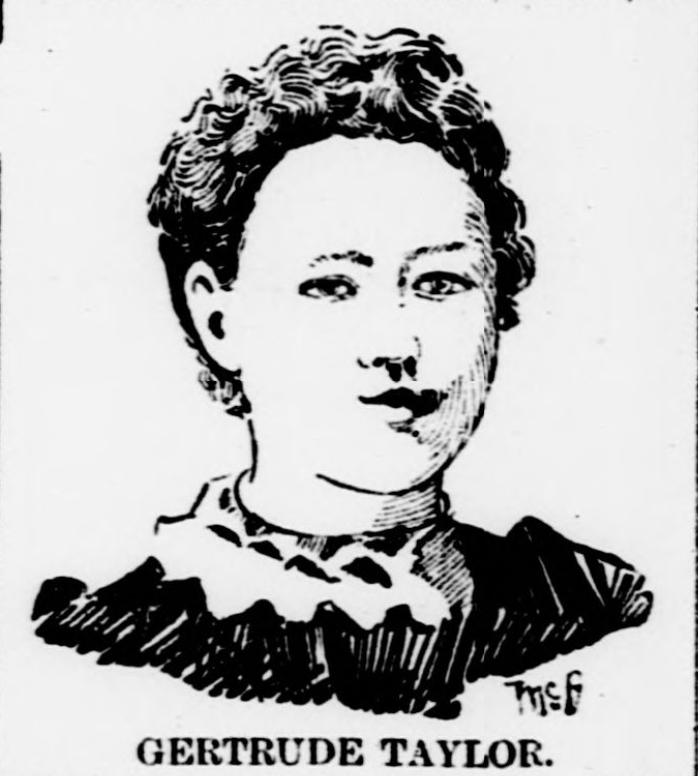
Gertrude Taylor (13 yrs) sat smack dab in the middle of Dillon Taylor and his wife Sarah’s brood with two older brothers (24 & 15), one younger brother (11), and a younger sister (4). Between her whipsmart brain, good looks, and status as the eldest daughter — Gertrude was the apple of her father’s eye.

Then came October 1895.

Gertrude’s eldest brother, Robert, married Laura Varnes. Following their nuptials, the newlyweds settled into Robert’s parent’s household — a circumstance everyone knew was temporary as Dillon promised to build them a house somewhere on his farm the next spring. As one of the largest landholders in Craig, Missouri, as well as one of its most prominent families, Dillon and his wife had more than enough space and money to give the couple such a generous gift. 

No big deal…Except…In Gertrude’s eyes, her status as eldest daughter eroded to a certain extent with the addition of Laura to the Taylor family tree. Reading between the lines, it appears Dillon went out of his way to ensure Laura felt welcome, probably hoping it would smooth her transition into his household and into marriage with his son. Knowing his Gertrude enjoyed receiving gifts, Dillon employed a similar tack with Laura, and one afternoon, when in town together, he purchased both her and Gertrude new capes. An occasion Dillon apparently thought nothing of, yet bred resentment in Gertrude — who did not enjoy sharing the spotlight with her new sister-in-law.

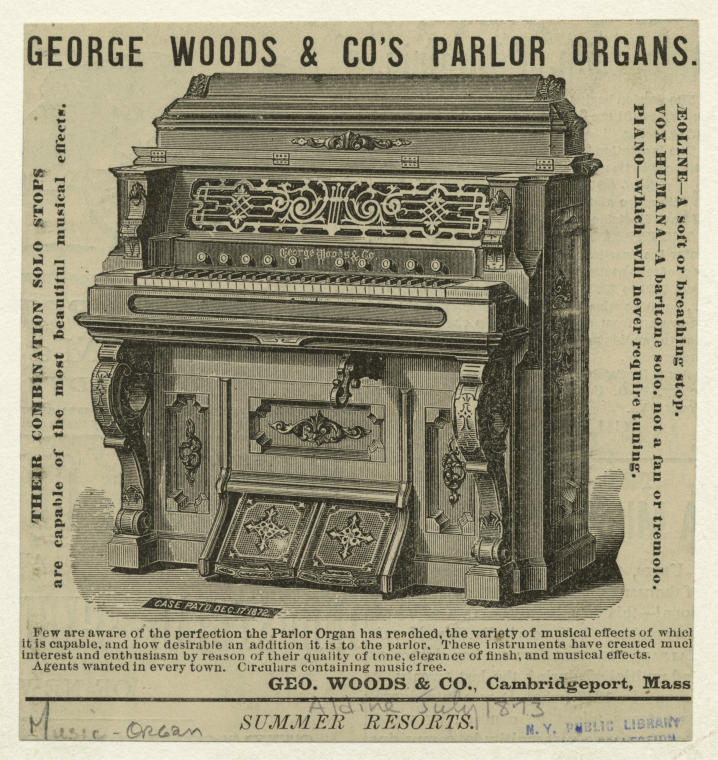
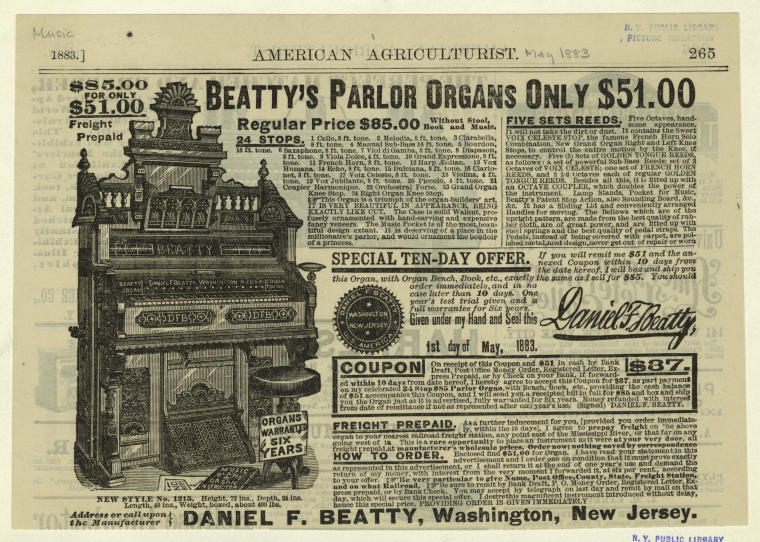
Compounding Gertrude’s rapidly souring situation, at some point between October 1895 and February 1896, Dillon gifted the family’s upright organ to Robert and Laura. Not wanting her sister-in-law to take the instrument away when she moved house, Gertrude begged her father to change his mind — she even threatened to leave home and live with her Aunt should the continue to “be mean to her”.

Yet, Dillon remained steadfast in his decision.

(It’s unclear if either Gertrude or Laura played the instrument. However, according to reports, Dillon usually gave Gertrude whatever she wanted. And his refusal to relent in this particular instance make me suspect Gertrude enjoyed noodling around on the instrument whilst her sister-in-law knew how to play it properly.)

Unsurprisingly, her father’s failure to yield solidified Gertrude’s growing belief that Dillon now favored Laura above herself. A situation that would hurt anyone, but for a thirteen-year-old — it would feel unbearably unfair.

Though the exact straw broke the proverbial camel’s back remains a mystery, we know events came to a head on March 10, 1896.

That evening at the supper table, Sarah worked her way around the two tables (one for the adults and the other for the kids — the latter of which Gertrude sat at), pouring coffee into everyone’s cup. Noting the unusual aroma wafting from the pot, Sarah commented on it, and everyone agreed with her assessment. Then, of course, the entire party took a sip and discovered the liquid tasted unusually bitter as well. Chalking up the odd taste to the grinder not being adequately cleaned after milling peppercorns — everyone continued consuming the coffee….until it began burning their throats.

Within minutes, everyone started feeling massively ill. 

Suspecting his family had been poisoned en masse, Dillon asked his dinner guest, Tyler Cristman, to fetch a doctor. (As Tyler had drank milk with dinner and only sipped the coffee when everyone started complaining about it, the gut-wrenching sickness afflicting everyone else took longer to present itself in him.) By the time he returned with Dr. Kaltenbach in tow, the entire Taylor family was crippled with stomach cramps, nausea, and vomiting. After hearing about the strange tasting coffee, Dr. Kaltenbach agreed with Dillon’s theory and deduced they were suffering from acute arsenic poisoning. 

The good doctor also noticed one member of the ill-fated dinner party who failed to show a single sign of sickness — Gertrude. Seems she’d eschewed the coffee, in favor of a glass of water on this particular evening.

This observation and explanation set wheels into motion.

Not willing to take any chances with a potential poisoner in the house, Dr. Kaltenbach not only secured the aid of a couple of other local doctors (allowing for better care whilst adding extra sets of eyes), he barred nearly everyone from visiting the afflicted (including Gertrude and the majority of the extended family). Dr. Kaltenbach even went so far as to lock the sickroom’s doors. 

Sadly, despite his best efforts, Dillon died less than twenty-four-hours later.

My 52 Weeks With Christie: A.Miner©2023
Rough on Rats: Crooked House, Kids Who Kill & Two Motives

From the Office of Spoilers: If you’ve not read Crooked House by Agatha Christie, I suggest you do — then read my vintage true crime posts as one directly impacts the other. However, if you’ve no qualms with knowing the ending of a book before you begin it, read on. Either way, you’ve been warned.

Now, on with the show.

According to experts, far more learned than I, Agatha Christie’s publisher, William Collins (of Collins Crime Club fame), found the ending of Crooked House so shocking he requested Christie change it. 

She declined.

By leaving the novel untouched, Crooked House now stands as one of the best twist endings in Christie’s entire catalogue of works (second only to The Murder of Roger Ackroyd — in my humble estimation). Though, on reflection, I’m not sure exactly why the revelation of Aristide Leonides’ murderer harkens such disbelief. Within moments of meeting our malefactor, they give us their motive; Charles Hayward’s Old Man practically spells out the whys & wherefores a few pages later, and Charles himself catches sight of the penultimate clue. Yet, for the past seventy-four years, the solution continues to blindside readers. And therein lies Christie’s cunning, the ability to mark and exploit our collective blindspots….…..Because how often, really, would you look at a kid and see a poisoner?

Turns out, more often than you’d think.

Some follow the pattern set by Crooked House’s thirteen year old baddie Josephine Leonides, whose motive for murdering her grandfather was his refusal to pay for her ballet lessons. By adult eyes, Josephine’s reason seems childish, and despite her being fictional — she’s not alone in this brand of flawed rationale. In my research for this set of posts, I’ve discovered kids who’ve killed because they were rebuked too often by their mother, because their father thwarted their ambition to become a train robber, and because they wanted to see if their “chubby” playmate’s insides resembled that of pig’s (that was a singularly gruesome crime).

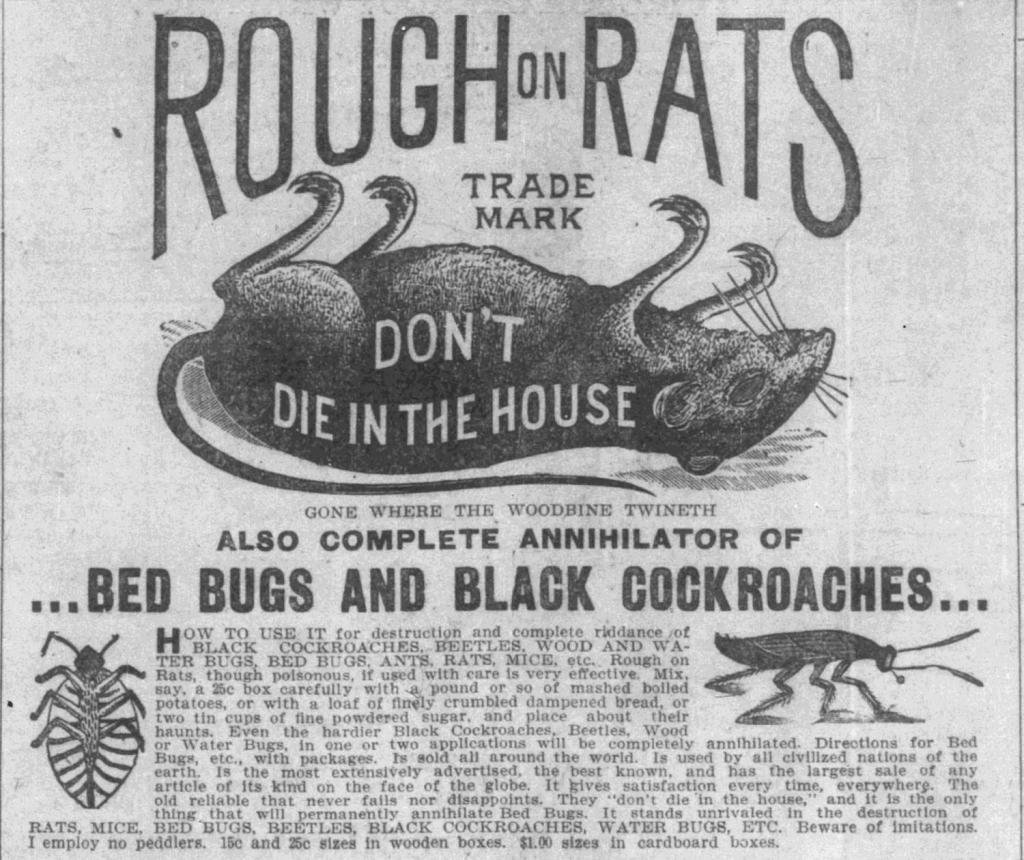
However, it’s the crimes of Gertrude Taylor, a case I’ll explore in more detail in this series, which reminded me forcibly of Josephine’s puerile impulse to pick up a bottle of poison. Not only did she target her nearest and dearest, but she did so so her brother wouldn’t take his upright organ with him when he moved house. 

Yet other kids find themselves following (roughly) in the obsessive footsteps of the Tea Cup Poisoner. 

Graham Young’s fascination with poisons not only led to an in-depth study into the subject, at the age of fourteen he started experimenting with them….on his family and friends. In some respects, Young’s diabolical deeds are unique. His ability to dazzle druggists with his knowledge to procure deadly substances like thallium, antimony, atropine, aconitine, and digitalis sets him apart from most other child poisoners. 

However, the overwhelming obsession that led to Young’s abominable “experimentation” is not. 

Seventy years before and across the pond, another fourteen-year-old named Ella Holdridge found herself utterly transfixed, not by poisons, but by death. Whilst her family and friends considered it an odd fixation for a young girl, no one thought much about it. Until the summer of 1892, when, due to a distinct lack of local funerals she could attend, Ella took it upon herself to supply the local churchyard with a fresh corpse….Another case I’ll cover in the next few weeks.

Above and beyond Gertrude Taylor and Ella Holdridge’s ages, alleged crimes, and underdeveloped moral muscles — one more feature unifies this pair of kid killers: A self-made man who built his empire upon the back of dead rats. 

Ephraim Stockton Wells.

My 52 Weeks With Christie: A.Miner©2023