Cooking With Christie: Birthday Cake Cookies

Inspiration: I wish I could say that I made these cookies for someone’s B’day, but alas, it’s the recipe’s use of sprinkles that drew me to this particular cookie. These tiny flecks of color always make me happy when I get to sprinkle them into one of my bakes. 

Despite my passion for sprinkles of any variety, if this were back in March, I would’ve shied away from baking them. However, since reading Kate Lebo’s series of arguments in The Book of Difficult Fruit, I am far less trepidatious about using imitation or cheap(er) almond extract in my bakes. Which is a wonderful thing, since almond extract is one of the key tastes in the quintessential birthday cake flavor. (BTW: If you haven’t read The Book of Difficult Fruit, I highly recommend you give it a try. Click here for my full review.) 

With imitation almond extract in hand, I set about whipping up these festive treats….Only to realize I didn’t own vanilla bean paste or all-natural jimmies, the recipe writers recommended using. The latter I already knew I was missing. However, on my birthday, my husband gifted me a three-pound container of jimmies to play with in my bakes — and they are definitely not all natural. Though it went against the recipe’s recommendation, I went with what I already had on hand. 

The vanilla bean paste was more troubling. 

However, by the time I read the recipe’s fine print, I was already neck-deep in multitasking, and pausing my cookery to run to the grocery store for a single ingredient wasn’t a viable option….So I improvised. Using two teaspoons of vanilla powder and the innards of one vanilla bean in an attempt to recreate the clean taste of the missing paste. Which worked surprisingly well!

The other alteration I made to these bespeckled treats was reducing their size. Rather than portioning off the dough in half-cup scoops, I used my standard tablespoon-and-a-half scooper — then adjusted the cooking time for the smaller cookies. (For me, large cookies are great as a special, sometimes treat you buy at a bakery. But for the everyday cookie? Smaller is definitely better, as they are far easier to dunk in a cup of coffee.) 

However, what I enjoy about these large cookie recipes is that if you do decide to reduce their size, they typically yield about two dozen cookies rather than the standard thirty-six to forty-eight.

Even with these minor adjustments, the cookies turned out great! Soft and cake-like, they went down a treat with my husband’s co-workers.

Agatha Christie’s Canon of Characters: I definitely think Miss Marple would make these Birthday Cake Cookies. They are simple to whip up, easier to transport than cupcakes, and still make the recipient feel special.

Of course, the byproduct of this gesture isn’t anything to sneeze at either. 

Taking the time to bake something especially for them, plus the sheer act of recalling their birthday in time to act on it, could potentially lead the recipient to reveal a piece of crucial information they might not have otherwise divulged to Miss Marple during an investigation. 

Though I don’t see this beloved elderly spinster as being this Machiavellian, I don’t think she would turn away from using every advantage she could — if someone was in imminent danger. And since St. Mary Mead’s an invention from the mind of Agatha Christie, imminent danger could be very deadly indeed.

Book Review: Not a Mystery – But well worth your time!

The Book of Difficult Fruit: Arguments for the Tart, Tender, and Unruly (with Recipes) by Kate Lebo

Unsurprisingly, as a kid, I got sick – a lot. The ailment of choice? Bronchitis or, as I called it, ‘The Arc-Arcs’. Since the uncontrollable coughing fits, which routinely left my lungs feeling raw, reminded me of the barking calls of seals. This illness ruined many a Halloween, Christmas, and the seven hours of respite my daily attendance of elementary school afforded my mom.

Although I cannot recall which of the world’s pinnipeds owns the dubious distinction of inspiring this phlegm based nickname, I suspect it’s more exotic than Phoca vitulina — also known as the common harbor seal. Mainly because I can’t recall spotting one of these bespeckled mammals swimming in the sea or lounging on a rock in the Puget Sound as a kid.

Please don’t get the wrong idea; my family and I spent tons of time on various beaches along the coast. However, like many families, we had our own traditions. Meaning: Whenever we visited Birch Bay, Deceptions Pass, Ocean Shores, and other sandy shores, we didn’t go for mindful beach strolls. 

We hunted for agates. 

An activity mom said wasn’t a competition, but it totally was and left little time for gazing past the waves stretching towards my toes.    

So, in all probability, my nickname for bronchitis came by way of a fever dream. Inspired by either an episode of Mutual of Omaha’s Wild Kingdom or a bit during a Looney Tunes cartoon I listened to whilst curled up on the living room couch, hovering in the liminal space between wakefulness and sleep. 

Although I cannot recall the origin story of ‘The Arc-Arcs,’ its cure remains indelibly stamped in my memory. 

Stored on the top shelf of my folks’ old mustard yellow refrigerator, as instructed by the label neatly affixed to the tall brown plastic bottle, the antibiotic necessary to cure what ailed me came in the form of a thick pink liquid optimistically described as cherry-flavored. 

And it tasted about as close to real cherries — as you are on the family tree to that third cousin twice removed on your father’s side that always shows up to family reunions smelling like blue cheese that’s sat out on the kitchen counter for three days in August. You might share the same surname, hair color, and distant relative, but that’s about it.

Despite the fact it’s been a solid thirty-five years since I’ve needed to choke down that medicine every four hours until the bottle was empty, the memory of this mixture has rendered cherry fillings, liqueurs, jams, spreads, ice creams, trifles, and smoothies pretty much inedible. The only cherries I’ve managed to eat over the past few years come from a neighborhood tree that I’ve picked myself (with permission, of course).

It’s these oddly interconnected memories that make Cherries a difficult fruit for me.

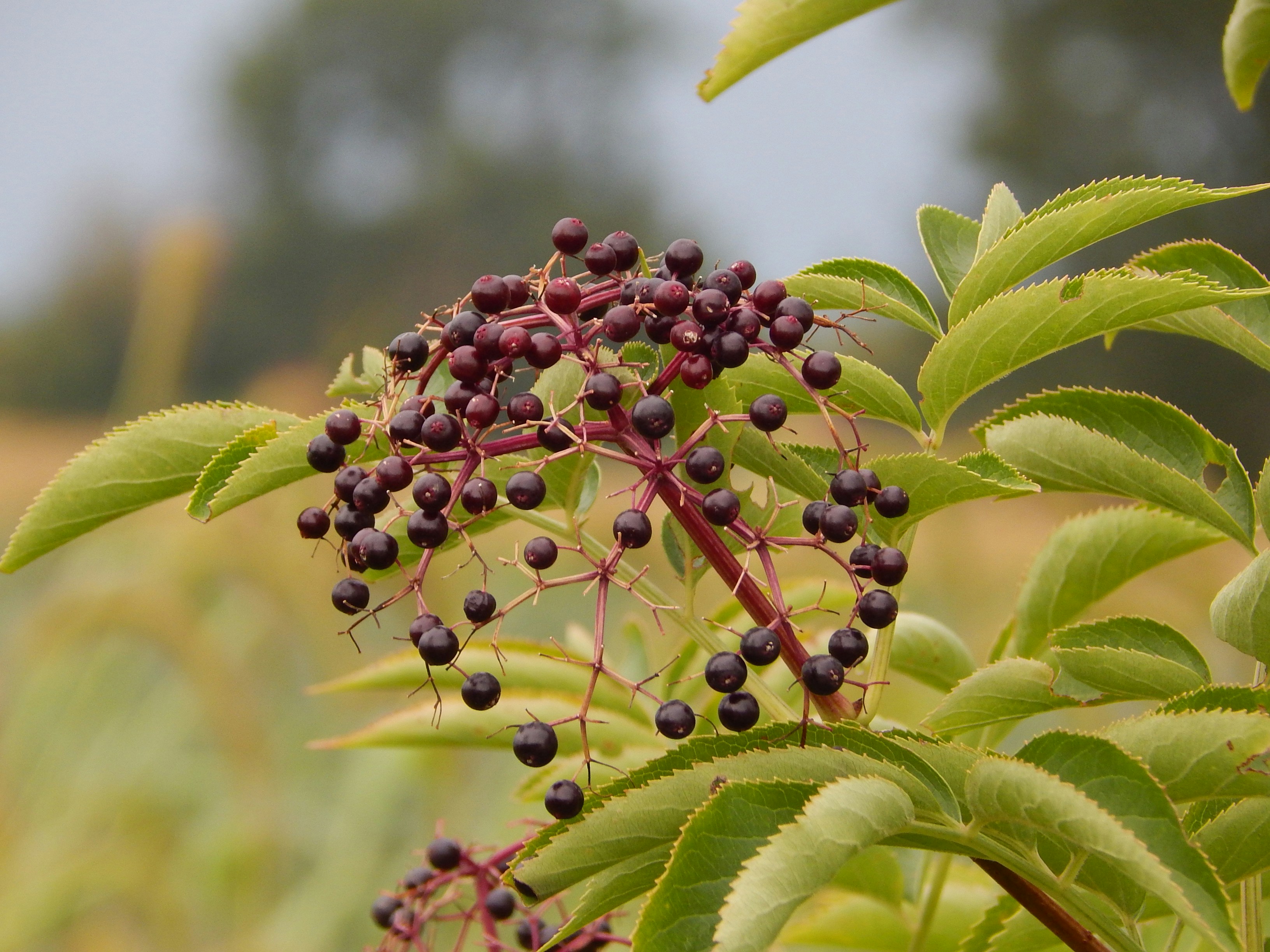
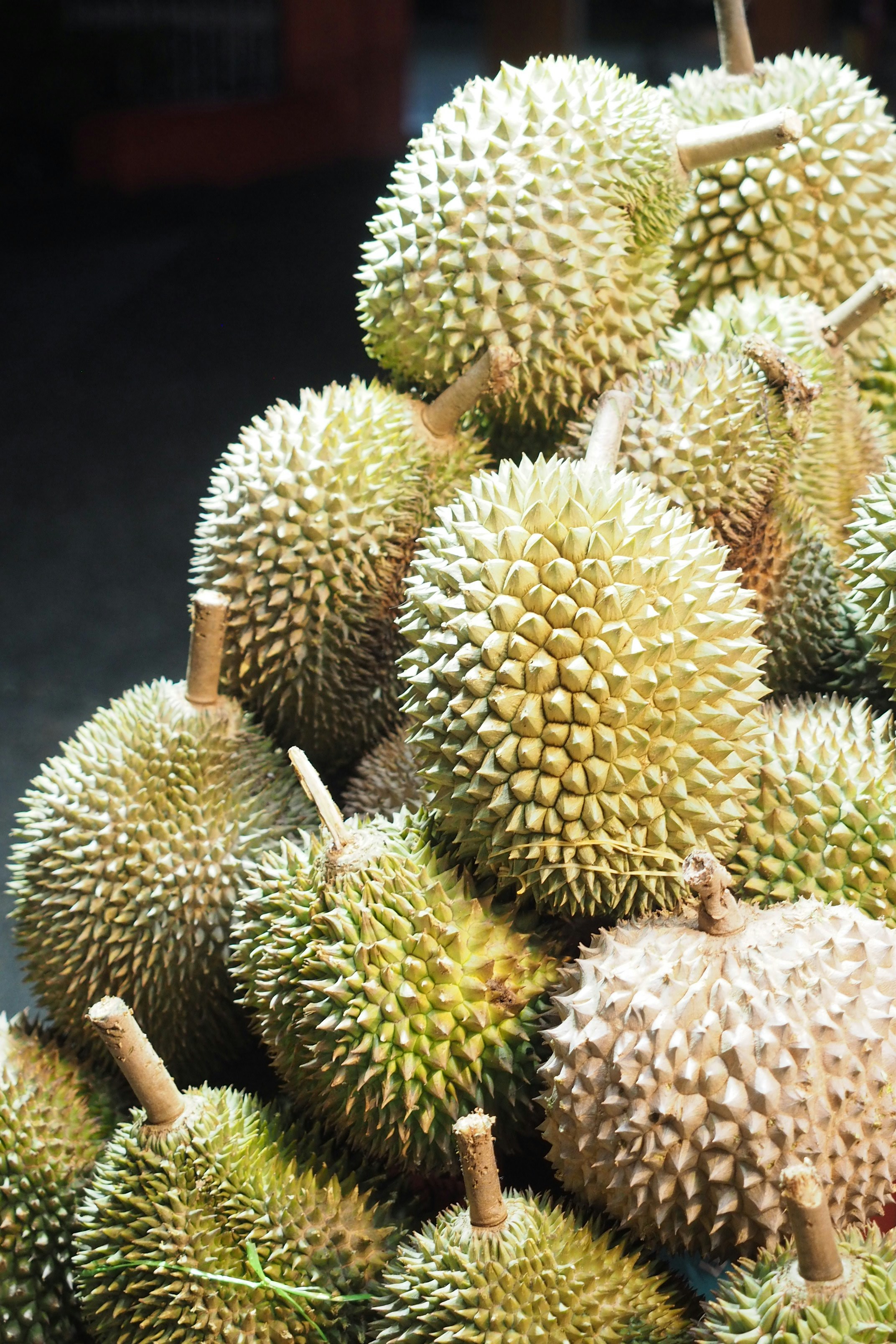
In The Book of Difficult Fruit, Kate Lebo layers her perspective, history, knowledge, and experience to build insightful essays on what makes her alphabetical list of 26 fruits difficult for her and/or the world at large. (Witten in, obviously, far more eloquent prose than my own.) At the end of each chapter, Lebo includes two recipes that serve as a safety net if you’ve always wondered what to do with aronia, elderberry, faceclock, or durian. 

You can’t have a book on difficult fruit without durian.

Mind you, The Book of Difficult Fruit isn’t always a light read. From discussing why she walked out on someone she shared her life with for several years to trying to figure out the reason her grandparents disowned her two aunts — there are some heavy memories associated with these fruits. But through practiced skill, Lebo manages to make these heavy memories accessible by showing you the weight she carries without making it yours.

Admittedly, The Book of Difficult Fruit isn’t a mystery. However, Lebo did solve the conundrum as to why almond extract never set off my nut allergy the way the raw fruit can (generally because almonds are often processed near peanuts). She also discussed the cyanide found in bitter almonds, the dangers of eating rhubarb leaves, the complicated history of gin, and the destructive power of wheat amongst other fascinating topics.

Honestly, I cannot say enough nice things about this book. I would’ve gobbled it down whole if I had not traveled to Colorado for a few days and then misplaced it for a week upon returning home. I would highly recommend these essays revolving around fruit and life to anyone who enjoys reading books about food sprinkled with interesting facts or catching a glimpse of how someone else dealt with life’s difficulties.