Rough on Rats: Obsession, Melville, & the Tea Cup Poisoner

Captain Ahab & The Whale — a bleak tale about a great man who gradually immolating every part of himself on a pyre of obsession until all that remains is ash and a single all-consuming desire for revenge. Beyond laying bare a treacherous side of the human psyche, Melville’s masterpiece, Moby Dick, shows us how a person caught in the grips of a powerful obsession can justify nearly anything — including the sacrifice of a ship and its entire crew (save Ishmael). While I realize scouring the high seas for a giant white leg-eating sperm whale doesn’t occupy most people’s minds the way it did Ahab’s — it’s still a compelling tale…..and a cautionary one as well.

Especially when it concerns children. 

Hyperfocusing on things like space, dinosaurs, books, animals, or other similar subjects is a well-known phenomenon. This intense interest in a single subject gives natural parameters for their exploration of the world while allowing their curiosity to flourish. This zeroed-in interest often dilutes or fades when they hit school — as they’re exposed to all sorts of new ideas, people, and tedium. 

However, sometimes, just sometimes, a kid’s fascination takes a darker turn and doesn’t dissipate like so much smoke in the wind. 
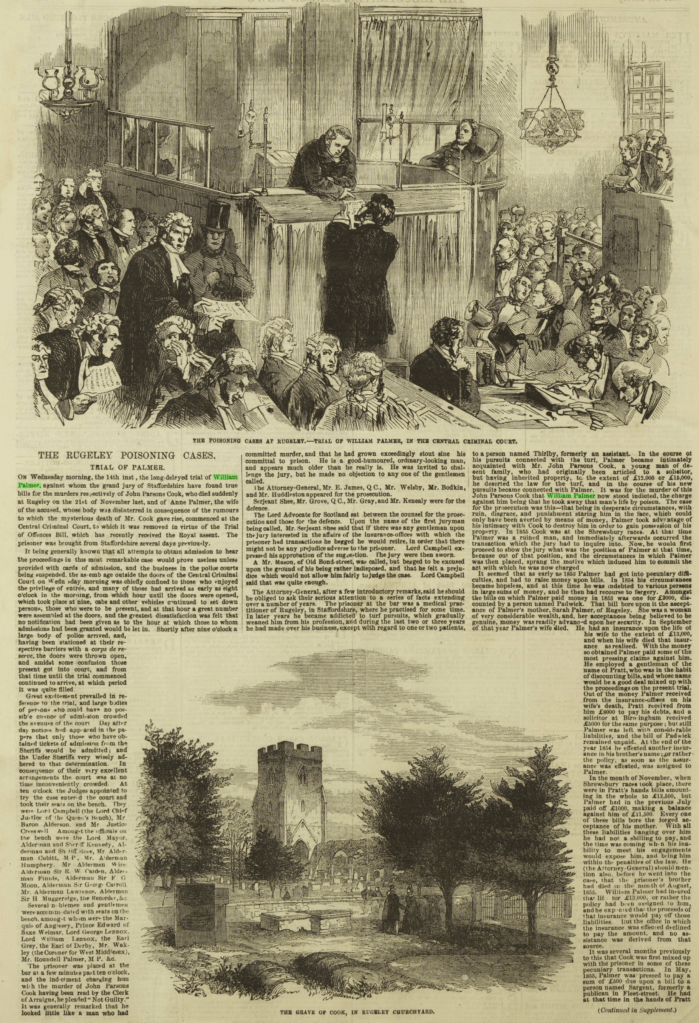
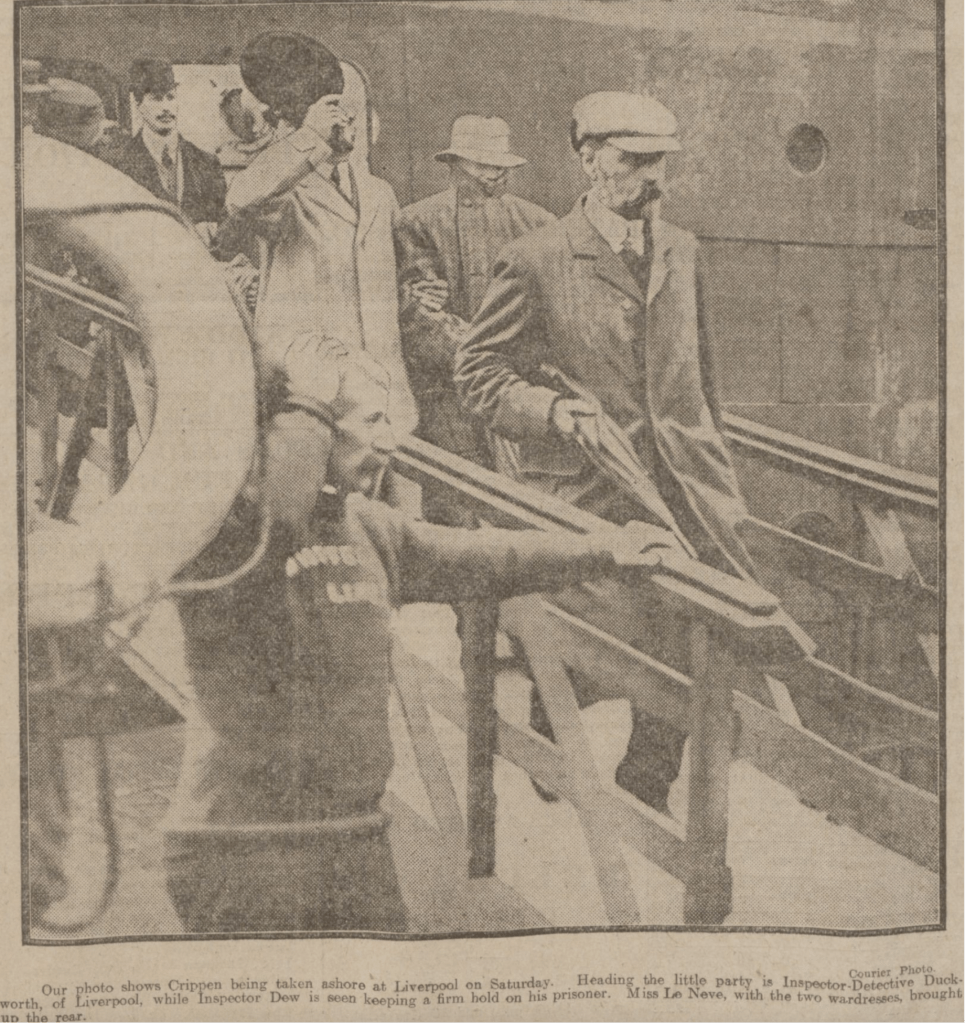
Couple this all-consuming passion with immature moral muscles — you occasionally find yourself facing a kid like Graham Young. Who started wending his way down the pathway of obsession at an early age. It started with reading true crime (no biggie). Then, he became a fanboy of either Dr. Crippen or William Palmer and their poisons. (I’ve read accounts identifying one or the other as Young’s role model. Whichever way it went — labeling either as your idol isn’t exactly great.) Not to mention his enthusiasm for black magic and the Nazis.

Then Young found his calling.

At the age of twelve, Young entered secondary-school and started taking chemistry — which dovetailed nicely with his fascination with toxic metalloids, plants, and elements. At first, he satiated his idée fixe by studying books on advanced toxicology. Then, at the age of thirteen, armed with an extensive knowledge of both subjects — Young hoodwinked a local chemist into selling him antimony, digitalis, arsenic, and thallium.

Whereupon Young moved on to the practical application of poisons. 

At first, Young experimented on a fellow student, but when the boy’s parents pulled him from school, Young moved on….And began conducting his research on his relations. Amongst other appalling familial poisoning episodes: Young sent his sister, Winifred, to the hospital by lacing her tea with belladonna. Next, Young committed what he thought of as a perfect murder by slowly killing his stepmother with thallium. (While Young confessed to Molly Young’s murder nine years later, this claim has never been verified — mainly because, at Young’s suggestion, her remains were cremated.) At Molly’s wake, Young tipped antimony into a jar of mustard pickles, sickening another relative. Finally, Young turned his full attention onto his father, whom he nearly sent to an early grave via antimony poisoning less than a month after murdering his stepmother.

However, Young’s preoccupation with poisons was not unknown.

Aware of the trouble befalling his family and others around him, Young’s science teacher searched his school desk and found several vials of poison and notebooks detailing things like dosages and symptoms. Taking his suspicions to the school’s headmaster, the two devised a trap: They arranged an interview between a careers counselor, who was actually a trained psychiatrist, and Young. During their discourse, the professional headshrinker managed to get Young to reveal his comprehensive and sweeping knowledge of his favorite subjects — poisons and toxicology. Weighing his troubling conversation against the spat of the “illnesses” plaguing those within Young’s sphere — the mental health professional took his misgivings to the authorities……Who saw fit to arrest Young on May 23, 1964, at which point they found his store of thallium and antimony.

In short order, Graham confessed, pleaded guilty, and became one of the youngest inmates in Broadmoor’s history at the age of fourteen. (For Those of You Who Don’t Know: Broadmoor’s the oldest high-security psychiatric hospital in England and second only in fame/infamy to Bethlem Royal Hospital, aka Bedlam.)


This change of address barely slowed Young down. 

Soon after Young arrived at Broadmoor, another patient died after ingesting cyanide, a nurse discovered his coffee laced with toilet cleaner, and a caustic cleaning powder somehow found its way into a communal tea urn. Whilst an obvious suspect, Young was not brought up on charges in any of these incidences — as it’s unclear if he actually committed them. Young only ceased his claims of poisoning people during his incarceration after figuring out that if he feigned being cured of his fascination, he could win his freedom — which he did in 1971 at the age of (around) 24.

Unable or unwilling to eschew his love of bottles bearing a skull and crossbones, it didn’t take long for Young to return to his old ways.

Mere months after his release, Young once again secured an array of toxics — which he didn’t hesitate to dispense. By misrepresenting himself to a prospective employer, Young obtained a job where no one knew of his past offenses, which allowed him to poison with impunity. Before the shadows of suspicion thickened around him, Young administered thallium or antimony to his coworkers en masse via his tea trolly duties, targeting five individuals specifically and killing two others. 

Earning him the moniker: The Tea Cup Poisoner — a nickname Young apparently loathed.

Thankfully, by the summer of 1972, Young was back behind bars — where he’d stay until his death in 1990 at the age of 42. (This is a vastly simplified history of Young’s life and crimes. For a more thorough account of his diabolical deeds, listen to episode #6 of The Poisoner’s Cabinet.)

Whilst the lion’s share of youthful passions don’t end up creating a poisoner, Graham Young demonstrates how many steps beyond the pale an idée fixe can take a kid. But here’s the horrible thing: whilst Young is one of the most infamous killer kids — he’s not the only one who’s journeyed down this treacherous path and left a body count in their wake…..

My 52 Weeks With Christie: A.Miner©2023

Caustic Candy: Copycats of Cordelia Botkin

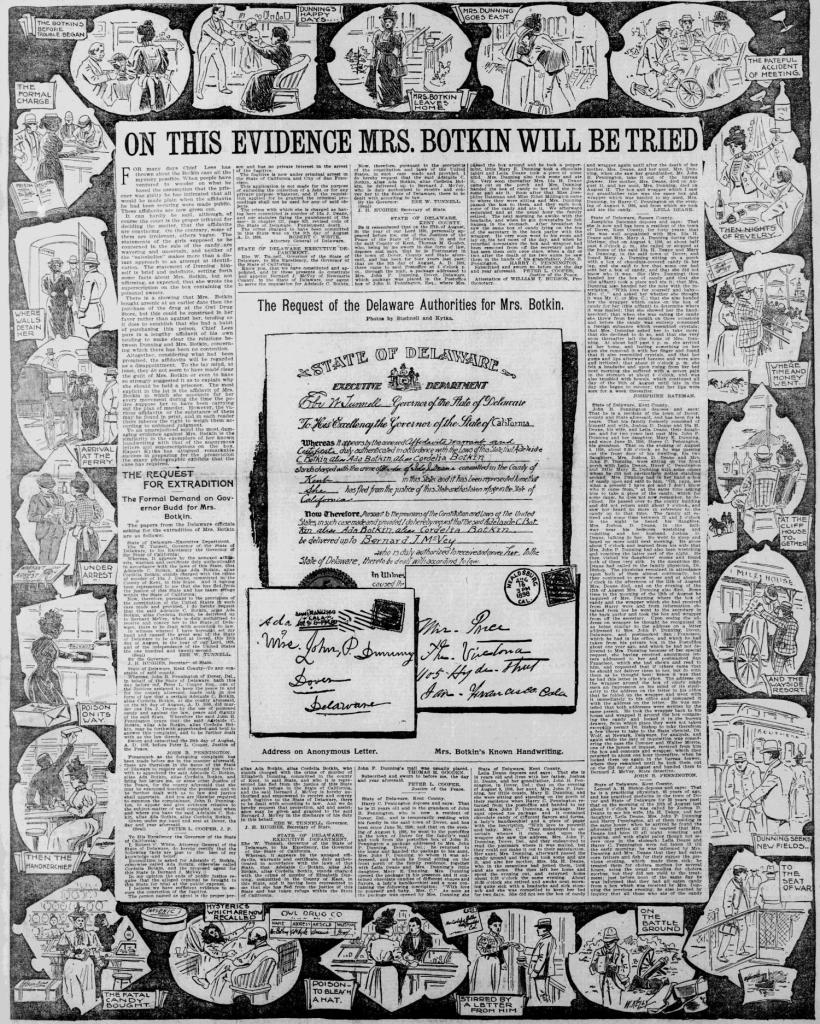
Last week I touched briefly on the true-crime case of Cordelia Botkin. As it happens, she’s the lynchpin in the spat of turn-of-the-century poisoned candy cases in the US, and let me tell you, her case had it all: A talented reporter who fell from grace, an adulterous affair conducted by an older woman with a younger man (which was far more whisper worthy back in 1898), a US Senator, anonymous letters, and a cross country murder plot which paired arsenic tainted chocolates with the postal system to complete the dastardly deed. (If you want a more comprehensive account of Cordelia Botkin’s misdeeds, check out episode #134 of the Poisoner’s Cabinet podcast.) 

Unsurprisingly, newspapers across the country splashed Cordelia’s crimes across their pages for years — and the public lapped up every single word. 

However, as we now know, this highly publicized poisoning case wasn’t exactly good news for law enforcement. Whilst Cordelia was by no means the first poisoner to mail a box of toxic sweets in the hopes of dispatching a rival, a wealthy relative, or the perpetrator of past slights — she was by far the most (in)famous. Convicted twice, first in 1898 and again in 1904 (after winning an appeal for a retrial), forces of law and order knew it was only a matter of time before copycats began creeping out of the woodwork.

They didn’t need to wait long.

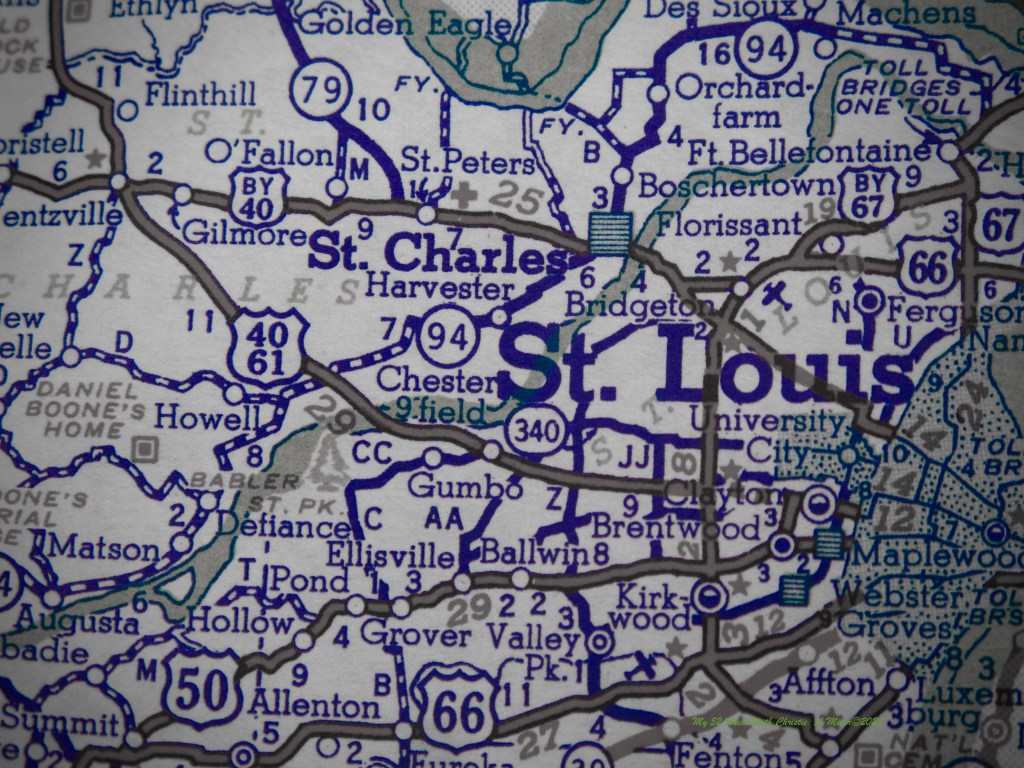
In January of 1899, mere weeks after Cordelia Botkin’s first trial concluded, Florence McVean began suffering from an acute case of nerves. The thirty-five-year-old widow of a prominent doctor, Florence, lived with her mother and younger sister at No. 4015 Cook Avenue in St. Louis, Missouri. After a couple weeks, Florence confided in her sister, Miss McGraw*, the source of her troubles: Poison Pen Letters. Being a good sister, Miss McGraw began intercepting the caustic communiques before her sister could see them, helping restore some of Francis’s peace of mind. 

Fast forward a few more weeks, to around February 7, 1899 (the newspapers weren’t clear on the exact date), when an anonymous box of bonbons arrived at the house without a note and addressed to Florence. 

Instantly suspicious of the unrequested sweets, Miss McGraw took both the box of chocolates and the stack of malicious missives to Police Chief Campbell and told her sister’s tale. During said recitation, she aimed authorities at one Miss Zoe Graham — to whom Miss McGraw, Florence, and their mother firmly believed was the author of all. The question was, why? Why would the twenty-two-year-old daughter of a prominent St. Louis plumbing contractor stoop to such crimes and misdemeanors? The answer, of course (sigh), was a man. Doctor Glasgow, a well-respected physician & eligible bachelor, had been calling on both Zoe and Florence.

Obviously, Zoe wanted to keep Florence from nabbing the catch of the county.

Knowing from which side his bread was buttered, Sheriff Campbell wisely chose to test the candy prior to tackling the well-to-do Graham family. Submitting the box of chocolates to the City Chemist for testing, the Sheriff quickly learned that each chocolate had been rolled in a powder containing arsenic, imbuing each piece with lethal levels of the metalloid. 

Now possessing definite proof of murderous intent, Chief Campbell began looking into the finer points of Miss McGraw’s story. Which inevitably brought him to Doctor Frank A. Glasgow’s doorstep, whereupon, the distinguished young doctor informed him of a massive flaw in Miss McGraw’s theory: His interest in Florence was purely professional. He’d only looked in on Mrs. McVean to treat her for one malady or another — simple as that. Doctor Glasgow further complicated and confused proceedings by producing a sheaf of Poison Pen Letters, which he’d received over the course of a few weeks, all of which warned him to stay away from Florence — as she had “designs” on him.

Taking possession of the second set of noxious notes, determined to compare them to the first, Chief Campbell turned his eyes slowly toward his prime suspect. However, in a surprising twist of fate, the Chief didn’t need to bother pussyfooting around Zoe Graham and her parents. As both she and her mother showed up, unannounced and madder than a pair of wet hens, at the police station to see him. Evidently, Florence and her female relations had been broadcasting hither, thither, and yon to anyone and everyone (including several veiled references printed in multiple newspapers across the region) their suspicions about Zoe. The indignant Mrs. Graham wanted to press charges against Florence for dragging her innocent daughter into the whole affair and their insistence on throwing mud at Zoe’s good name. Whilst the Prosecuting Attorney refused to issue a warrant for Florence’s arrest, Miss & Mrs. Graham’s visit provided Sheriff Campbell with another critical clue — the younger woman’s alibi, which, according to his subsequent investigation and statements on the subject, was cast iron.

This development might’ve thrown a spanner into investigation had Sheriff Campbell’s detectives not run down the source of the tainted bonbons. Enter Miss Henley of the Busy Bee Candy Store: Who could not only describe the woman who purchased the box of sweet treats, she could put a name to the face — as she’d kept the mystery woman’s calling card so the store could ship her her purchase. Though Miss Henley’s true coup de grace was her positive identification of the chocolate’s purchaser……

A one Mrs. Florence McVean!

Rolling with this unforeseen twist, Chief Campbell returned to Doctor Glasgow’s doormat and asked if he had any correspondence, notes, or even a grocery list in Florence’s hand. The only scrap the good doctor could share with authorities was an envelope Florence had addressed to him. Upon comparing the exemplar to the handwritten noxious notes, the handwriting appeared similar but wasn’t a conclusive match. Seems the letter writer had taken steps to disguise themselves. Of the countermeasures employed, all are classics: writing in all capital letters, failing to sign the missive itself, and using commonly available stationary (in this case, cheap ruled paper). Piling onto this circumstantial evidence were the postmarks stamped onto the envelopes. Apparently, every postmark indicated the letters were mailed from a postal territory only a stone’s throw away from Florence’s home.

Thoroughly convinced Florence was the architect of her own misery Sheriff Campbell immediately dropped his investigation and turned the case over to the Federal Authorities. (They didn’t say which branch, but I’m reasonably certain it was the US Postal Inspection Service.) Who, in turn, dropped the case as well due to the lack of direct evidence linking Florence to the Poison Pen Letters or the Chocolates. Sheriff Campbell also, to reassure the public there wasn’t a mad poisoner stalking the citizens of St. Louis, presented his findings to the press — who were more than willing to take the story and run.

After the story broke, Florence went into hiding for a few days, leaving her mother and sister Mary to defend her in her absence. When she returned, Florence vehemently denied the allegations against her. Contending to anyone willing to listen, she’d not set foot in downtown St. Louis, where the Busy Bee Candy Shop was located, for several months. Secondly, Florence claimed that poison pen letters continued to arrive in the mail. And why on earth would she continue to write them if authorities didn’t believe her? Miss Mary McGraw corroborated both claims….to no avail. Neither the papers, police, nor the populace of St. Louis were swallowing Florence’s defense.

Then came the night of March 14, 1899.

*(I’ve read no less than four wildly different variations of Florence’s sister’s name in the newspaper articles I referenced for these posts — I’m sticking with Miss McGraw as it was the most legible of the lot.)

My 52 Weeks With Christie: A.Miner©2023
Caustic Candy: How NutraSweet Got Me Into Hot Water

Back in 1984, NutraSweet introduced themselves to the world via a gumball campaign, where the company sent out a handful of spherical sweets to prove to the public it “tasted just as good as sugar”. Knowing they couldn’t send out the chewing gum and expect people to eat it — they preceded the mass mailing with an ad campaign letting everyone know what their mailers and gumballs looked like. Catching a couple of the commercials, I shrugged and returned to reading my Nancy Drews.

We never got anything that interesting in the mail.

Fast forward a few weeks to the day I opened our mailbox and spotted a familiar envelope lying inside — my heart skipped a beat. Lacking the means to buy candy on my own, as I was still in grade school at the time, I tore that envelope open in two shakes of a lamb’s tail. Popping the bright red gumball in my mouth, I began happily chewing away. Since checking the mail doesn’t generally include snacks, my mom immediately spotted my repetitive mastication when I walked back into the house and handed her the stack of correspondence. After a brief inquisition, in which my television defense was found wanting, the remaining gumballs were confiscated, and the piece I was happily snapping was consigned to the trash………….and my mom was MAD. 

Yes, capital letters are necessary.

As a kid, I thought her reaction was blown way out of proportion. The tv commercial showed the envelope, the envelope we received was a match, and the sleeve of gumballs was unopened (I did possess some common sense) — so what’s the big deal? And let me tell you, that’s the exact wrong thing to say under your breath around an already irate mom. (I swear that woman possesses the hearing of a bat.) It wasn’t until recently, when I started reading and writing about true crime, that I finally understood the root of my mom’s eruption of MAD.

In point of fact, my mom wasn’t mad — she was scared.

What sparked her poorly expressed fear? Less than two years before the artificial sweetener’s spectacular introduction to American consumers, seven people died in Chicago via cyanide polluted pain pills. The first victim in the 1982 Chicago Tylenol Murders, which remain unsolved to this day, was only a couple of years older than myself when those gumballs landed in our letterbox. My mom, an avid mystery and true-crime reader (proving I come by my reading inclinations naturally), followed the case and knew of the rash of copycat killings it inspired — hence her fright at finding me chewing gum of “uncertain” origins. (BTW — I called her up and apologized a couple weeks ago for this long ago eye rolling transgression — she laughed and accepted it.)

Now what exactly does this have to do with the price of shortbread in Scotland?

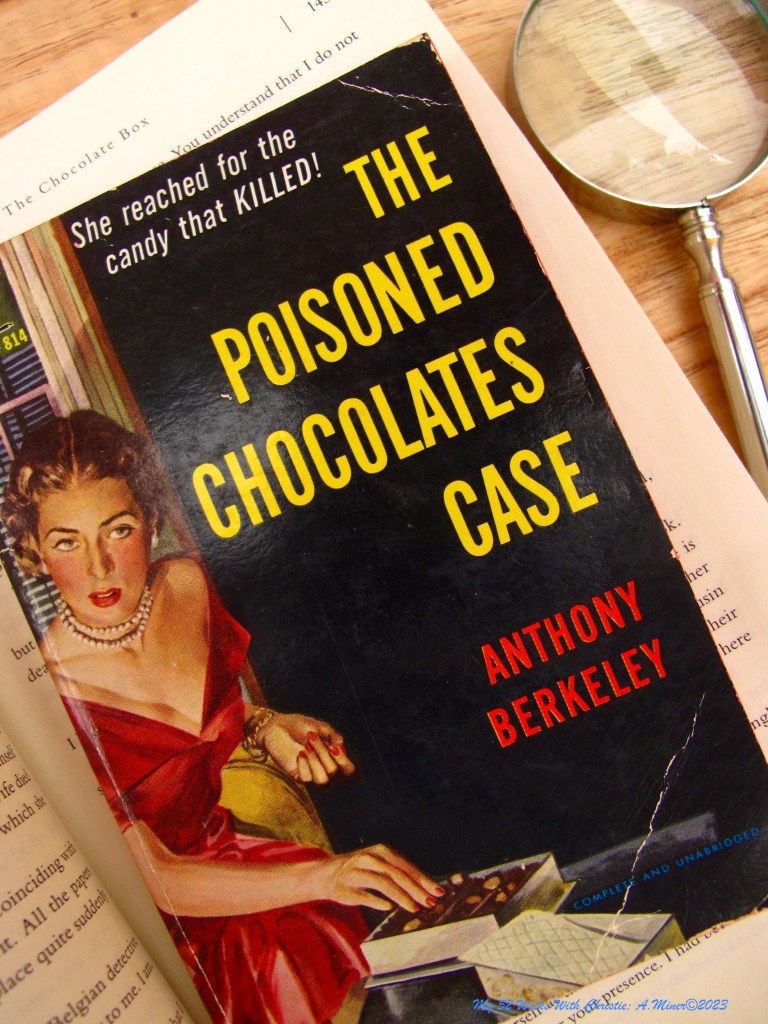
Over the past few months, I’ve unconsciously gravitated towards books that, in one way or another, feature chocolates and mail. Sometimes together, sometimes separate, these two elements kept creeping into the narrative…..A box of chocolates laced with cocaine appears in Peril At End House (1932). In the short story The Chocolate Box (1923), Poirot figures out the murder weapon was a singe trinitrine (aka nitroglycerine) stuffed chocolate. Author Anthony Berkley injected nitrobenzene into the soft centers of an entire box of chocolates, sent thru the mail to an unwitting puppet, to complete the deed in The Poisoned Chocolate Case (1929). 

Following the heels of Berkley’s aforementioned mystery, I listened to Poisoner’s Cabinet’s (a brilliant podcast) take on the case of Christiana Edmunds (year of crimes: 1870 -1871). The Chocolate Cream Killer, as Christiana was later known, laced her favorite chocolate coated confections with strychnine, then left bags of the contaminated sweets all over Brighton in the hopes someone would eat a piece of uncredited candy and sicken. Thereby convincing her crush that the candy maker was responsible for poisoning his wife and not her (it was definitely Christiana, btw). Later in her career as an adulterationist, Christiana sent anonymous boxes of sweets, chalked full of her preferred poison, to prominent citizens of the same city.

(This last feature of Christiana’s crimes, of course, brought Angele Laval and her infamous letter writing campaign to mind. Thank the gods above and below that Umberto Eco’s book, The Name of the Rose, wouldn’t be published for another sixty-three years — otherwise, it might have inspired her to post literally poisonous, poison pen letters….But I digress.)

Hot on Christiana’s heels, though not actually, as there are several episodes betwixt the two explorations, I re-listened the Poisoner’s Cabinet’s alcohol tinged study of Cordelia Botkin (year of crime: 1898). Who first tried to dissuade her love rival with an anonymous note. When that foray fell flat, Cordelia sent her a box of chocolates overflowing with arsenic to permanently deal with her opponent.

Talking with my husband about these cases, I idly wondered: What on earth possessed people to eat candy they neither ordered nor expected to receive in the mail? Didn’t they see the danger? Indeed common sense and penny dreadfuls would warn people away from such behavior….That’s when I recalled the whole gumball debacle of my childhood, which made me curious. Since mysteries often reflect reality, and all the fictional crimes I listed above came well after my true-crime exemplars….How often (really) did candy get turned into a weapon before 1923?

Turns out a lot, and I will explore three true-crime cases linked by candy, poison, the postal service, and love-rivals over the next few weeks.

My 52 Weeks With Christie: A.Miner©2023

Cocktails With Christie!

Inspiration: The Poisoner’s Cabinet

You need to give the Poisoner’s Cabinet podcast a listen! It is absolutely splendid. Pairing classic, obscure, and occasionally original cocktails with vintage crimes from around the world. (The most recent crime they’ve covered on the main episodes so far was in the eighties….Which is a disturbing number of decades in the past.) 

I absolutely love our irreverent hosts Sinead and Nick. When telling the tales of poison, murder, and mayhem, they don’t celebrate the perpetrators, they empathize with the victims and point out the failings or successes of the police, doctors, vicars, and others around these crimes. 

Now a word of warning, the first season focuses exclusively on classic poisoning cases, which with the built-in framework of the episodes, does get a bit samey sounding. However, starting in season two, while giving poisonings pride of place when covered — they branch out to historically macabre, odd or mysterious murders.

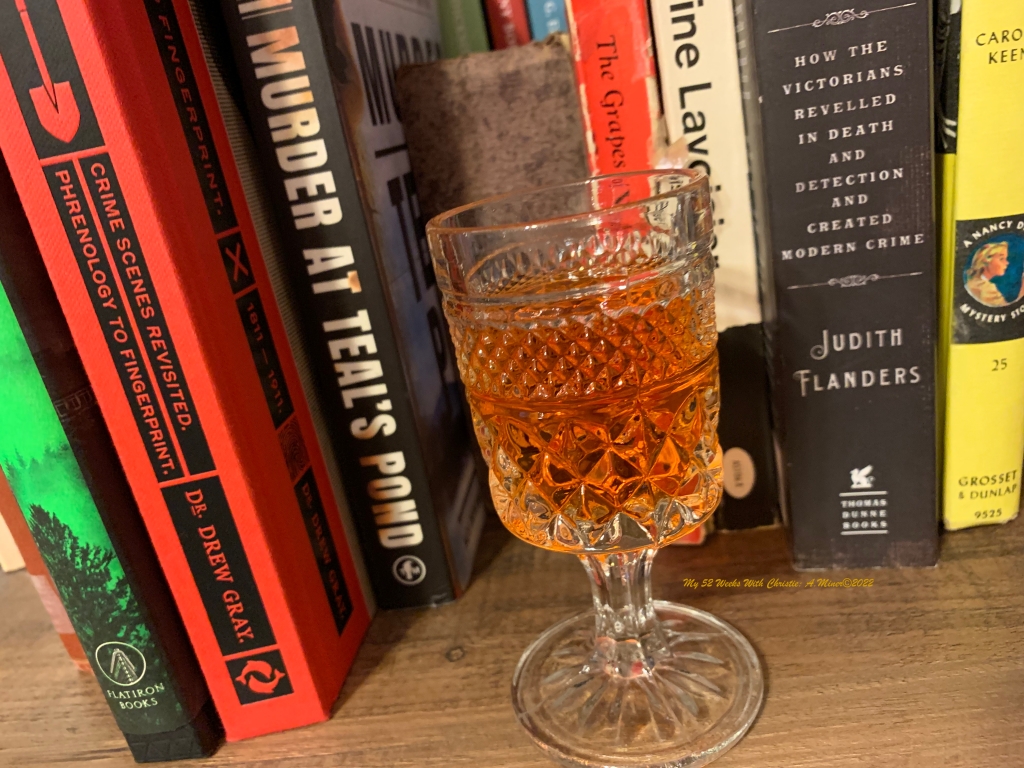
In any case, both Sinead and Nick often have pre-cocktail cocktails before starting to record their podcast and one of their favorites is a Negroni. 

Negroni Recipe: 1 oz. Campari

                            1 oz. Gin

                            1 oz. sweet vermouth 

                            Stir together and enjoy!

So my husband and I decided to try it out.

On the first sip, my tastebuds asked me why I suddenly hated them, as the drink was seriously bitter. (My usual cocktail is two ounces of peach vodka, an ounce of raspberry liquor, six splashes of peach bitters, and a dash of Luster a non-alcoholic alcohol, all of which I top off with lemonade. Not overly sweet, but by comparison is practically a syrup.)

But we’re not quitters.

Running around our local co-op a couple of weeks later, we came across a box of premixed cocktails, which has helped us overcome the bitterness hurdle! And we now mixed Negroni cocktails with impunity!

Christie: Honestly, I can see Mr. Harley Quin sipping a drink like this since love can be both bitter and sweet.

Cooking With Christie!

This Week’s Recipe: Cranberry Stuff

Not only did I want to temper the sweetness of a jammy thumbprint cookie, which I posted about last week, I’d a hankering for a Turkey Grinder Sandwich. Critical for the taste sensation that is this sandwich you need a cranberry sauce. Not particularly enamored with the canned stuff, I made up my own recipe — an easy one-pot wonder!

Here it is!

12 oz. of fresh cranberries
1 tsp. of vanilla extract or the insides of 1 vanilla bean
3 Tsp. of Curacao
1/2 tsp. black pepper
1/2 c. brown sugar
2 Tsp. fresh lemon juice
zest of 2 to 3 lemons (depending on their size)
2 tsp. of ginger (fresh or frozen crushed cubes)
1/2 c. of water

Chuck it all into a pot over medium heat and using a spoon you don’t mind might turn purple stir to combine the ingredients. Stir occasionally until you hear the cranberries start popping on their own. Then stir steadily to keep the concoction from burning to the bottom of the pot. Let it boil for five minutes or so until it reaches the desired thickness. (Keep in mind it will thicken up a bit more as it cools.) If you want a less lumpy preserve, as it’s boiling, take a potato masher and squish the cranberries.

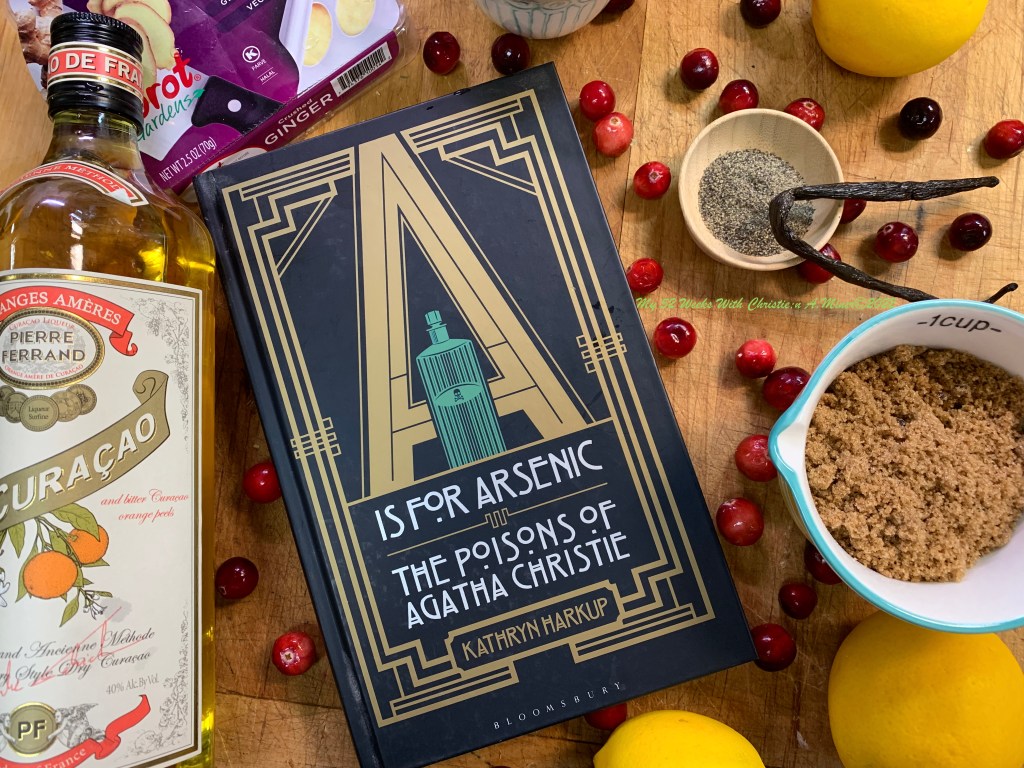
Christie: I think Miss Marple would love to slather a bit of this sauce on a nice bit of turkey or chicken for something a bit different! Though I must admit,I used A is for Arsenic in the photo, rather than a book penned by the great lady herself, because whilst I was writing down this recipe I was listening to the Poisoner’s Cabinet podcast and couldn’t resist combine them with Christie and cooking!